Grasses
poaceae
Grasses are tall green plants that grow in fields and parks. They provide homes for many tiny creatures and are fun to run and play on!
Hábitat: Grasses can be found in fields, meadows, and near roadsides.
The Grasses have slender, jointed stems called culms, typically topped with a feathery or spiky inflorescence. Their long, narrow leaves often grow in sheaths around the stem. They mostly appear in shades of green, forming dense carpets or isolated clumps.
Categoría
PlantasRareza
Common
Peligro
0/5 · Sin peligro conocido
Snaps
¡Sé la primera persona en hacer un snap!
Bamboo is a giant grass, and it's one of the fastest-growing plants in the world!
Grasslands cover about one-quarter of Earth's land, making them huge habitats!
Many of our favorite foods, like wheat, rice, and corn, are actually grass seeds!
The tiny flowers of grass don't need bright colors because wind does their pollinating!
Grasses can spread widely using underground rhizomes or above-ground stolons, helping them colonize large areas and stabilize soil.
Grasses have silica crystals in their leaves, making them tough to chew and helping to deter many hungry herbivores.
Grasses can regrow quickly from their base after being cut or grazed, allowing them to survive constant munching.

Bos taurus
Graze on large quantities for energy.
Microtus pennsylvanicus
Builds tunnels and nests within dense growth.
Puccinia graminis
Causes disease, weakening grass plants.
Los animales sociales viven en grupos organizados, cooperando para obtener beneficios de supervivencia como la búsqueda de alimento, la defensa y la cría de descendencia.
Colorido describe a organismos u objetos que exhiben una amplia variedad de colores brillantes y distintivos.
Este rasgo caracteriza a los organismos cuya dieta consiste total o principalmente en material vegetal.
Los hábitats de pastizales son biomas terrestres dominados por pastos y plantas herbáceas, que sustentan a una variedad de animales de pastoreo.

Los animales diurnos están activos principalmente durante el día y suelen descansar o dormir por la noche.
Peligro
0/5 · Sin peligro conocido
Todavía no hay notas especiales de seguridad.
5-4000 cm
5-100 cm
0.1-1 cm
Spring-summer
Sí
Ninguna
Perenne
Viento
Acércate para separar los grupos y explorar dónde se ha fotografiado este objeto.
Los snaps recientes aparecerán aquí a medida que se añadan nuevas observaciones.
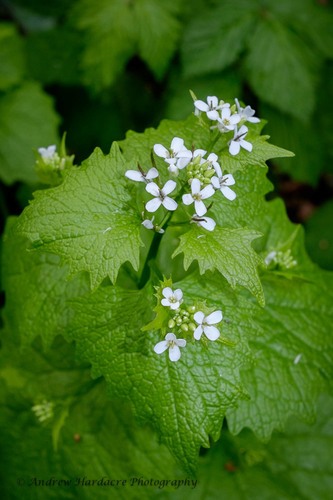
Virginia, US
Puedes ver Garlic Mustard, Violetas y Wineberry.
Ver guía →
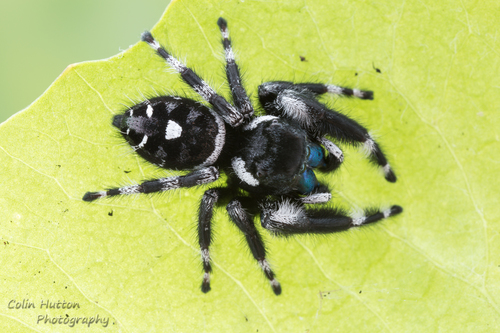
California, US
Puedes ver Bold Jumping Spider, Marbled Cellar Spider y Black Phoebe.
Ver guía →
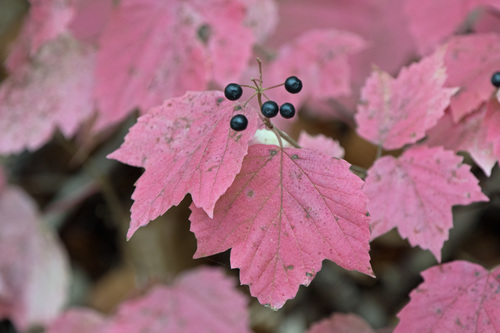
Virginia, US
Puedes ver Mapleleaf Viburnum, Japanese Holly y Common Bonnet.
Ver guía →
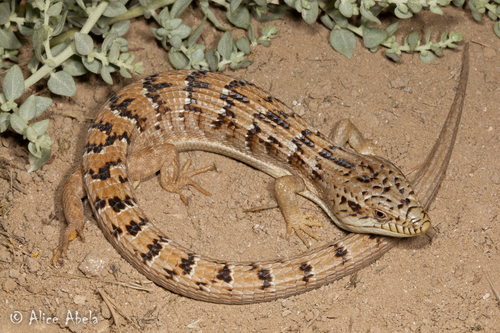
California, US
Puedes ver Southern Alligator Lizard, Grasses y Catchweed Bedstraw.
Ver guía →
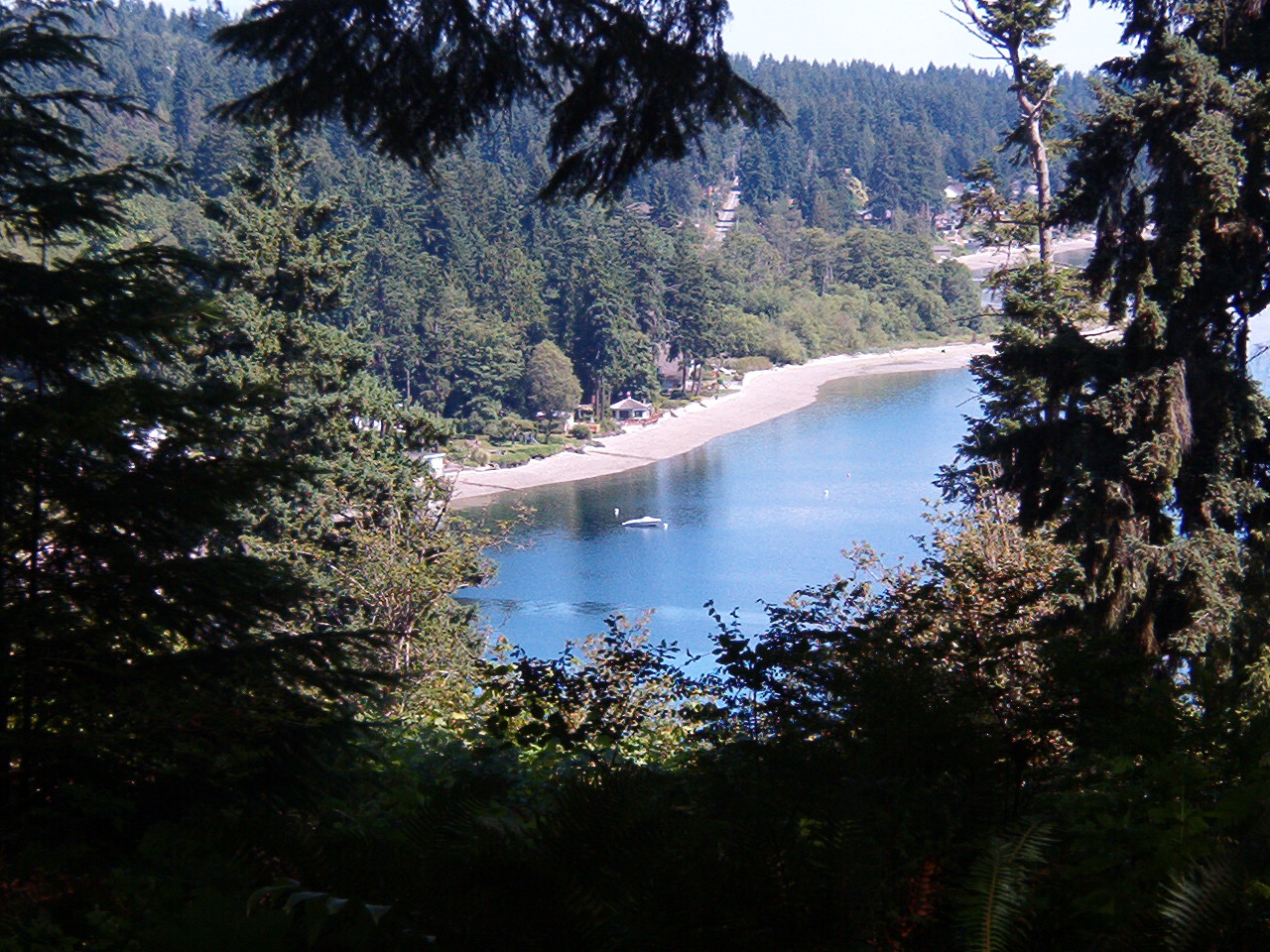
Washington, US
Puedes ver Surf Scoter, Horned Grebe y Salmonberry.
Ver guía →
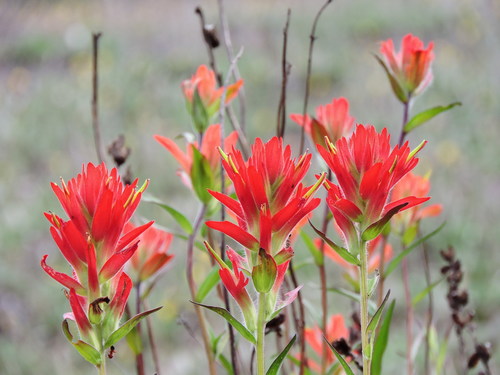
British Columbia, CA
Puedes ver Giant Red Paintbrush, Lupines y Broadleaf Arnica.
Ver guía →




.jpg&width=800)