






Gray Bird Grasshopper
Schistocerca nitens
The Gray Bird Grasshopper is a fun little insect that loves to hop around in the grass. It has a gray color that helps it blend in with its surroundings, making it a great little jumper!
Hábitat: Grasslands
The Gray Bird Grasshopper is a large insect, typically gray-brown or greenish-brown, often with darker markings on its body. It has very long, powerful hind legs for jumping and prominent wings that extend well beyond its abdomen, making it a strong flyer.
Categoría
InsectosRareza
Common
Peligro
1/5 · Muy bajo
Snaps
¡Sé la primera persona en hacer un snap!
A grasshopper's ears are actually on its belly, near where its legs connect!
Instead of a nose, grasshoppers use their antennae to smell and feel their way around!
Some female grasshoppers lay hundreds of eggs underground in a foamy protective pod!
They can shed their outer skin, called an exoskeleton, several times as they grow!
Gray Bird Grasshopper can jump incredibly far because of its strong hind legs that help them escape danger quickly.
Gray Bird Grasshopper has large wings that helps them fly long distances to find new food sources or escape predators.
Gray Bird Grasshopper can blend in with its surroundings because of its earthy colors that help them hide from hungry birds.
Gray Bird Grasshopper has special structures on its wings and legs that help them rub together to make unique chirping sounds.
These plant-eating insects munch on various grasses, leaves, and desert shrubs.
Buteo jamaicensis
a common prey item for many raptors.
Aspidoscelis tigris
a common snack for desert lizards.

Larrea tridentata
chows down on leaves of desert plants.
Bouteloua gracilis
grazes on various types of desert grasses.
Los animales solitarios viven solos durante la mayor parte de su vida y solo interactúan con otros para aparearse o cuidar de sus crías.
Los animales cantores producen vocalizaciones complejas, a menudo con el propósito de atraer parejas, defender el territorio o comunicarse dentro de su especie.
El camuflaje describe a los organismos que poseen colores o patrones que les permiten mezclarse con su entorno.
Este rasgo caracteriza a los organismos cuya dieta consiste total o principalmente en material vegetal.

Los hábitats de pastizales son biomas terrestres dominados por pastos y plantas herbáceas, que sustentan a una variedad de animales de pastoreo.

Los animales diurnos están activos principalmente durante el día y suelen descansar o dormir por la noche.

Este rasgo identifica a los organismos que exhiben una rapidez excepcional en sus movimientos para cazar, escapar o desplazarse.

Describe organismos que transfieren polen, permitiendo la fertilización y reproducción de las plantas.
Todavía no hay alias listados.
Peligro
1/5 · Muy bajo
Grasshoppers are safe to watch, but be gentle if you try to catch one.
90-150 mm
45-80 mm
60-120 días
15 km/h
These plant-eating insects munch on various grasses, leaves, and desert shrubs.
Grasslands
Foraging
6
Acércate para separar los grupos y explorar dónde se ha fotografiado este objeto.
Los snaps recientes aparecerán aquí a medida que se añadan nuevas observaciones.
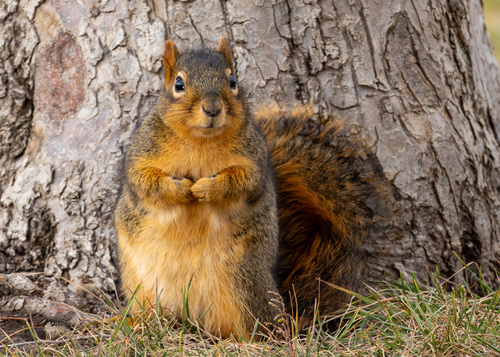
California, US
Puedes ver Eastern Fox Squirrel, Cuervo Común y Paloma Huilota.
Ver guía →
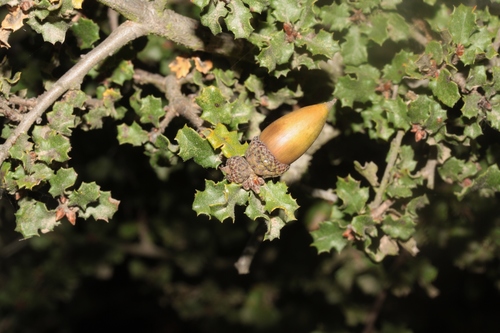
California, US
Puedes ver Nuttall's Scrub Oak, Pinzón Mexicano y Western Blue-Eyed Grass.
Ver guía →

Arizona, US
Puedes ver Desert Cottontail, Yellow-Rumped Warbler y Black Phoebe.
Ver guía →











