Gray Comma
Polygonia progne
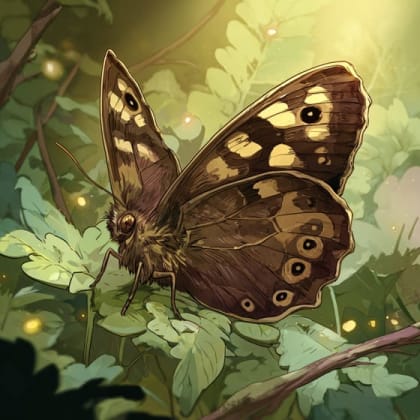
The Gray Comma is a beautiful butterfly with unique shapes on its wings. It loves to flutter around in sunny spots and can often be seen resting on tree bark.
Hábitat: Forests
The Gray Comma has jagged, angular wings with a mottled gray-brown underside that perfectly mimics dead leaves or tree bark. Its upper side is a rich tawny orange with dark spots. A small, distinctive white comma-shaped mark is found on the underside of each hindwing.
Categoría
InsectosRareza
Common
Peligro
1/5 · Muy bajo
Snaps
¡Sé la primera persona en hacer un snap!
Its spiky caterpillars are often called 'spiny elm caterpillars' due to their favorite food!
Some butterflies only live for days, but the Gray Comma can survive for many months!
Unlike many butterflies, adults prefer sipping tree sap and rotting fruit over flower nectar!
When startled, a Gray Comma might suddenly open its wings to reveal bright orange flashes!
Gray Comma can hibernate through freezing winters as an adult butterfly, helping them survive harsh conditions.
Gray Comma has a mottled brown underside that helps them disappear against tree bark or dead leaves when resting.
Gray Comma has irregularly shaped wing edges that help break up its outline, making it look less like an insect.
Gray Comma can unfurl its long proboscis to sip nutritious tree sap, providing energy for flight and survival.
Adults enjoy tree sap and rotting fruit, while caterpillars munch on leaves.
Diferencias por edad: Caterpillars feed on leaves of various trees and plants, but adults primarily seek out tree sap, rotting fruit, and occasionally nectar.
Ulmus americana
Caterpillars feed on its leaves.
Urtica dioica
Larvae feed on the plant's foliage.
Acer rubrum
Adults sip nutritious sap from its wounds.
Poecile atricapillus
Birds prey on its caterpillar stage.
Solidago canadensis
Adults occasionally visit its flowers.
Los animales solitarios viven solos durante la mayor parte de su vida y solo interactúan con otros para aparearse o cuidar de sus crías.
El camuflaje describe a los organismos que poseen colores o patrones que les permiten mezclarse con su entorno.
Colorido describe a organismos u objetos que exhiben una amplia variedad de colores brillantes y distintivos.
Este rasgo caracteriza a los organismos cuya dieta consiste total o principalmente en material vegetal.

Los hábitats boscosos son entornos terrestres dominados por una densa cubierta arbórea, que sustentan una gran diversidad de vida animal y vegetal.

Los animales hibernantes entran en un estado de depresión metabólica durante períodos de frío o escasez de alimentos, caracterizado por una reducción de la temperatura corporal y la actividad.

Los animales diurnos están activos principalmente durante el día y suelen descansar o dormir por la noche.

Los animales migratorios emprenden movimientos estacionales de una región a otra, típicamente en respuesta a cambios en el clima o la disponibilidad de alimentos.

Describe organismos que transfieren polen, permitiendo la fertilización y reproducción de las plantas.

El estado de peligro de extinción indica que una especie corre un riesgo muy alto de extinguirse en estado silvestre en un futuro próximo.
Todavía no hay alias listados.
Peligro
1/5 · Muy bajo
Don't touch butterflies; just enjoy watching them fly!
40-55 mm
18-25 mm
240-270 días
Adults enjoy tree sap and rotting fruit, while caterpillars munch on leaves.
Forests
Foraging
6
Acércate para separar los grupos y explorar dónde se ha fotografiado este objeto.
Los snaps recientes aparecerán aquí a medida que se añadan nuevas observaciones.