






Great Egret
Ardea alba
The Great Egret is a tall, graceful bird with long legs and a beautiful white body. It loves to stand still by the water, waiting to catch fish with its sharp beak.
Hábitat: Wetlands
The Great Egret is a large bird with stunning pure white plumage, an elegant S-curved neck, and long, slender black legs. It has a distinctive yellowish-orange bill that turns brighter during breeding season. Its striking all-white body sets it apart from other wading birds.
Categoría
AvesRareza
Common
Peligro
1/5 · Muy bajo
Snaps
¡Sé la primera persona en hacer un snap!
An egret's extra-long toes spread out to help them walk on squishy mud without sinking! Wow!
During breeding season, the male egret's bill turns an amazing orange-red color!
Their dazzling white feathers were once so popular for hats, they were hunted almost to extinction!
They often stand completely still, waiting patiently for prey to swim close before striking!
Great Egret can extend its S-curved neck with incredible speed to spear fish, helping them catch quick, elusive prey.
Great Egret has long, stilt-like legs that help them wade into deep water without getting wet, allowing access to hidden food.
Great Egret has special 'powder down' feathers that continuously crumble, helping them clean sticky fish slime from their plumage.
The Great Egret mostly eats small fish, but also enjoys other tasty treats found in the water.
Alligator mississippiensis
Alligators prey on egret eggs and chicks.
Procyon lotor
Raccoons often raid egret nests for eggs and young.
Gambusia affinis
A common small fish prey in their wetland habitats.
Lithobates pipiens
Egrets hunt these frogs in shallow waters.
Taxodium distichum
Often nests in colonies within these large trees.
Describe a los animales, principalmente aves, que poseen una cubierta de plumas.
Los animales solitarios viven solos durante la mayor parte de su vida y solo interactúan con otros para aparearse o cuidar de sus crías.
Los organismos piscívoros son animales que subsisten principalmente de una dieta a base de peces.
Un depredador de emboscada caza esperando pacientemente y ocultándose, para luego lanzar un ataque repentino cuando una presa desprevenida se pone a su alcance.

Este rasgo de hábitat identifica especies que se encuentran en humedales, que son áreas de tierra saturadas de agua, ya sea permanente o estacionalmente, e incluyen marismas, pantanos y ciénagas.

Este rasgo identifica a los organismos cuya dieta consiste total o principalmente en tejido animal.

Los animales diurnos están activos principalmente durante el día y suelen descansar o dormir por la noche.

Describe una especie cuya presencia y papel tienen un efecto desproporcionadamente grande en su entorno.

Los animales migratorios emprenden movimientos estacionales de una región a otra, típicamente en respuesta a cambios en el clima o la disponibilidad de alimentos.
Peligro
1/5 · Muy bajo
Always watch birds from a distance and don't try to touch them.
80-104 cm
131-170 cm
0.7-1.5 kg
15-24 años
35 km/h
The Great Egret mostly eats small fish, but also enjoys other tasty treats found in the water.
Wetlands
Ambush
Acércate para separar los grupos y explorar dónde se ha fotografiado este objeto.
Los snaps recientes aparecerán aquí a medida que se añadan nuevas observaciones.
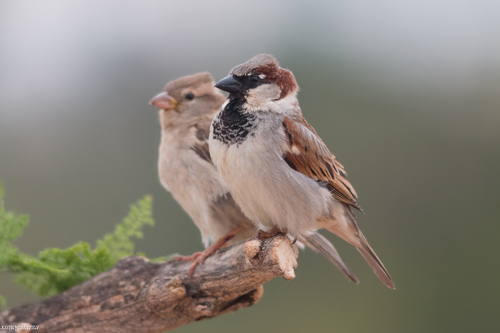
Ohio, US
Puedes ver Gorrión Común, Sapo Americano y Paloma Huilota.
Ver guía →

Connecticut, US
Puedes ver Gorrión Melódico, Sinsonte Norteño y Monarch.
Ver guía →
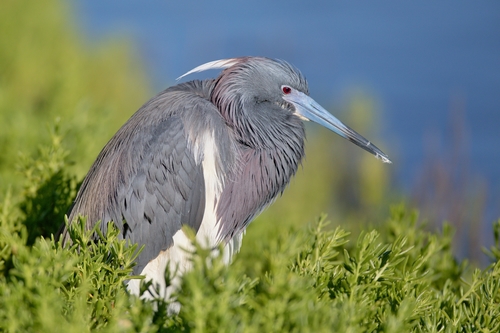
Florida, US
Puedes ver Tricolored Heron, Roseate Spoonbill y Wood Stork.
Ver guía →
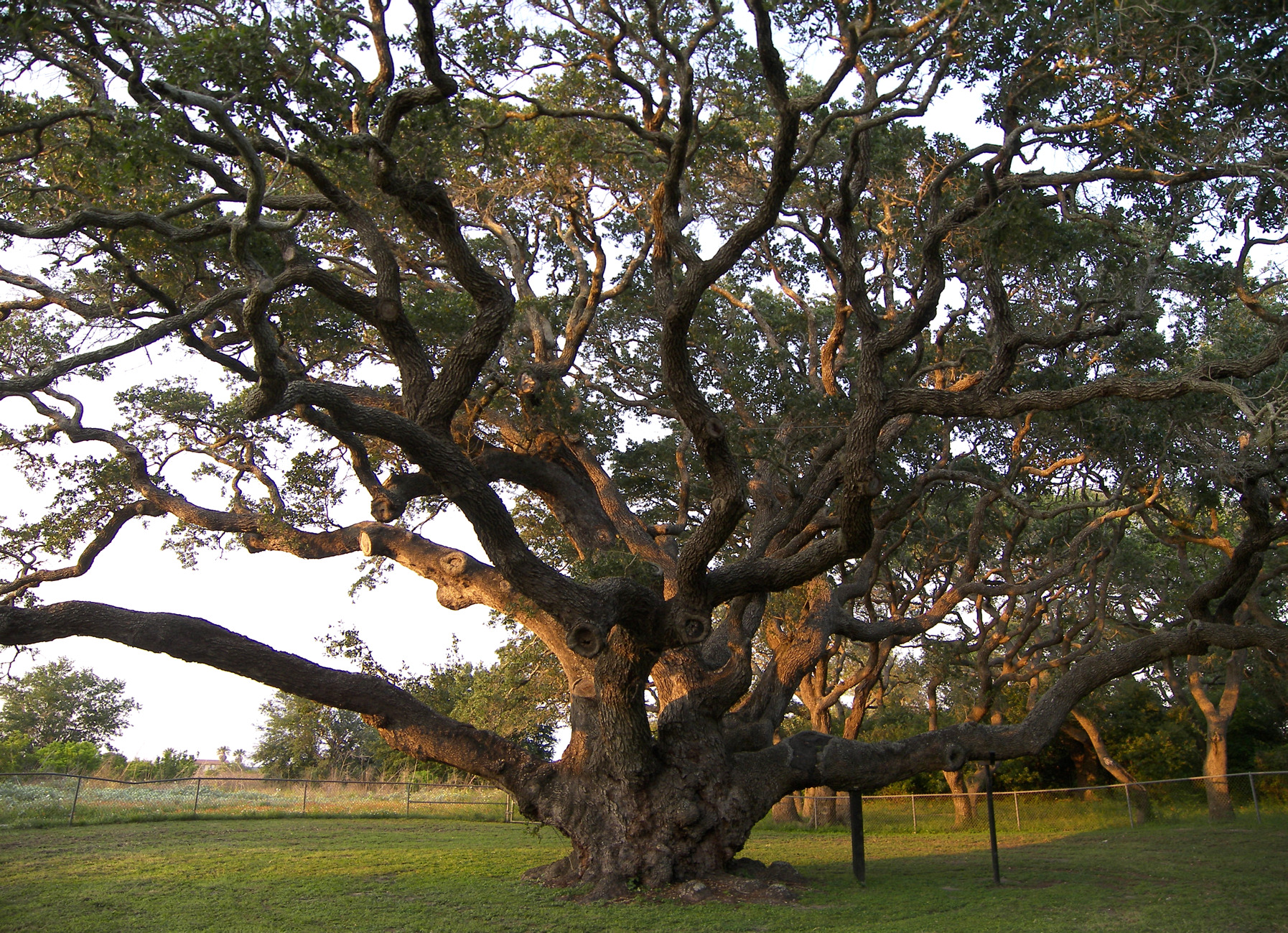
Texas, US
Puedes ver Pelícano Pardo, Ciervo De Cola Blanca y Laughing Gull.
Ver guía →

District of Columbia, US
Puedes ver Libélula Azul, Fragile Forktail y Slaty Skimmer.
Ver guía →
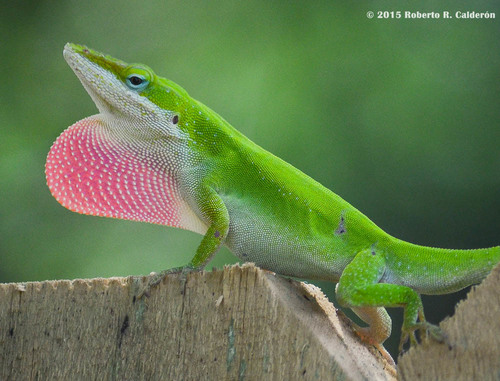
Florida, US
Puedes ver Anolis Verde, Common Gallinule y White Beggarticks.
Ver guía →











_a_(4644831482).jpg&width=800)
