






Great Golden Digger Wasp
Sphex ichneumoneus
The Great Golden Digger Wasp is a shiny yellow and black insect that digs in the ground to make homes for its babies. They are busy workers and help keep our gardens healthy by controlling pests.
Hábitat: Urban areas
The Great Golden Digger Wasp has a slender body with a distinctive, bright golden-orange abdomen. Its head and thorax are black, contrasting with golden-orange legs and smoky, iridescent wings. It's often mistaken for a hornet but is more graceful.
Categoría
InsectosRareza
Common
Peligro
2/5 · Bajo
Snaps
¡Sé la primera persona en hacer un snap!
A mother wasp digs her own nursery tunnels, sometimes over a foot long!
Adult wasps are peaceful nectar drinkers, not aggressive stingers.
They can carry prey much heavier and larger than themselves!
They mostly feed their babies paralyzed crickets or katydids.
Great Golden Digger Wasp can paralyze large prey with its venom, keeping it fresh for its developing young.
Great Golden Digger Wasp can dig intricate underground burrows because of its strong legs and digging claws.
Great Golden Digger Wasp can remember its burrow's location, even after a long hunt carrying heavy prey.
Adults sip sweet flower nectar, but their young feast on paralyzed insects stored in underground nurseries!
Diferencias por edad: Adults feed on nectar, while larvae consume paralyzed insects provided by the mother.

Gryllus pennsylvanicus
primary food source for larvae
Scudderia furcata
common prey species for larvae
Sarcophaga lherminieri
larvae can feed on wasp's stored prey
Solidago canadensis
adults visit flowers for nectar
Sialia sialis
adult wasps can be bird food
Marcado con bandas paralelas o líneas de color.
Los animales solitarios viven solos durante la mayor parte de su vida y solo interactúan con otros para aparearse o cuidar de sus crías.
Colorido describe a organismos u objetos que exhiben una amplia variedad de colores brillantes y distintivos.
Los animales excavadores cavan túneles y cámaras en el suelo y utilizan estas estructuras subterráneas para refugiarse, cazar o reproducirse.

Este rasgo identifica a los organismos cuya dieta consiste principalmente en insectos y otros pequeños invertebrados.

Los animales diurnos están activos principalmente durante el día y suelen descansar o dormir por la noche.

Describe una especie cuya presencia y papel tienen un efecto desproporcionadamente grande en su entorno.

Este rasgo identifica a los organismos que exhiben una rapidez excepcional en sus movimientos para cazar, escapar o desplazarse.

Esta característica de hábitat indica especies que pueden coexistir con los humanos en entornos urbanos y suburbanos, utilizando estructuras artificiales y espacios verdes.

Describe organismos que transfieren polen, permitiendo la fertilización y reproducción de las plantas.
Todavía no hay alias listados.
Peligro
2/5 · Bajo
Stay calm if you see a wasp and don't bother it; they are usually not harmful.
25-40 mm
12-24 mm
14-30 días
25 km/h
Adults sip sweet flower nectar, but their young feast on paralyzed insects stored in underground nurseries!
Urban areas
Pursuit
6
Acércate para separar los grupos y explorar dónde se ha fotografiado este objeto.
Los snaps recientes aparecerán aquí a medida que se añadan nuevas observaciones.
.JPG)
Massachusetts, US
Puedes ver Virginia Bluebells y Great Golden Digger Wasp.
Ver guía →
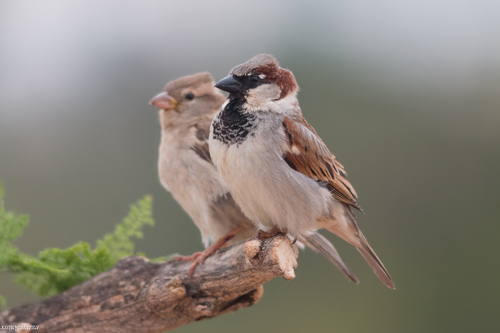
Ohio, US
Puedes ver Gorrión Común, Sapo Americano y Paloma Huilota.
Ver guía →
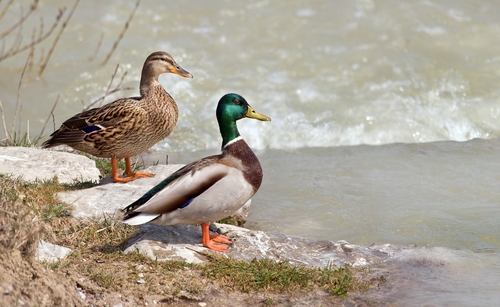
Washington, US
Puedes ver Pato, American Coot y Barnacla Canadiense.
Ver guía →

British Columbia, CA
Puedes ver Yellow-Bellied Marmot, Rubber Rabbitbrush y Siberian Elm.
Ver guía →













.jpg&width=800)

