






Great Grig
cyphoderris monstrosa
The Great Grig is a fascinating insect known for its loud chirping sounds! Kids love to listen to it during warm summer nights!
Hábitat: Great Grigs live in grassy areas, gardens, and fields, especially where it's warm and sunny.
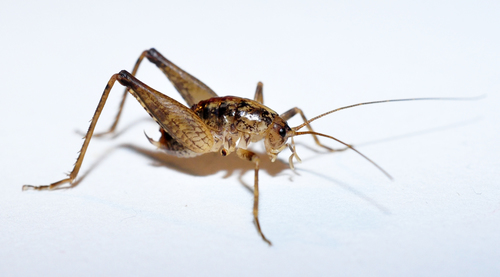
The Great Grig is a robust, mostly flightless katydid with a thick, squat body, typically brown or reddish-brown. It has short, rounded wing pads and notably long, powerful hind legs adapted for jumping. Its overall appearance is stout and somewhat bumpy, distinct from slender flying grasshoppers.
Categoría
InsectosRareza
Common
Peligro
0/5 · Sin peligro conocido
Snaps
¡Sé la primera persona en hacer un snap!
Even though they have wings, Great Grigs prefer to hop or walk, not fly!
Males offer females a special yummy 'nuptial meal' during mating!
Their antennae are super long, often much longer than their whole body!
These amazing insects are often called "ice bugs" because they survive freezing!
Great Grig can leap impressive distances because of its powerful hind legs that help it escape predators quickly.
Great Grig can 'sing' loudly by rubbing its wing pads together, a sound that helps males attract mates in the darkness.
Great Grig has natural antifreeze in its blood, allowing it to survive freezing temperatures that would kill most insects.
Great Grig can blend into its environment using cryptic coloration that helps it hide from predators among vegetation.
Great Grigs are omnivores, munching on small insects and various plants found in their habitat.
Corvus brachyrhynchos
Predatory birds often hunt them.
Peromyscus maniculatus
Rodents find them a tasty meal.
Populus tremuloides
Feeds on leaves and shoots.
Aphis gossypii
Grigs prey on small, soft-bodied insects.
Los animales sociales viven en grupos organizados, cooperando para obtener beneficios de supervivencia como la búsqueda de alimento, la defensa y la cría de descendencia.
Colorido describe a organismos u objetos que exhiben una amplia variedad de colores brillantes y distintivos.
Los hábitats de pastizales son biomas terrestres dominados por pastos y plantas herbáceas, que sustentan a una variedad de animales de pastoreo.
Este rasgo identifica a los organismos cuya dieta consiste total o principalmente en tejido animal.

Los animales nocturnos están principalmente activos durante la noche, y suelen descansar o dormir durante el día.
Peligro
0/5 · Sin peligro conocido
Todavía no hay notas especiales de seguridad.
15-30 mm
60-120 días
Great Grigs are omnivores, munching on small insects and various plants found in their habitat.
Great Grigs live in grassy areas, gardens, and fields, especially where it's warm and sunny.
Foraging
6
Acércate para separar los grupos y explorar dónde se ha fotografiado este objeto.
Los snaps recientes aparecerán aquí a medida que se añadan nuevas observaciones.







_Erebia_aethiops_-_Bossey_Haute-Savoie_France_-_female.jpg&width=800)




