



Great Plains Ratsnake
Pantherophis emoryi
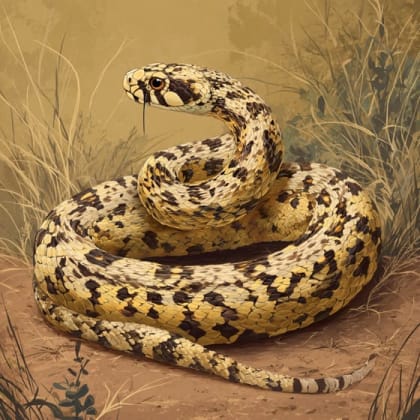
The Great Plains Ratsnake is a friendly snake that can be found in the grasslands. It has beautiful patterns on its skin and loves to climb trees and hunt for small animals.
Hábitat: Grasslands
The Great Plains Ratsnake has a tan to light gray body adorned with dark brown or black blotches that run down its back, often fading towards its tail. Its belly is usually white or yellowish with a checkered pattern, which helps distinguish it from some other local snakes.
Categoría
ReptilesRareza
Common
Peligro
1/5 · Muy bajo
Snaps
¡Sé la primera persona en hacer un snap!
Great Plains Ratsnakes are sometimes called 'chicken snakes'!
These amazing snakes are non-venomous and harmless to people!
They can freeze perfectly still to avoid being seen by predators!
They lay clutches of eggs in hidden spots like rotten logs!
Great Plains Ratsnake can squeeze its prey tightly to immobilize it because of its strong, muscular body.
Great Plains Ratsnake can climb trees and structures using special belly scales that help them grip, aiding in hunting and escape.
Great Plains Ratsnake can vibrate its tail rapidly when threatened, creating a rattling sound that helps them scare away predators.
These snakes are carnivores that primarily hunt small mammals and birds.
Diferencias por edad: Young snakes might eat more lizards and frogs before graduating to larger prey.
Peromyscus maniculatus
A primary food source in its habitat.
Turdus migratorius
Hunts eggs and nestlings from ground nests.
Buteo jamaicensis
A significant aerial predator of these snakes.
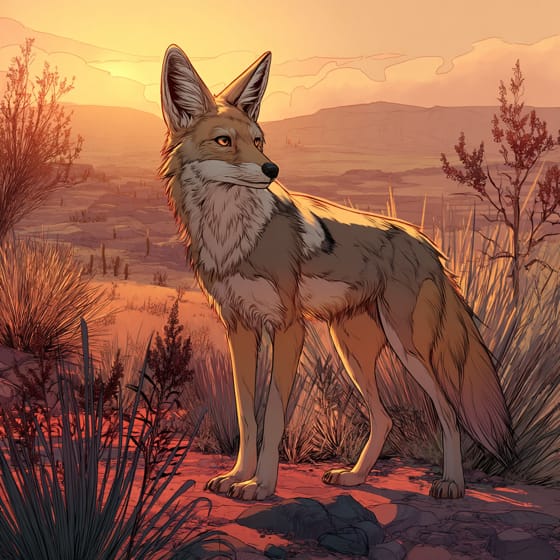
Canis latrans
Opportunistic predator in open habitats.
Marcado con bandas paralelas o líneas de color.
Los animales solitarios viven solos durante la mayor parte de su vida y solo interactúan con otros para aparearse o cuidar de sus crías.
Los animales arborícolas viven principalmente en los árboles, utilizándolos como refugio, alimento y protección contra los depredadores.
El camuflaje describe a los organismos que poseen colores o patrones que les permiten mezclarse con su entorno.

Colorido describe a organismos u objetos que exhiben una amplia variedad de colores brillantes y distintivos.

Los hábitats de pastizales son biomas terrestres dominados por pastos y plantas herbáceas, que sustentan a una variedad de animales de pastoreo.

Este rasgo identifica a los organismos cuya dieta consiste total o principalmente en tejido animal.

Los animales diurnos están activos principalmente durante el día y suelen descansar o dormir por la noche.
Todavía no hay alias listados.
Peligro
1/5 · Muy bajo
If you see a snake, it's best to stay calm and walk away slowly. Never try to touch or catch it.
90-150 cm
0.5-1.5 kg
8-15 años
1.5 km/h
These snakes are carnivores that primarily hunt small mammals and birds.
Grasslands
Ambush
5-30
Acércate para separar los grupos y explorar dónde se ha fotografiado este objeto.
Los snaps recientes aparecerán aquí a medida que se añadan nuevas observaciones.