Greater Moon Jelly
aurelia labiata
The Greater Moon Jelly (Aurelia labiata) is a mesmerizing marine drifter commonly found along the Pacific coast of North America. Renowned for its translucent, saucer-like bell and graceful pulsations, this cnidarian captivates beachgoers and divers alike. Unlike typical jellyfish, Aurelia labiata possesses a highly distinctive scalloped bell margin divided into sixteen distinct lobes, giving it a beautifully complex, flower-like appearance as it drifts through temperate coastal waters. These gentle giants are often seen gathering in large aggregations called blooms. They rely on oceanic currents to travel while using their delicate, stinging tentacles to capture tiny planktonic prey. While their venom is generally harmless to humans, they play a crucial role in marine food webs, serving as a vital food source for sea turtles and larger predatory jellyfish species.
Hábitat: Found in coastal waters, fjords, and sheltered bays along the North American Pacific coast, often close to the surface or near marinas and docks.
This species is characterized by a translucent, saucer-shaped bell that ranges from milky white to soft shades of pink or lavender. Its bell margin features sixteen prominent scallops or indentations, which distinguishes it from other closely related moon jellies. Looking closely at its center, one can spot its horseshoe-shaped reproductive organs, typically arranged in four distinct pale yellow or pink loops. Flung beneath the bell are four long, frilly oral arms used for feeding, surrounded by a fringe of short, fine, hair-like tentacles.
Categoría
AnimalRareza
Common
Peligro
1/5 · Muy bajo
Snaps
¡Sé la primera persona en hacer un snap!
The Greater Moon Jelly has sixteen scalloped lobes along its rim, twice as many as the more widely known common moon jelly (Aurelia aurita).
They are made of over 95% water and lack a brain, heart, blood, or gills, relying instead on oxygen diffusing directly through their thin skin.
Under stressful conditions or starvation, moon jellies can shrink in size and revert to a younger state to survive.
By contracting its circular muscles, the jelly expels water from beneath its bell to propel itself forward, creating currents that pull tiny planktonic prey toward its tentacles.
It utilizes four frilly oral arms coated in sticky mucus to transport captured plankton directly from its marginal tentacles to its central mouth.
If damaged by predators or rough surf, this species can rapidly regenerate lost body parts and restore its symmetrical structure within days.
Feeds opportunistically on microscopic zooplankton, copepods, larval fish, and other small drifting organisms.
Diferencias por edad: The benthic polyp stage feeds on small suspended organic particles, while the swimming mature medusa stage captures larger zooplankton and small fish larvae.
Dermochelys coriacea
Adult moon jellies are a primary, moisture-rich food source for migrating leatherback turtles.
Phacellophora camtschatica
This larger predatory jellyfish actively hunts and consumes Aurelia labiata in the Pacific Northwest.
Clupea pallasii
Greater Moon Jellies feed heavily on the floating eggs and newly hatched larvae of the Pacific herring.
Aún no hay insignias de rasgos asignadas a este objeto.
Todavía no hay alias listados.
Las colecciones para este objeto aparecerán aquí a medida que se añadan más temas.
Peligro
1/5 · Muy bajo
Todavía no hay notas especiales de seguridad.
La forma más fácil de identificar a Greater Moon Jelly es usar la aplicación de identificación de naturaleza Snappit.
15+ cm
0.1+ kg
1+ años
Feeds opportunistically on microscopic zooplankton, copepods, larval fish, and other small drifting organisms.
Found in coastal waters, fjords, and sheltered bays along the North American Pacific coast, often close to the surface or near marinas and docks.
Passive Drift
10000+
Acércate para separar los grupos y explorar dónde se ha fotografiado este objeto.
Los snaps recientes aparecerán aquí a medida que se añadan nuevas observaciones.
.jpg)
California, US
Puedes ver Zarapito Americano, Chorlitejo Nevado y Correlimos Tridáctilo.
Ver guía →
British Columbia, CA
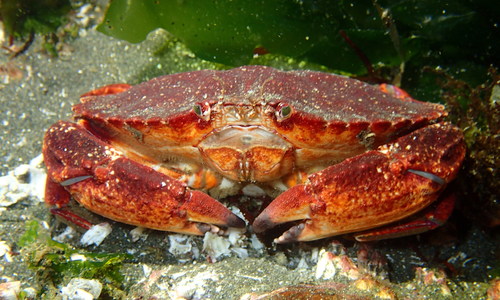
Puedes ver Red Rock Crab, Cangrejo Dungeness y Salal.
Ver guía →
British Columbia, CA
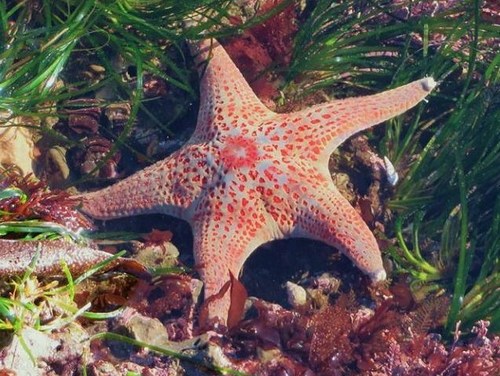
Puedes ver Leather Star, Mottled Star y Foca Común.
Ver guía →
Washington, US
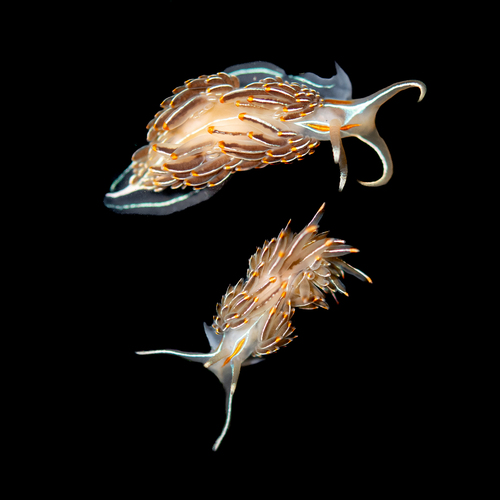
Puedes ver Nudibranquio Cornudo y Minador Del Madroño.
Ver guía →