.jpg&width=800)





Greater Short-horned Lizard
Phrynosoma hernandesi
The Greater Short-horned Lizard is a small, spiky lizard that loves to bask in the sun. It can change colors to blend in with its surroundings, making it a great little hide-and-seek player in the wild!
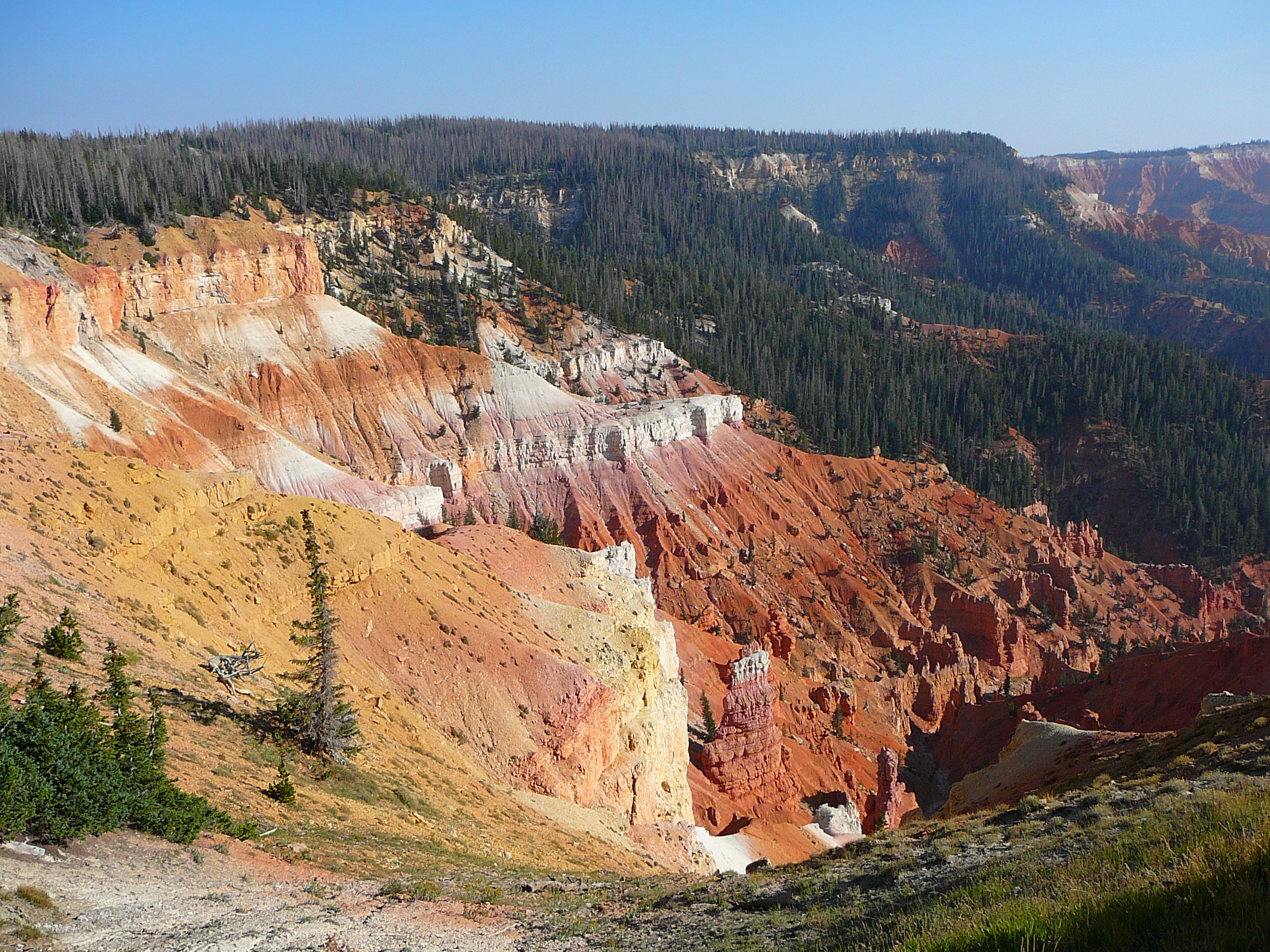
Hábitat: Desert
The Greater Short-horned Lizard is a flat-bodied reptile with a spiky appearance, featuring a row of short, horn-like spines on its head. Its skin is typically mottled brown, grey, or tan, often with darker blotches, providing excellent camouflage against rocky or sandy ground.
Categoría
ReptilesRareza
Common
Peligro
1/5 · Muy bajo
Snaps
¡Sé la primera persona en hacer un snap!
Its 'horns' are actually modified scales, not true horns like on a bull.
They can survive freezing temperatures by burying themselves in the soil!
They use a special glue-like substance on their tongue to catch ants!
Unlike most lizards, this species gives birth to live babies, not eggs!
Greater Short-horned Lizards can squirt a stream of blood from their eyes that helps them scare away predators like coyotes.
Greater Short-horned Lizards have sharp, bony spines all over their body that helps them become a prickly, tough meal for predators.
Greater Short-horned Lizards have mottled skin colors and a flat body that helps them blend perfectly into their surroundings.
Tiny hunters, they mainly feast on ants, gulping them down with their specialized tongue!

Pogonomyrmex occidentalis
A main food source, caught with a sticky tongue.
Formica fusca
Common ant species preyed upon by the lizard.
Buteo jamaicensis
A common avian predator hunting from the sky.
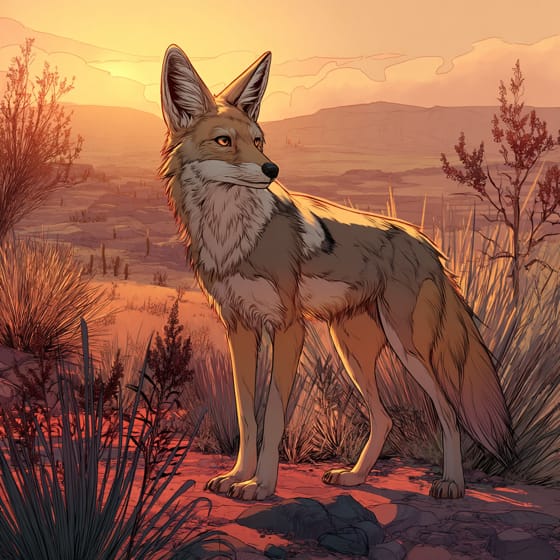
Canis latrans
Mammalian predator that hunts them on the ground.
Pituophis catenifer
A snake known to prey on small lizards.
Los animales solitarios viven solos durante la mayor parte de su vida y solo interactúan con otros para aparearse o cuidar de sus crías.
El camuflaje describe a los organismos que poseen colores o patrones que les permiten mezclarse con su entorno.
Este rasgo identifica a los organismos cuya dieta consiste principalmente en insectos y otros pequeños invertebrados.
Los hábitats desérticos son regiones áridas caracterizadas por precipitaciones extremadamente bajas y, a menudo, temperaturas extremas, que albergan una flora y fauna especializadas.

Posee proyecciones puntiagudas y afiladas o espinas en el cuerpo o en la superficie.

Este rasgo identifica a los organismos cuya dieta consiste total o principalmente en tejido animal.

Los animales diurnos están activos principalmente durante el día y suelen descansar o dormir por la noche.
Peligro
1/5 · Muy bajo
Don't touch wild lizards; they are best admired from a distance.
7-15 cm
0.015-0.07 kg
5-8 años
1.5 km/h
Tiny hunters, they mainly feast on ants, gulping them down with their specialized tongue!
Desert
Ambush
Acércate para separar los grupos y explorar dónde se ha fotografiado este objeto.
Los snaps recientes aparecerán aquí a medida que se añadan nuevas observaciones.