






Green Comma
Polygonia faunus
The Green Comma is a beautiful butterfly with a unique greenish color on its wings. It loves to flutter around in sunny spots and can often be seen resting on leaves.
Hábitat: Forests
The Green Comma has a distinctive ragged wing shape, with bright orange-brown upper surfaces marked by black spots and a unique green border. Its underside is mottled dark brown and grey, making it look exactly like a dead leaf, which helps it disappear.
Categoría
InsectosRareza
Common
Peligro
1/5 · Muy bajo
Snaps
¡Sé la primera persona en hacer un snap!
Adult Green Commas can survive the entire winter by finding a cozy hiding spot.
Its caterpillar looks like it's covered in spikes to scare away predators!
They have taste sensors on their feet, letting them 'taste' where they land!
This butterfly sips sweet tree sap and rotting fruit, not just flower nectar!
Green Comma has wings that perfectly mimic a dead leaf because of their ragged edges and mottled brown underside, helping them hide from hungry birds.
Green Comma can fly and be active even in cool weather because of its ability to bask in sunlight, helping them find food earlier than other butterflies.
Green Comma can drink tree sap because of its specialized proboscis, that helps them access sugary liquids not available to many other insects.
Caterpillars munch on leaves, while adults enjoy tree sap and rotting fruits.
Diferencias por edad: Larvae eat leaves of specific host plants, while adults primarily feed on tree sap and fermented fruit.
Humulus lupulus
Larvae feed on the leaves.
Ulmus americana
Larvae feed on the leaves.
Urtica dioica
Larvae feed on the leaves.
Cyanocitta cristata
Adults and larvae can be prey.
Los animales solitarios viven solos durante la mayor parte de su vida y solo interactúan con otros para aparearse o cuidar de sus crías.
El camuflaje describe a los organismos que poseen colores o patrones que les permiten mezclarse con su entorno.
Colorido describe a organismos u objetos que exhiben una amplia variedad de colores brillantes y distintivos.
Este rasgo caracteriza a los organismos cuya dieta consiste total o principalmente en material vegetal.

Describe plantas que son particularmente atractivas y beneficiosas para una amplia variedad de organismos polinizadores.

Los hábitats boscosos son entornos terrestres dominados por una densa cubierta arbórea, que sustentan una gran diversidad de vida animal y vegetal.

Los animales diurnos están activos principalmente durante el día y suelen descansar o dormir por la noche.

Describe organismos que transfieren polen, permitiendo la fertilización y reproducción de las plantas.
Todavía no hay alias listados.
Peligro
1/5 · Muy bajo
Butterflies are gentle creatures, but it's best to watch them from a distance.
45-64 mm
18-25 mm
30-270 días
15 km/h
Caterpillars munch on leaves, while adults enjoy tree sap and rotting fruits.
Forests
Foraging
6
Acércate para separar los grupos y explorar dónde se ha fotografiado este objeto.
Los snaps recientes aparecerán aquí a medida que se añadan nuevas observaciones.

British Columbia, CA
Puedes ver Abeto De Douglas, Silverleaf Phacelia y Rocky Mountain Maple.
Ver guía →
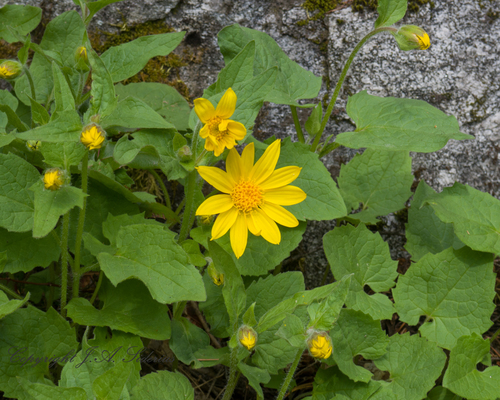
British Columbia, CA
Puedes ver Heartleaf Arnica, Abeto De Douglas y Oregon Grape.
Ver guía →
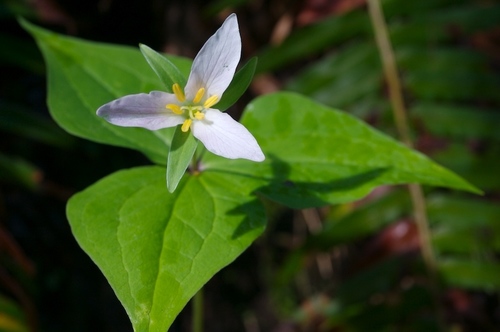
British Columbia, CA
Puedes ver Pacific Trillium, Coast Fawn Lily y Western Sword Fern.
Ver guía →

British Columbia, CA
Puedes ver Green Comma, Mariposa Capa De Luto y Hoary Comma.
Ver guía →

Washington, US
Puedes ver Cascade Oregon-Grape, Abeto De Douglas y Salal.
Ver guía →




_Thyatira_batis_-_Kunstat_Czech_Republic_-_male.jpg&width=800)









