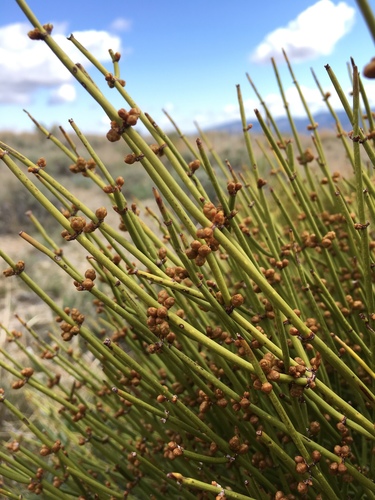


Green Ephedra
ephedra viridis
Green Ephedra (Ephedra viridis), commonly known as green Mormon tea or joint-fir, is a highly resilient gymnosperm native to the arid desert regions of the western United States. Standing out as a dense, woody shrub composed of vibrant, erect, broom-like stems, this plant has adapted beautifully to the harsh conditions of the American Southwest. It belongs to the ancient Gnetophyta division, an evolutionary group that occupies a unique space between conifers and flowering plants. Because its leaves are reduced to minute, papery scales, the plant relies entirely on its bright green stems to photosynthesize. For centuries, various Native American tribes and later European pioneers recognized its value, brewing a stimulating, medicinal tea from its branches to alleviate colds, kidney issues, and fatigue.
Hábitat: Found on dry, rocky slopes, canyon walls, gravelly flats, and desert shrublands across the western United States.
Green Ephedra is easily identified by its distinctive broom-like appearance, featuring numerous erect, bright green to yellow-green stems growing in dense, rounded clumps up to 1.5 meters tall. The stems are jointed and rigid, resembling miniature bamboo or horsetails. Upon close inspection, the leaves are practically non-existent, appearing only as tiny, brownish, two-lobed scales at the nodes of the branches. In spring, the plant produces small, inconspicuous cone-like structures at these nodes; male cones are yellow and pollen-bearing, while female cones are slightly larger, green-to-brown, and contain two seeds.
Categoría
PlantasRareza
Common
Peligro
1/5 · Muy bajo
Snaps
¡Sé la primera persona en hacer un snap!
Historically, Mormon pioneers brewed a caffeine-free beverage called 'Mormon tea' from its dried stems to treat various ailments.
Its leaves are so tiny they look like small brown scales at the stem joints, an adaptation that prevents precious water from evaporating.
Unlike most modern plants, Ephedra belongs to an ancient group of gymnosperms called Gnetophytes, making it an evolutionary bridge between conifers and flowering plants.
Performs photosynthesis primarily within its green, chlorophyll-rich stems rather than leaves, drastically reducing surface area and limiting water loss through transpiration.
Can survive extreme dry spells by allowing non-essential branch tips to die back, focusing its moisture reserves on the core root system and main stems.
Produces secondary chemical compounds that make its tissues bitter and difficult to digest, deterring most generalist herbivores.
As a photosynthetic plant, Green Ephedra produces its own energy using sunlight, carbon dioxide, and water absorbed from its desert environment.
Ovis canadensis nelsoni
The leaves and stems of Green Ephedra are a valuable browse resource for native ungulates, especially during dry winter months.
Dipodomys ordii
Feeds on the seeds of Green Ephedra, acting both as a seed predator and a dispersal agent when cached seeds are left uneaten.
Aún no hay insignias de rasgos asignadas a este objeto.
Todavía no hay alias listados.
Las colecciones para este objeto aparecerán aquí a medida que se añadan más temas.
Peligro
1/5 · Muy bajo
Todavía no hay notas especiales de seguridad.
La forma más fácil de identificar a Green Ephedra es usar la aplicación de identificación de naturaleza Snappit.
50+ cm
1+ kg
20+ años
As a photosynthetic plant, Green Ephedra produces its own energy using sunlight, carbon dioxide, and water absorbed from its desert environment.
Found on dry, rocky slopes, canyon walls, gravelly flats, and desert shrublands across the western United States.
Acércate para separar los grupos y explorar dónde se ha fotografiado este objeto.
Los snaps recientes aparecerán aquí a medida que se añadan nuevas observaciones.

Colorado, US
Puedes ver Lagartija De Manchas Laterales Común.
Ver guía →

Colorado, US
Puedes ver Lagartija De Manchas Laterales Común.
Ver guía →
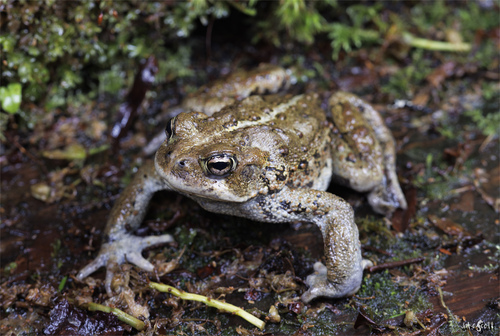
Nevada, US
Puedes ver Sapo Occidental, Lagartija Espinosa Del Oeste y Raíz Amarga.
Ver guía →

















