






Greenhouse Frog
Eleutherodactylus planirostris
The Greenhouse Frog is a tiny, cute frog that loves to live in warm places like greenhouses. They are great at hiding and can jump really far when they want to escape!
Hábitat: Urban areas
The Greenhouse Frog is a tiny, drab brown or tan frog, often mottled with darker spots or stripes, allowing it to blend seamlessly into leaf litter. It has a somewhat pointed snout and prominent eyes, lacking the distinct eardrum visible in many other frog species.
Categoría
AnfibiosRareza
Common
Peligro
1/5 · Muy bajo
Snaps
¡Sé la primera persona en hacer un snap!
Male Greenhouse Frogs make a high-pitched 'cree-cree' call from hidden spots.
These frogs lay their small clutches of eggs on land, often under logs or leaves.
They are native to the Caribbean, not greenhouses, but spread by humans.
Tiny froglets hatch directly from eggs, completely skipping the tadpole stage!
Greenhouse Frogs can skip the tadpole stage, with eggs hatching directly into tiny froglets. This helps them reproduce even far from standing water.
The Greenhouse Frog has varied brown and tan patterns that allow it to blend seamlessly into leaf litter and soil. This helps them avoid predators.
Greenhouse Frogs can thrive in human-altered environments like gardens and greenhouses. This helps them spread to new locations easily.
This tiny frog munches on small bugs and other creepy crawlies found in its habitat.
Thamnophis sirtalis
Snakes are common predators of small frogs.
Anolis carolinensis
Larger lizards may prey on froglets and small frogs.
Formica fusca
Ants are a primary food source for this tiny frog.
Drosophila melanogaster
Tiny flying insects are often caught by the frog.
Los animales solitarios viven solos durante la mayor parte de su vida y solo interactúan con otros para aparearse o cuidar de sus crías.
Los animales cantores producen vocalizaciones complejas, a menudo con el propósito de atraer parejas, defender el territorio o comunicarse dentro de su especie.
El camuflaje describe a los organismos que poseen colores o patrones que les permiten mezclarse con su entorno.
Este rasgo identifica a los organismos cuya dieta consiste principalmente en insectos y otros pequeños invertebrados.

Relativo a especies que son significativamente más pequeñas que lo típico o promedio de su tipo.

Esta característica de hábitat indica especies que pueden coexistir con los humanos en entornos urbanos y suburbanos, utilizando estructuras artificiales y espacios verdes.

Los animales nocturnos están principalmente activos durante la noche, y suelen descansar o dormir durante el día.

Describe organismos que transfieren polen, permitiendo la fertilización y reproducción de las plantas.

El estado de peligro de extinción indica que una especie corre un riesgo muy alto de extinguirse en estado silvestre en un futuro próximo.
Todavía no hay alias listados.
Peligro
1/5 · Muy bajo
Always watch where you step, as frogs can be very small and hard to see.
1.7-3.1 cm
0.001-0.003 kg
3-5 años
This tiny frog munches on small bugs and other creepy crawlies found in its habitat.
Urban areas
Foraging
3-26
Acércate para separar los grupos y explorar dónde se ha fotografiado este objeto.
Los snaps recientes aparecerán aquí a medida que se añadan nuevas observaciones.
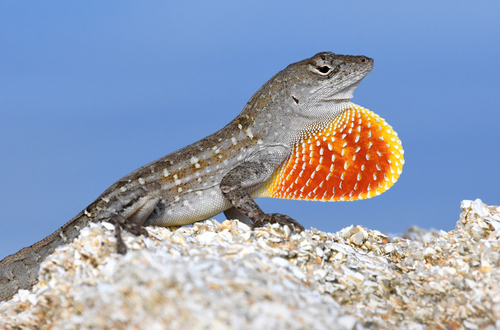
Texas, US
Puedes ver Anolis Castaño, Ardilla Gris Oriental y Abeja.
Ver guía →
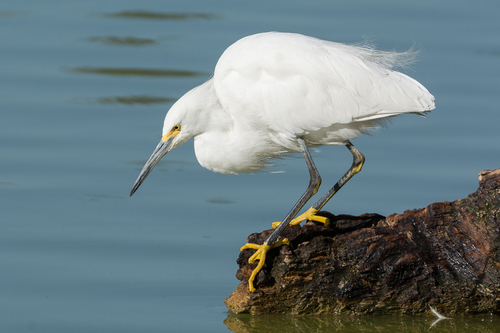
Florida, US
Puedes ver Snowy Egret, Pelícano Pardo y Boat-Tailed Grackle.
Ver guía →
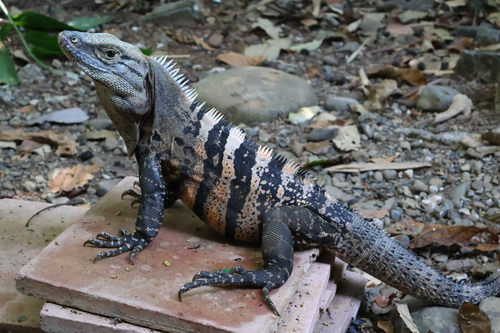
Florida, US
Puedes ver Black Spiny-Tailed Iguana, Anolis Castaño y Sea Grape.
Ver guía →
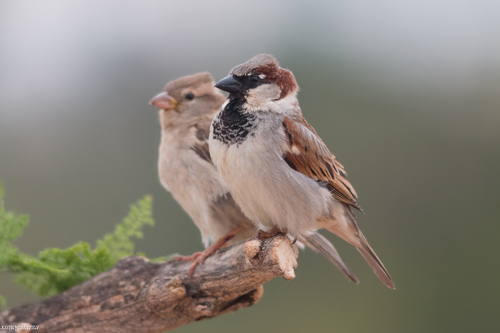
New York, US
Puedes ver Gorrión Común, Paulownia y Paloma Bravía.
Ver guía →
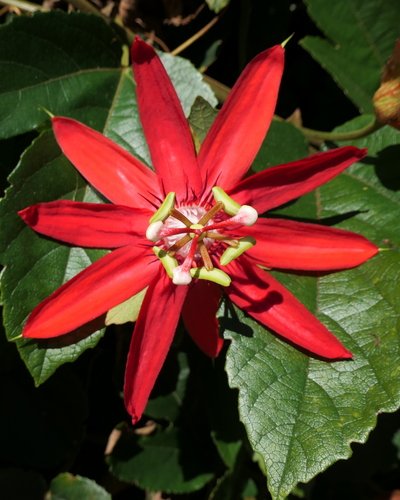
Florida, US
Puedes ver Passiflora 'scarlet Flame' y Carolina Burying Beetle.
Ver guía →




.jpg&width=800)






.jpg&width=800)
