






Grey-Banded Kingsnake
lampropeltis alterna
The Grey-Banded Kingsnake is a beautiful snake with striking gray and black bands. It loves to explore its surroundings and is a great friend to have in your backyard!
Hábitat: Rocky and mountainous areas, often in dry regions.
The Grey-Banded Kingsnake has a slender body with striking patterns of grey or tan scales, boldly marked by distinct, darker bands, often reddish-orange, outlined in black. Its head is usually dark with lighter markings, blending seamlessly with its body.
Categoría
ReptilesRareza
Common
Peligro
1/5 · Muy bajo
Snaps
¡Sé la primera persona en hacer un snap!
They are amazing climbers, often scaling rocky cliffs to find warm basking spots!
This snake's scientific name, 'alterna', refers to its alternating colorful band patterns!
Threatened? They'll shake their tail like a rattlesnake, but they're not venomous!
Young kingsnakes eat small lizards; adults prefer rodents and other snakes.
Grey-Banded Kingsnake can squeeze its prey tightly using powerful constriction, making it easier to eat.
Grey-Banded Kingsnake has natural resistance to some snake venoms, allowing them to eat other snakes.
Grey-Banded Kingsnake has banded patterns that help them blend perfectly with rocky desert environments.
A stealthy hunter, it dines on rodents, lizards, and even other snakes it catches!
Diferencias por edad: Young snakes eat smaller lizards and insects, while adults prey on rodents and other snakes.
Crotalus atrox
Preys on this venomous rattlesnake species.
Peromyscus maniculatus
A common prey item in its natural habitat.
Buteo jamaicensis
Young snakes can be prey for these birds.
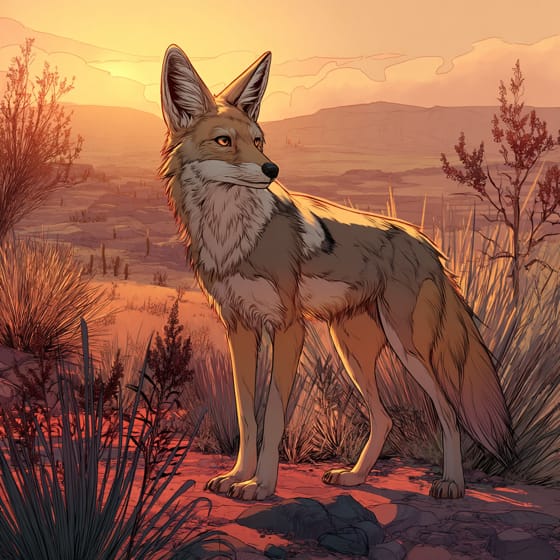
Canis latrans
An opportunistic predator of various snakes.
Los animales solitarios viven solos durante la mayor parte de su vida y solo interactúan con otros para aparearse o cuidar de sus crías.
Colorido describe a organismos u objetos que exhiben una amplia variedad de colores brillantes y distintivos.
Este rasgo identifica a los organismos cuya dieta consiste total o principalmente en tejido animal.
Los animales nocturnos están principalmente activos durante la noche, y suelen descansar o dormir durante el día.
Peligro
1/5 · Muy bajo
Always observe snakes from a distance and never attempt to touch them.
60-100 cm
0.2-0.5 kg
10-20 años
2 km/h
A stealthy hunter, it dines on rodents, lizards, and even other snakes it catches!
Rocky and mountainous areas, often in dry regions.
Ambush
3-13
Acércate para separar los grupos y explorar dónde se ha fotografiado este objeto.
Los snaps recientes aparecerán aquí a medida que se añadan nuevas observaciones.


















