





Grus canadensis pratensis
Grus canadensis pratensis
La Grulla Canadiense de Florida es un ave alta y elegante conocida por sus hermosas plumas grises y largas patas. Son famosas por sus fuertes llamadas de trompeta y son un símbolo de los esfuerzos de conservación.
Hábitat: Humedales
La Grus canadensis pratensis es un ave alta y elegante de color gris con largas patas oscuras y un cuello esbelto. Su característica más llamativa es un distintivo casquete rojo en su cabeza, que contrasta con una mancha blanca en su mejilla. Su plumaje es, por lo demás, mayormente gris liso.
Categoría
AvesRareza
Common
Peligro
1/5 · Muy bajo
Snaps
¡Sé la primera persona en hacer un snap!
Las Grullas Canadiense de Florida se emparejan de por vida y son padres devotos de sus polluelos.
A veces, 'pintan' sus plumas con barro, dándoles un color oxidado.
Sus crías se llaman 'polluelos' y pueden abandonar el nido pocas horas después de nacer.
¡Pueden vivir más que muchas mascotas, alcanzando más de 20 años de edad!
Grus canadensis pratensis tiene patas increíblemente largas que le ayudan a vadear aguas poco profundas para encontrar alimento y mantenerse a salvo de los depredadores.
Grus canadensis pratensis realiza elaboradas danzas con saltos y reverencias para encontrar pareja y fortalecer su vínculo de apareamiento.
Este omnívoro come una variedad de plantas, insectos y animales pequeños que se encuentran en humedales y campos.
Diferencias por edad: Las grullas jóvenes (polluelos) comen más insectos ricos en proteínas para crecer rápidamente.
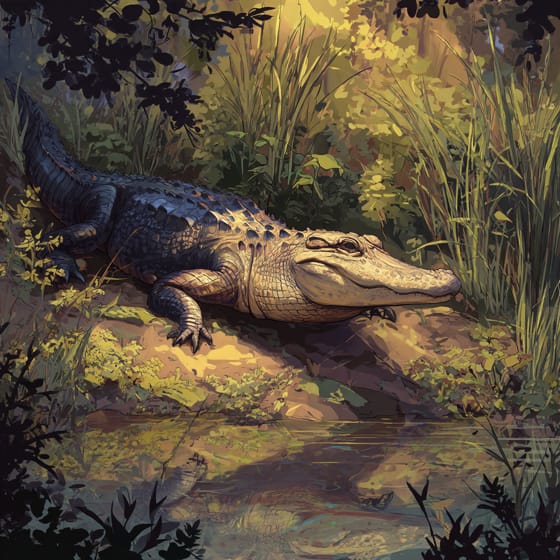
Alligator mississippiensis
Los huevos y los polluelos son presa de este reptil.
Lynx rufus
Los adultos y los polluelos pueden ser presa de los linces.
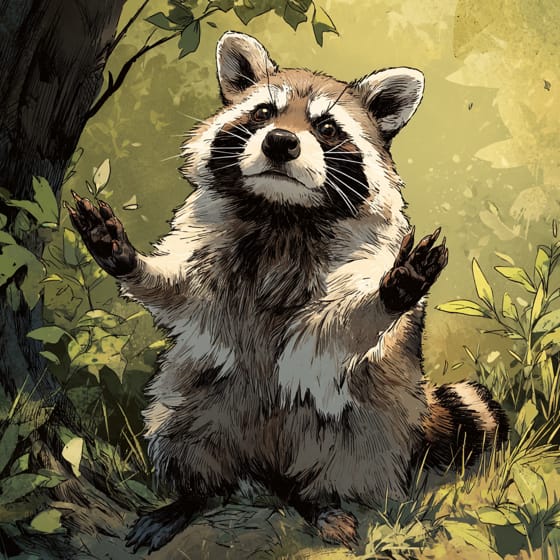
Procyon lotor
Come huevos de grulla y a veces polluelos jóvenes.
%2C_Vorderansich.jpg&width=800)
Lithobates sphenocephalus
Las grullas cazan y comen varias ranas.
Romalea microptera
Las grullas comen muchos tipos de insectos.
Describe a los animales, principalmente aves, que poseen una cubierta de plumas.
Los animales sociales viven en grupos organizados, cooperando para obtener beneficios de supervivencia como la búsqueda de alimento, la defensa y la cría de descendencia.
Los animales cantores producen vocalizaciones complejas, a menudo con el propósito de atraer parejas, defender el territorio o comunicarse dentro de su especie.
Este rasgo caracteriza a los organismos cuya dieta consiste total o principalmente en material vegetal.

Este rasgo de hábitat identifica especies que se encuentran en humedales, que son áreas de tierra saturadas de agua, ya sea permanente o estacionalmente, e incluyen marismas, pantanos y ciénagas.

Describe una especie cuya presencia y papel tienen un efecto desproporcionadamente grande en su entorno.

Los animales migratorios emprenden movimientos estacionales de una región a otra, típicamente en respuesta a cambios en el clima o la disponibilidad de alimentos.

El estado de peligro de extinción indica que una especie corre un riesgo muy alto de extinguirse en estado silvestre en un futuro próximo.
Peligro
1/5 · Muy bajo
Observa siempre a las aves desde lejos y no perturbes sus nidos.
La forma más fácil de identificar a Grus canadensis pratensis es usar la aplicación de identificación de naturaleza Snappit.
100-120 cm
170-200 cm
3-6.5 kg
20-25 años
65 km/h
Este omnívoro come una variedad de plantas, insectos y animales pequeños que se encuentran en humedales y campos.
Humedales
Acércate para separar los grupos y explorar dónde se ha fotografiado este objeto.
Los snaps recientes aparecerán aquí a medida que se añadan nuevas observaciones.
Llévate el descubrimiento
Haz una foto con Snappit, identifica la especie y guarda el hallazgo en tu colección.




.jpg&width=800)








