





Guanaco
Lama guanicoe
Los guanacos son animales dóciles que viven en la naturaleza. Tienen patas largas y un pelaje suave y grueso que los mantiene calientes en las frías montañas.
Hábitat: Regiones montañosas
El guanaco es un camélido grande con un cuello elegante y patas largas, cubierto de un pelaje grueso y lanudo que es típicamente de color marrón claro a marrón rojizo en su espalda y costados, desvaneciéndose a blanco en su vientre. Tiene una cara gris distintiva con orejas pequeñas y puntiagudas, lo que lo distingue de sus parientes domesticados.
Categoría
MamíferosRareza
Common
Peligro
2/5 · Bajo
Snaps
¡Sé la primera persona en hacer un snap!
Las crías de guanaco pueden ponerse de pie y correr a los pocos minutos de nacer, ¡asombroso!
¡Los guanacos tienen almohadillas suaves en sus patas, como zapatos incorporados, para caminar fácilmente sobre terrenos rocosos!
Su grueso pelaje lanudo les ayuda a mantenerse calientes en los inviernos gélidos de la montaña y frescos en verano.
¡Se comunican usando más de 18 sonidos diferentes, desde zumbidos hasta resoplidos!
El guanaco tiene glóbulos rojos especiales que transportan más oxígeno, lo que les permite vivir y prosperar en montañas muy altas.
El guanaco puede escupir contenidos estomacales malolientes a los depredadores, creando una distracción para ayudarles a escapar del peligro.
El guanaco puede correr a altas velocidades durante períodos prolongados por terrenos difíciles, lo que les ayuda a huir de los depredadores que los persiguen.
El guanaco puede obtener la mayor parte de su agua de las plantas, lo que le permite sobrevivir en zonas secas donde el agua escasea.
Estos herbívoros mastican pastos, hierbas, arbustos e incluso cactus en sus duros hábitats.
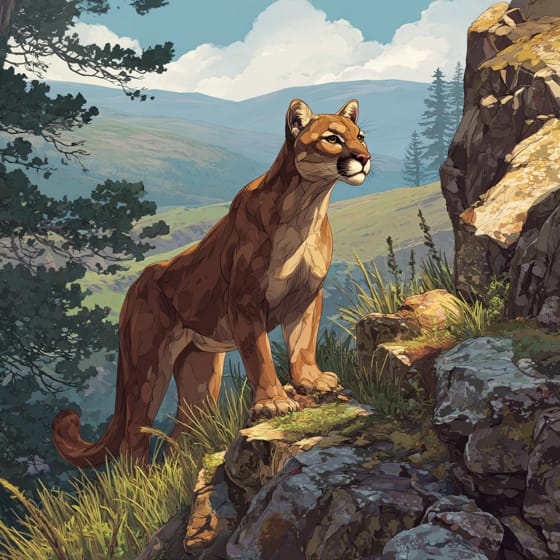
Puma concolor
Depredador principal de adultos y jóvenes en todo su rango.
Lycalopex culpaeus
Depreda crías de guanaco e individuos enfermos.

Vultur gryphus
Carroñea cadáveres de guanaco, una importante fuente de alimento.
Peludo describe a los animales que poseen una cubierta densa de pelo o pelaje suave.
Los animales sociales viven en grupos organizados, cooperando para obtener beneficios de supervivencia como la búsqueda de alimento, la defensa y la cría de descendencia.
Este rasgo caracteriza a los organismos cuya dieta consiste total o principalmente en material vegetal.
Este rasgo de hábitat identifica a las especies que se encuentran en regiones montañosas, caracterizadas por su gran altitud, pendientes pronunciadas y zonas climáticas variables.

Los animales diurnos están activos principalmente durante el día y suelen descansar o dormir por la noche.

Este rasgo identifica a los organismos que exhiben una rapidez excepcional en sus movimientos para cazar, escapar o desplazarse.
Todavía no hay alias listados.
Peligro
2/5 · Bajo
Siempre observa a los guanacos a distancia, ya que son animales salvajes.
La forma más fácil de identificar a Guanaco es usar la aplicación de identificación de naturaleza Snappit.
120-220 cm
90-140 kg
15-20 años
56 km/h
Estos herbívoros mastican pastos, hierbas, arbustos e incluso cactus en sus duros hábitats.
Regiones montañosas
Pastoreo
Acércate para separar los grupos y explorar dónde se ha fotografiado este objeto.
Los snaps recientes aparecerán aquí a medida que se añadan nuevas observaciones.
Llévate el descubrimiento
Haz una foto con Snappit, identifica la especie y guarda el hallazgo en tu colección.





.jpg&width=800)


.JPG&width=800)


.jpg&width=800)
