






Gulf Coast Toad
Incilius nebulifer
The Gulf Coast Toad is a small, bumpy toad that loves to hop around in warm, wet places. They are great at blending in with their surroundings and can be found near ponds and marshes.
Hábitat: Wetlands
The Gulf Coast Toad is a medium-sized amphibian, typically brown, gray, or olive, with darker blotches and a light stripe down its back. It has warty skin and prominent kidney-shaped parotoid glands behind its eyes, which distinguish it from many frogs.
Categoría
AnfibiosRareza
Common
Peligro
1/5 · Muy bajo
Snaps
¡Sé la primera persona en hacer un snap!
Gulf Coast Toad tadpoles sometimes swim in huge groups called 'schools' to look like one big creature!
Their eyes have horizontal pupils, which help them see predators approaching from above!
These toads prefer to walk or make short hops instead of big jumps, unlike many frogs!
They gulp air with tiny movements of their throat, not by breathing through lungs like us!
Gulf Coast Toads have parotoid glands that produce toxins to make predators spit them out quickly.
Gulf Coast Toads have hard 'spades' on their hind feet that help them quickly burrow backwards into soft soil for safety.
Gulf Coast Toads can subtly adjust their skin tone to blend into their surroundings, making them tricky for predators to spot.
These toads are nocturnal hunters, munching on insects and other small invertebrates they find on the ground.
Thamnophis proximus
A common snake predator in its natural habitat.
Bubo virginianus
Nocturnal owls frequently prey on toads at night.
Formica subsericea
Actively hunts and consumes ground-dwelling ants.
Procyon lotor
Omnivorous mammals, like raccoons, will eat toads.
Los animales sociales viven en grupos organizados, cooperando para obtener beneficios de supervivencia como la búsqueda de alimento, la defensa y la cría de descendencia.
El camuflaje describe a los organismos que poseen colores o patrones que les permiten mezclarse con su entorno.
Este rasgo identifica a los organismos cuya dieta consiste principalmente en insectos y otros pequeños invertebrados.
Este rasgo de hábitat identifica especies que se encuentran en humedales, que son áreas de tierra saturadas de agua, ya sea permanente o estacionalmente, e incluyen marismas, pantanos y ciénagas.

Este rasgo caracteriza a los organismos con una esperanza de vida excepcionalmente larga en comparación con otros de su especie.

Los animales nocturnos están principalmente activos durante la noche, y suelen descansar o dormir durante el día.

Describe organismos que transfieren polen, permitiendo la fertilización y reproducción de las plantas.
Todavía no hay alias listados.
Peligro
1/5 · Muy bajo
Always wash your hands after touching a toad, as their skin can be sensitive.
5-13 cm
0.02-0.1 kg
5-10 años
2 km/h
These toads are nocturnal hunters, munching on insects and other small invertebrates they find on the ground.
Wetlands
Ambush
2000-7000
Acércate para separar los grupos y explorar dónde se ha fotografiado este objeto.
Los snaps recientes aparecerán aquí a medida que se añadan nuevas observaciones.
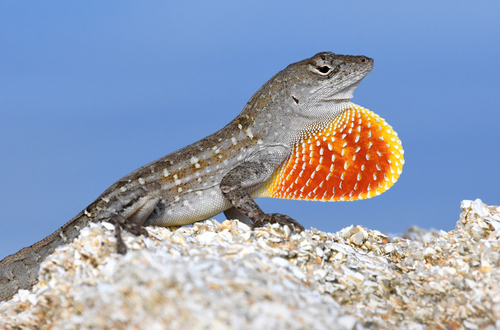
Texas, US
Puedes ver Anolis Castaño, Ardilla Gris Oriental y Abeja.
Ver guía →
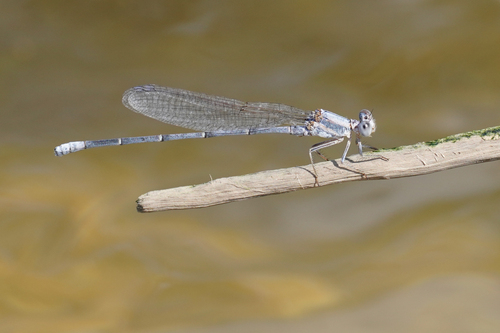
Texas, US
Puedes ver Powdered Dancer y Glassy-Winged Sharpshooter.
Ver guía →
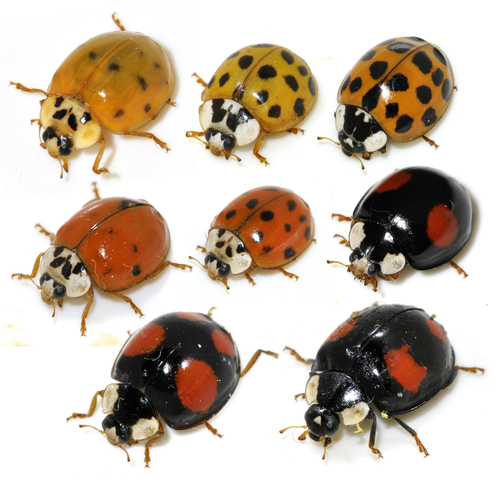
Texas, US
Puedes ver Mariquita Asiática, American Bumble Bee y Cardenal Norteño.
Ver guía →
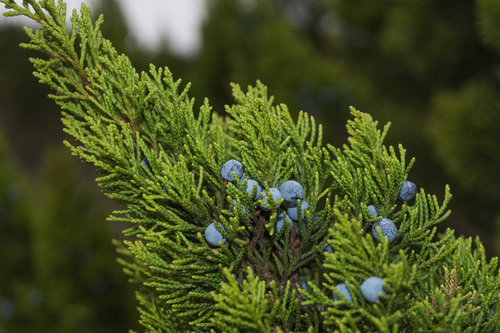
Texas, US
Puedes ver Ashe Juniper, Texas Bluebonnet y Texas Live Oak.
Ver guía →

Texas, US
Puedes ver Cardenal Norteño, Caimán Americano y Northern Cottonmouth.
Ver guía →
.jpg)
Texas, US
Puedes ver Ciervo De Cola Blanca, Agarita y Mapache.
Ver guía →










_-_1.jpg&width=800)


.jpg&width=800)