





Gumbo Limbo
Bursera simaruba
¡El árbol Gumbo Limbo es conocido por su corteza lisa de color marrón rojizo y puede crecer muy alto! Da muy buena sombra y a menudo se le llama el 'árbol del turista' porque su corteza se pela como si estuviera quemada por el sol.
Hábitat: Zonas costeras
El Gumbo Limbo se reconoce fácilmente por su corteza brillante de color marrón rojizo que se descama en finas escamas parecidas al papel, revelando una capa más lisa y de un verde más claro debajo. Tiene una copa irregular y extendida con muchas ramas retorcidas y hojas verdes, compuestas y brillantes.
Categoría
PlantasRareza
Common
Peligro
1/5 · Muy bajo
Snaps
2
Su apodo, "árbol del turista", proviene de su corteza roja y descamada, ¡que recuerda a los turistas quemados por el sol!
¡La resina transparente de su tronco se usaba tradicionalmente como pegamento natural e incluso como barniz!
En su región de origen, su madera ligera a veces se talla para hacer pequeñas canoas o juguetes.
¡Este árbol es pariente del famoso árbol del incienso, conocido por su resina aromática!
El Gumbo Limbo tiene una corteza descamada característica que le ayuda a reflejar la luz solar intensa y a deshacerse de las enredaderas, manteniéndolo sano y despejado.
El Gumbo Limbo puede volver a desarrollar ramas y hojas rápidamente después de sufrir daños graves, lo que le ayuda a recuperarse de forma veloz tras tormentas fuertes como los huracanes.
El Gumbo Limbo puede crecer a partir de esquejes plantados directamente en la tierra, lo que permite a las personas crear cercas vivas que echan raíces y crecen.
Apis mellifera
Visita las flores pequeñas en busca de néctar y polen.
Thraupis episcopus
Se alimenta de los pequeños frutos rojos y esparce las semillas.
Pitangus sulphuratus
Construye nidos entre sus ramas, protegidos por el follaje.
Las plantas caducifolias pierden periódicamente todas sus hojas, por lo general durante el otoño o las estaciones secas.
Las plantas tolerantes a la sombra están adaptadas para crecer y prosperar en áreas con bajos niveles de luz, requiriendo menos luz solar directa.
Las plantas medicinales poseen compuestos químicos que pueden utilizarse con fines terapéuticos para tratar enfermedades o mantener la salud.
Los árboles de hoja ancha son angiospermas caracterizadas por hojas planas y anchas que típicamente se caen anualmente en climas templados.

Las plantas comestibles son aquellas partes de una planta que se consideran seguras para el consumo humano.

Se refiere a la madera que ha sido preparada para su uso en la construcción y la carpintería.

Los hábitats costeros son entornos dinámicos situados a lo largo de la interfaz entre la tierra y el mar, influenciados por las mareas, las olas y el agua salada.

Describe una especie cuya presencia y papel tienen un efecto desproporcionadamente grande en su entorno.
Peligro
1/5 · Muy bajo
Ten cuidado de no tocar demasiado la corteza, ya que puede ser un poco áspera.
La forma más fácil de identificar a Gumbo Limbo es usar la aplicación de identificación de naturaleza Snappit.
1000-2500 cm
500-1500 cm
0.5-1 cm
Spring to early summer, sometimes year-round in tropical climates
Sí
Ninguna
Perenne
Acércate para separar los grupos y explorar dónde se ha fotografiado este objeto.

US
Puedes ver Cormorán Orejudo, Uva De Playa y Garza Azulada.
Ver guía →

Florida, US
Puedes ver Mariposa Julia, Arrayán De Texas y Pavo Real Blanco.
Ver guía →
Florida, US
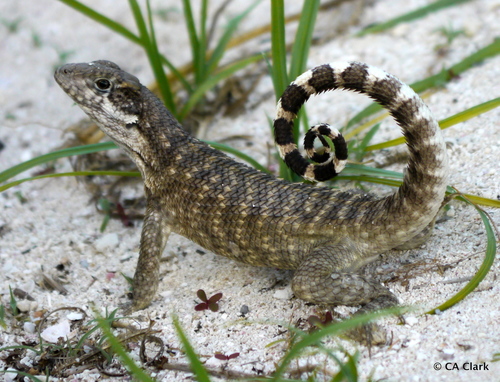
Puedes ver Lagartija De Cola Rizada Del Norte y Iguana Verde.
Ver guía →
Llévate el descubrimiento
Haz una foto con Snappit, identifica la especie y guarda el hallazgo en tu colección.








.jpg&width=800)


_001.jpg&width=800)


