_at_G%C3%B6teborgs_Naturhistoriska_Museum_8980.jpg&width=800)

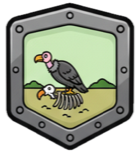



Gyps rueppelli
Gyps rueppelli
El buitre leonado de Rüppell es un ave grande que se eleva alto en el cielo. Tiene un cuello hermoso y esponjoso y una gran envergadura, lo que lo convierte en una vista espectacular mientras planea sobre montañas y valles.
Hábitat: Regiones montañosas
El Gyps rueppelli es un buitre grande de cuello peludo con plumas de color marrón oscuro y una cabeza pálida y plumosa. Sus partes inferiores claras contrastan con las plumas de vuelo más oscuras, y tiene un pico pálido de color cuerno, lo que lo hace parecer diferente de otros buitres oscuros.
Categoría
AvesRareza
Rare
Peligro
1/5 · Muy bajo
Snaps
¡Sé la primera persona en hacer un snap!
Los buitres de Rüppell construyen grandes nidos de palos en peligrosas e inaccesibles paredes de acantilados.
¡A veces cientos de estos buitres se reúnen en una gran comida juntos!
Sus poderosos picos son perfectos para arrancar la piel dura de animales muertos.
¡Estos buitres pueden planear durante horas sin batir sus alas, ahorrando energía!
Gyps rueppelli puede volar a más de 11 kilómetros de altura, lo que les permite detectar comida en vastos paisajes africanos.
Gyps rueppelli tiene un ácido estomacal súper fuerte que destruye las bacterias mortales que se encuentran en las carcasas en descomposición que comen.
Gyps rueppelli puede digerir pequeños fragmentos de hueso, gracias a enzimas especializadas, dejando muy pocos residuos.
Estos buitres son el equipo de limpieza de la naturaleza, alimentándose de animales muertos para mantener el medio ambiente saludable.
Connochaetes taurinus
Consume cadáveres de estos herbívoros africanos comunes.
Equus quagga
Se alimenta de cebras muertas, especialmente después de las migraciones.
Gazella thomsonii
Carroñea gacelas muertas más pequeñas, ayudando a la limpieza del ecosistema.
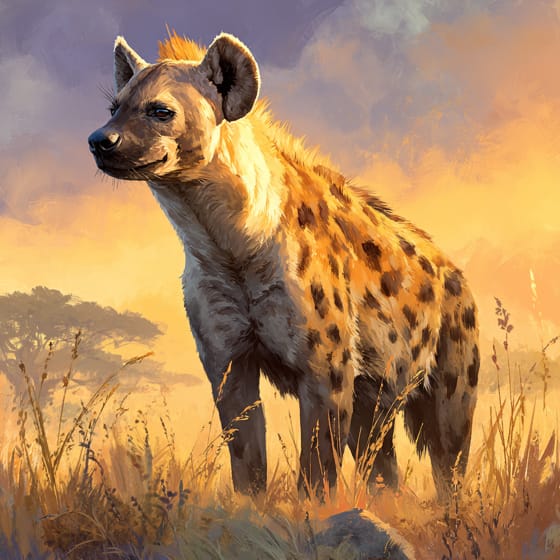
Crocuta crocuta
Compite por la carroña pero ambos ayudan a limpiar cadáveres.
Aquila verreauxii
Los huevos y los polluelos jóvenes pueden ser presa de esta poderosa ave.
Describe a los animales, principalmente aves, que poseen una cubierta de plumas.
Los carroñeros consumen materia orgánica muerta, ayudando a descomponer los cadáveres y otros desechos en el ecosistema.
Este rasgo de hábitat identifica a las especies que se encuentran en regiones montañosas, caracterizadas por su gran altitud, pendientes pronunciadas y zonas climáticas variables.
Este rasgo caracteriza a los organismos con una esperanza de vida excepcionalmente larga en comparación con otros de su especie.

Este rasgo identifica a los organismos cuya dieta consiste total o principalmente en tejido animal.

Los animales diurnos están activos principalmente durante el día y suelen descansar o dormir por la noche.

Los animales migratorios emprenden movimientos estacionales de una región a otra, típicamente en respuesta a cambios en el clima o la disponibilidad de alimentos.

El estado de peligro de extinción indica que una especie corre un riesgo muy alto de extinguirse en estado silvestre en un futuro próximo.
Peligro
1/5 · Muy bajo
Observa siempre a las aves desde lejos y nunca intentes tocarlas.
La forma más fácil de identificar a Gyps rueppelli es usar la aplicación de identificación de naturaleza Snappit.
90-110 cm
260-280 cm
6.4-9 kg
20-30 años
35 km/h
Estos buitres son el equipo de limpieza de la naturaleza, alimentándose de animales muertos para mantener el medio ambiente saludable.
Regiones montañosas
Acércate para separar los grupos y explorar dónde se ha fotografiado este objeto.
Los snaps recientes aparecerán aquí a medida que se añadan nuevas observaciones.
Llévate el descubrimiento
Haz una foto con Snappit, identifica la especie y guarda el hallazgo en tu colección.




.jpg&width=800)








