





Habropoda miserabilis
Habropoda miserabilis
La Habropoda miserabilis, también conocida como la abeja miserable, es un insecto pequeño y peludo al que le encanta zumbar alrededor de las flores. Son importantes para ayudar a las plantas a crecer al esparcir polen.
Hábitat: Praderas
La Habropoda miserabilis es una abeja peluda de tamaño mediano con un cuerpo oscuro cubierto de denso pelo amarillo anaranjado en su tórax, contrastando con un abdomen más oscuro. Tiene alas delicadas y ahumadas y patas robustas adaptadas para cavar. Su apariencia general a veces puede confundirse con un pequeño abejorro.
Categoría
InsectosRareza
Rare
Peligro
2/5 · Bajo
Snaps
¡Sé la primera persona en hacer un snap!
¡Su nombre 'miserabilis' podría venir de lo temprano y frío que aparecen en primavera!
¡Estas abejas están especializadas, solo recolectan alimento de unos pocos tipos de flores específicos!
Son excelentes arquitectas, construyendo túneles individuales y escondidos para cada cría de abeja.
¡Sin estas abejas, algunas de las flores silvestres tempranas más hermosas de California no prosperarían!
Habropoda miserabilis puede 'polinizar por zumbido' vibrando sus músculos de vuelo, sacudiendo el polen de flores inaccesibles para otras abejas.
Habropoda miserabilis tiene un reloj interno único que les ayuda a emerger y buscar néctar muy temprano en la primavera.
Habropoda miserabilis puede cavar nidos intrincados en el suelo debido a sus fuertes patas, creando hogares seguros para sus crías.
Estas abejas beben néctar de flores para obtener energía y recolectan polen para alimentar a sus larvas en crecimiento.
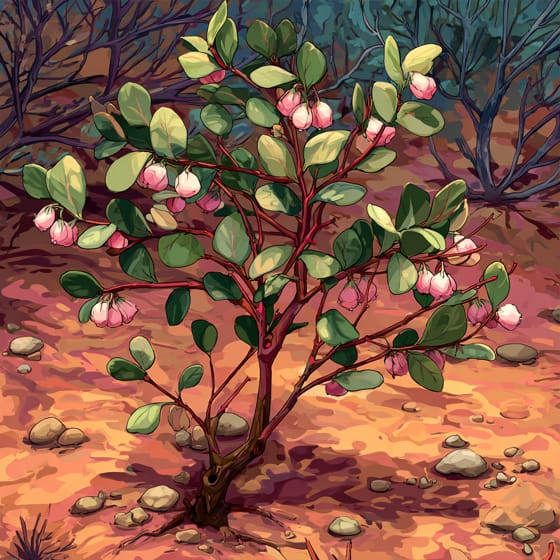
Arctostaphylos manzanita
Fuente primaria de polen y néctar
Cercocarpus betuloides
Una importante fuente de alimento de principios de temporada
Bombylius major
Las larvas a menudo parasitan nidos de abejas
Formica fusca
Las hormigas pueden asaltar nidos de abejas
Peludo describe a los animales que poseen una cubierta densa de pelo o pelaje suave.
Los animales sociales viven en grupos organizados, cooperando para obtener beneficios de supervivencia como la búsqueda de alimento, la defensa y la cría de descendencia.
Este rasgo caracteriza a los organismos cuya dieta consiste total o principalmente en material vegetal.
Describe plantas que son particularmente atractivas y beneficiosas para una amplia variedad de organismos polinizadores.

Los hábitats de pastizales son biomas terrestres dominados por pastos y plantas herbáceas, que sustentan a una variedad de animales de pastoreo.

Los animales diurnos están activos principalmente durante el día y suelen descansar o dormir por la noche.

Describe una especie cuya presencia y papel tienen un efecto desproporcionadamente grande en su entorno.

Describe organismos que transfieren polen, permitiendo la fertilización y reproducción de las plantas.
Peligro
2/5 · Bajo
Sé suave y silencioso alrededor de las abejas, y generalmente te dejarán en paz.
La forma más fácil de identificar a Habropoda miserabilis es usar la aplicación de identificación de naturaleza Snappit.
15-20 mm
8-12 mm
30-60 días
15 km/h
Estas abejas beben néctar de flores para obtener energía y recolectan polen para alimentar a sus larvas en crecimiento.
Praderas
Búsqueda De Alimento
Acércate para separar los grupos y explorar dónde se ha fotografiado este objeto.
Los snaps recientes aparecerán aquí a medida que se añadan nuevas observaciones.
Llévate el descubrimiento
Haz una foto con Snappit, identifica la especie y guarda el hallazgo en tu colección.






.jpg&width=800)



