Hackberry Emperor
Asterocampa celtis
The Hackberry Emperor is a beautiful butterfly with orange and brown wings. It loves to flutter around in sunny spots and can often be seen resting on tree trunks.
Hábitat: Forests
The Hackberry Emperor is a medium-sized butterfly, featuring mottled gray-brown or brownish-orange wings with a few small, pale spots and dark markings. Its underside is cryptically patterned, allowing it to blend seamlessly with tree bark, particularly the hackberry tree.
Categoría
InsectosRareza
Common
Peligro
1/5 · Muy bajo
Snaps
¡Sé la primera persona en hacer un snap!
Adult Hackberry Emperors almost never drink nectar from flowers.
Their caterpillars wear a "head crown" with two tiny, branched horns.
These butterflies love to land on people, tasting their skin with their feet!
They often "dance" together in the air, especially in the afternoon sun!
Hackberry Emperor has mottled gray-brown wings that help them perfectly camouflage on tree trunks, making them very hard to spot.
Hackberry Emperor can sip on tree sap, rotting fruit, or even animal droppings because of its specialized proboscis, helping them get nutrients.
Hackberry Emperor can use its clubbed antennae to detect host plants and find suitable mates, helping them navigate their world.
Caterpillars munch hackberry leaves; adults prefer tree sap, rotting fruit, and other liquids.
Diferencias por edad: Larvae are herbivorous, feeding on hackberry leaves. Adults are saprophagous/scavengers, drinking tree sap, rotting fruit, and animal waste.
Celtis occidentalis
Caterpillars eat its leaves; adults feed on its sap and perch.
Cyanocitta cristata
Blue Jays prey on caterpillars and adult butterflies.
Cotesia congregata
Parasitic wasps lay eggs on caterpillars, consuming them from within.
Didelphis virginiana
Opossums can consume larvae and pupae when foraging.
Los animales solitarios viven solos durante la mayor parte de su vida y solo interactúan con otros para aparearse o cuidar de sus crías.
Colorido describe a organismos u objetos que exhiben una amplia variedad de colores brillantes y distintivos.
Este rasgo caracteriza a los organismos cuya dieta consiste total o principalmente en material vegetal.
Describe plantas que son particularmente atractivas y beneficiosas para una amplia variedad de organismos polinizadores.

Los hábitats boscosos son entornos terrestres dominados por una densa cubierta arbórea, que sustentan una gran diversidad de vida animal y vegetal.

Los animales diurnos están activos principalmente durante el día y suelen descansar o dormir por la noche.

Describe organismos que transfieren polen, permitiendo la fertilización y reproducción de las plantas.
Peligro
1/5 · Muy bajo
Butterflies are gentle creatures, but it's best to watch them without touching.
45-65 mm
20-30 mm
15-20 días
Caterpillars munch hackberry leaves; adults prefer tree sap, rotting fruit, and other liquids.
Forests
Foraging
6
Acércate para separar los grupos y explorar dónde se ha fotografiado este objeto.
Los snaps recientes aparecerán aquí a medida que se añadan nuevas observaciones.
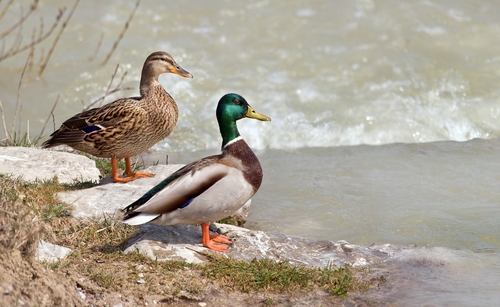
Michigan, US
Puedes ver Pato, Jack-In-The-Pulpit y Mayapple.
Ver guía →
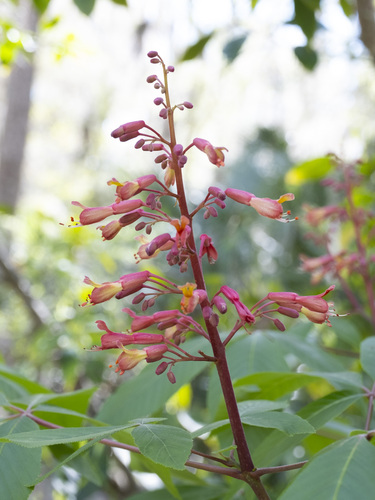
Tennessee, US
Puedes ver Red Buckeye, Aniseroot y Christmas Fern.
Ver guía →

Ontario, CA
Puedes ver Golondrina Común y Northern Yellow Warbler.
Ver guía →