






Hairy Bittercress
cardamine hirsuta
Hairy Bittercress is a small plant with pretty white flowers that bloom in the spring. It's fun to spot in gardens and parks because it often grows in clusters!
Hábitat: Moist and shady places like gardens, parks, and woodlands.
The Hairy Bittercress is a small, low-growing plant with a rosette of lobed, dark green leaves often tinged purple at the base. It has slender stems topped with clusters of tiny white, four-petaled flowers, which distinguish it from many larger garden weeds.
Categoría
PlantasRareza
Common
Peligro
0/5 · Sin peligro conocido
Snaps
¡Sé la primera persona en hacer un snap!
Even when cut back, this plant can quickly regrow and produce more seeds!
It can produce over 5,000 tiny seeds from just one plant in a single season!
Its peppery leaves are a favorite addition to salads, adding a zesty mustard flavor.
The 'bittercress' part of its name comes from its slightly bitter, peppery taste.
Hairy Bittercress can launch its seeds up to several meters away using spring-loaded pods, helping it spread rapidly across areas.
This plant can germinate and grow even in cold winter months, giving it a head start over many other plants in spring.
Hairy Bittercress matures and produces seeds incredibly fast, allowing it to complete its life cycle before competitors take over.

Helix aspersa
Snails often munch on its leaves.
Arion lusitanicus
Slugs are known to feed on its foliage.
Apis mellifera
Honey bees visit its small white flowers.
Colorido describe a organismos u objetos que exhiben una amplia variedad de colores brillantes y distintivos.
Este rasgo caracteriza a los organismos cuya dieta consiste total o principalmente en material vegetal.
Los hábitats de pastizales son biomas terrestres dominados por pastos y plantas herbáceas, que sustentan a una variedad de animales de pastoreo.
Los hábitats boscosos son entornos terrestres dominados por una densa cubierta arbórea, que sustentan una gran diversidad de vida animal y vegetal.

Describe organismos que transfieren polen, permitiendo la fertilización y reproducción de las plantas.
Peligro
0/5 · Sin peligro conocido
Todavía no hay notas especiales de seguridad.
5-30 cm
10-20 cm
0.2-0.4 cm
Spring to autumn
Sí
Ninguna
Anual
Autopolinización
Acércate para separar los grupos y explorar dónde se ha fotografiado este objeto.
Los snaps recientes aparecerán aquí a medida que se añadan nuevas observaciones.
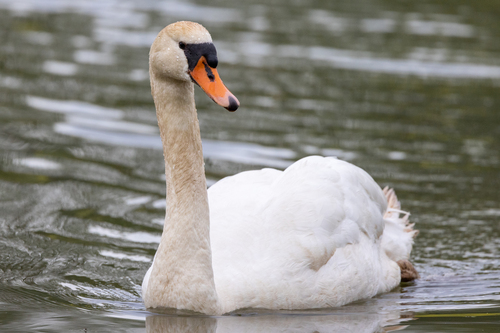
New York, US
Puedes ver Cisne Vulgar, Pato y Gorrión Común.
Ver guía →
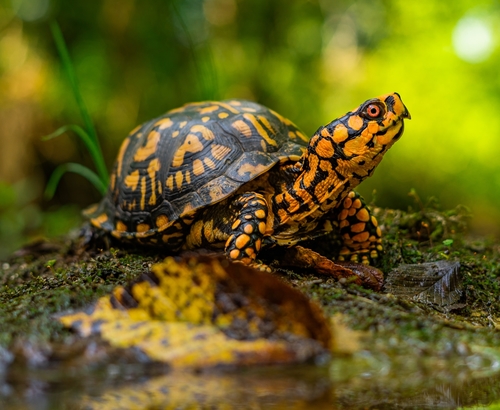
Virginia, US
Puedes ver Tortuga De Caja Oriental, Sicómoro y Grape Family.
Ver guía →
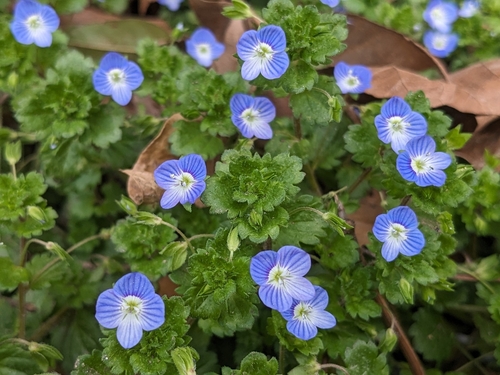
Virginia, US
Puedes ver Bird's-Eye Speedwell, Mulberries y Hairy-Headed Acrobat Ant.
Ver guía →











.jpg&width=800)




