Hairy Long-Nosed Armadillo
dasypus pilosus
The Hairy Long-Nosed Armadillo has a special long nose that helps it dig for tasty insects in the ground. With its furry coat and unique look, it's a fun creature to learn about!
Hábitat: They live in grasslands and forests in South America.
The Hairy Long-Nosed Armadillo has a dark brown to blackish shell, covered in thick, bristly hair, especially on its underside. Its most distinctive feature is its long, pig-like snout, making it look quite different from other armadillo species.
Categoría
MamíferosRareza
Common
Peligro
1/5 · Muy bajo
Snaps
¡Sé la primera persona en hacer un snap!
Its long snout is perfect for vacuuming up ants and termites!
They often give birth to identical quadruplets from a single egg!
This armadillo walks on the tips of its claws, not its whole foot!
Wow! This armadillo can hold its breath for up to six minutes!
Hairy Long-Nosed Armadillo can dig incredible burrows using its strong claws that help them find food and stay safe.
Hairy Long-Nosed Armadillo has a unique hairy shell that helps them stay warm and protects them from predators.
This furry friend loves to slurp up ants and termites using its long, sticky tongue!
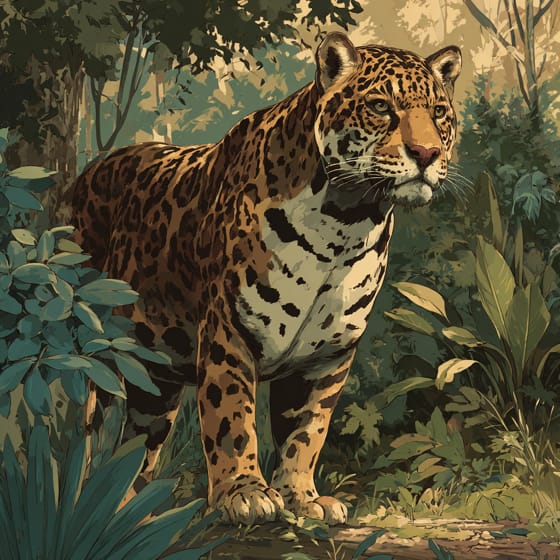
Panthera onca
Major predator in its South American range.
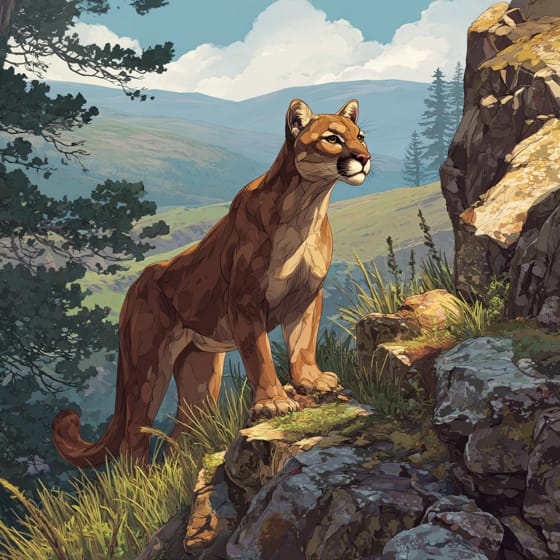
Puma concolor
Hunts armadillos and other small mammals.
Atta cephalotes
A primary food source for this armadillo.
Peludo describe a los animales que poseen una cubierta densa de pelo o pelaje suave.
Los animales solitarios viven solos durante la mayor parte de su vida y solo interactúan con otros para aparearse o cuidar de sus crías.
Este rasgo identifica organismos cuya dieta incluye tanto materia vegetal como animal.
Los animales excavadores cavan túneles y cámaras en el suelo y utilizan estas estructuras subterráneas para refugiarse, cazar o reproducirse.

Los animales nocturnos están principalmente activos durante la noche, y suelen descansar o dormir durante el día.
Peligro
1/5 · Muy bajo
Todavía no hay notas especiales de seguridad.
30-45 cm
2-5 kg
8-12 años
15 km/h
This furry friend loves to slurp up ants and termites using its long, sticky tongue!
They live in grasslands and forests in South America.
Foraging
1-4
Acércate para separar los grupos y explorar dónde se ha fotografiado este objeto.
Los snaps recientes aparecerán aquí a medida que se añadan nuevas observaciones.