






hairy manzanita
Arctostaphylos columbiana
The hairy manzanita is a special shrub with beautiful, reddish-brown bark and shiny green leaves. It grows small, pinkish flowers that turn into tasty berries, making it a favorite for birds and other animals.
Hábitat: Mountain regions
The hairy manzanita has reddish-brown, smooth bark that peels, and distinctive hairy stems and leaves. Its clusters of tiny, bell-shaped pink or white flowers ripen into bright red berries, standing out against its leathery, evergreen foliage.
Categoría
PlantasRareza
Common
Peligro
1/5 · Muy bajo
Snaps
¡Sé la primera persona en hacer un snap!
"Manzanita" means "little apple" in Spanish, referring to its small, apple-like berries!
Its bark constantly peels away in thin strips, revealing new, smoother, reddish layers underneath.
Native peoples traditionally ground the dried berries into a meal or made a refreshing cider drink.
This evergreen shrub can live for hundreds of years, becoming a grand, gnarled fixture in its habitat.
Hairy manzanita can resprout vigorously from its woody base after wildfires, helping it thrive in fire-prone landscapes.
Its fuzzy leaves and stems trap moisture and reduce water loss, allowing it to survive dry, arid conditions.
The thick, leathery leaves are angled to minimize direct sunlight, protecting the plant from intense solar radiation.
Apis mellifera
Collects nectar from its bell-shaped flowers.

Toxostoma redivivum
Feeds on its sweet, ripe berries in winter.
Odocoileus hemionus
Browses on its evergreen leaves and twigs.
.jpg&width=800)
Selasphorus rufus
Sips nectar from early blooming flowers.
Las plantas con flores son cualquier planta que produce flores como parte de su ciclo reproductivo.
Un arbusto es una planta leñosa más pequeña que un árbol, típicamente con múltiples tallos que se ramifican desde o cerca del suelo.
Las plantas de hoja perenne conservan su follaje durante todo el año, sin perder nunca todas sus hojas a la vez.
Las plantas frutales producen frutos, que son los ovarios maduros de las plantas con flores que contienen semillas.

Las plantas tolerantes a la sequía pueden sobrevivir y florecer en condiciones de escasa disponibilidad de agua.

Las plantas comestibles son aquellas partes de una planta que se consideran seguras para el consumo humano.

Describe plantas que son particularmente atractivas y beneficiosas para una amplia variedad de organismos polinizadores.

Este rasgo de hábitat identifica a las especies que se encuentran en regiones montañosas, caracterizadas por su gran altitud, pendientes pronunciadas y zonas climáticas variables.

Este rasgo caracteriza a los organismos con una esperanza de vida excepcionalmente larga en comparación con otros de su especie.

Describe una especie cuya presencia y papel tienen un efecto desproporcionadamente grande en su entorno.
Todavía no hay alias listados.
Peligro
1/5 · Muy bajo
Always look but don't touch the plants in nature. Some can be prickly or have berries that aren't safe to eat.
100-500 cm
100-400 cm
0.5-0.7 cm
Winter-early spring
Sí
Ninguna
Perenne
Insectos
Acércate para separar los grupos y explorar dónde se ha fotografiado este objeto.
Los snaps recientes aparecerán aquí a medida que se añadan nuevas observaciones.
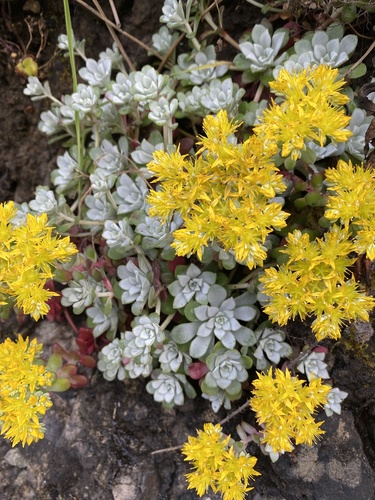
British Columbia, CA
Puedes ver Broad-Leaved Stonecrop y Littleleaf Silverback.
Ver guía →

British Columbia, CA
Puedes ver Canada Jay, Pink Mountainheath y Yellow-Pine Chipmunk.
Ver guía →

British Columbia, CA
Puedes ver Western Rattlesnake Plantain, Fairy-Slipper y Serpentine Fern.
Ver guía →
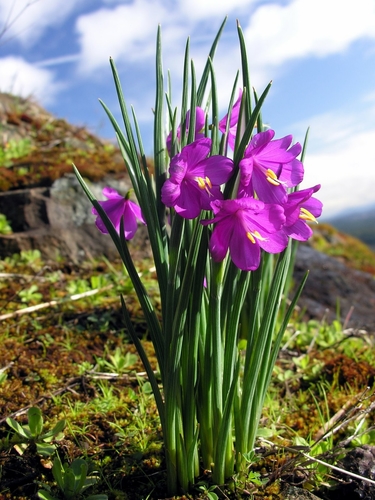
British Columbia, CA
Puedes ver Grasswidow, Broad-Leaved Stonecrop y Rustyhair Saxifrage.
Ver guía →
British Columbia, CA
Puedes ver Broad-Leaved Stonecrop y Western Rattlesnake Plantain.
Ver guía →















