





Haploa
haploa
La Haploa es una oruga colorida que se puede encontrar en varias plantas. ¡A los niños les encantará verla masticando hojas y preparándose para convertirse en una hermosa polilla!
Hábitat: Las orugas Haploa viven en jardines, bosques y áreas con césped, masticando hojas.
La Haploa tiene alas con patrones llamativos, típicamente con marcas audaces negras, marrones o naranjas sobre un fondo contrastante blanco, crema o amarillo. Estos patrones distintos, a menudo intrincados, son únicos para diferentes especies dentro del género, haciéndolas visualmente diferentes de las polillas de color sólido.
Categoría
InsectosRareza
Common
Peligro
1/5 · Muy bajo
Snaps
¡Sé la primera persona en hacer un snap!
¡Las orugas Haploa a veces se acurrucan y se hacen las muertas cuando se asustan!
¡Muchas polillas Haploa adultas tienen piezas bucales demasiado pequeñas para comer algo!
¡Algunas orugas Haploa pueden comer plantas que son tóxicas para otros animales!
Sus audaces patrones de alas advierten a pájaros y murciélagos que se mantengan alejados.
Las orugas Haploa mastican hojas de plantas, ¡pero las polillas adultas normalmente no comen nada!
Diferencias por edad: Las larvas son herbívoras, alimentándose de varias hojas de plantas, mientras que las polillas adultas suelen tener piezas bucales vestigiales y no se alimentan.
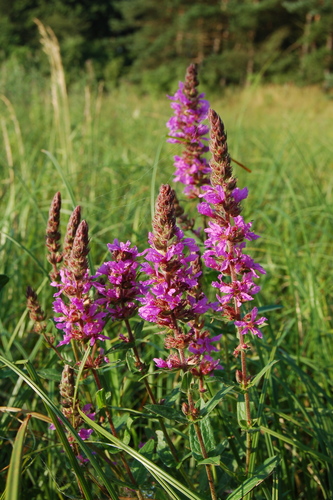
Eupatorium maculatum
Las larvas se alimentan de hojas.
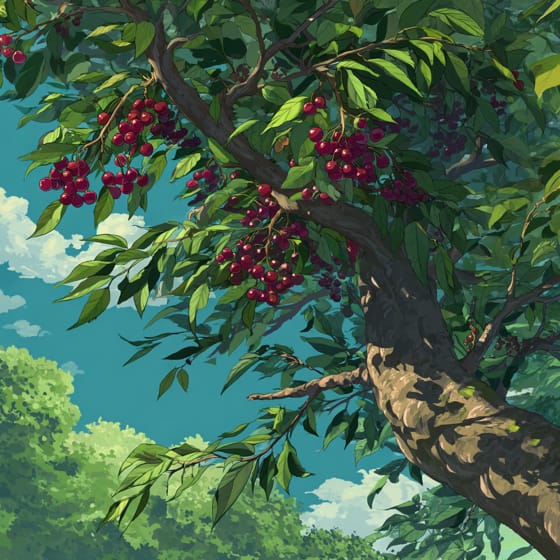
Prunus serotina
Las orugas consumen follaje.
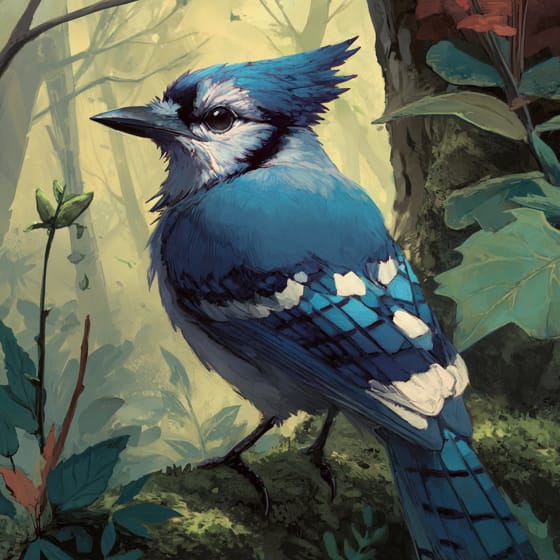
Cyanocitta cristata
Las aves pueden depredar polillas.
Myotis lucifugus
Los murciélagos cazan polillas adultas.
Los animales solitarios viven solos durante la mayor parte de su vida y solo interactúan con otros para aparearse o cuidar de sus crías.
Colorido describe a organismos u objetos que exhiben una amplia variedad de colores brillantes y distintivos.
Este rasgo caracteriza a los organismos cuya dieta consiste total o principalmente en material vegetal.
Los hábitats boscosos son entornos terrestres dominados por una densa cubierta arbórea, que sustentan una gran diversidad de vida animal y vegetal.

Los animales diurnos están activos principalmente durante el día y suelen descansar o dormir por la noche.
Peligro
1/5 · Muy bajo
Todavía no hay notas especiales de seguridad.
La forma más fácil de identificar a Haploa es usar la aplicación de identificación de naturaleza Snappit.
35-55 mm
25-40 mm
7-14 días
Las orugas Haploa mastican hojas de plantas, ¡pero las polillas adultas normalmente no comen nada!
Las orugas Haploa viven en jardines, bosques y áreas con césped, masticando hojas.
Forrajeo
6
Acércate para separar los grupos y explorar dónde se ha fotografiado este objeto.
Los snaps recientes aparecerán aquí a medida que se añadan nuevas observaciones.
Llévate el descubrimiento
Haz una foto con Snappit, identifica la especie y guarda el hallazgo en tu colección.







.jpg&width=800)


