





Harpalus
Harpalus
Harpalus es un tipo de escarabajo al que le encanta explorar el suelo. A menudo se encuentra en jardines y campos, ayudando a mantener el suelo sano al comer plagas.
Hábitat: Praderas
El Harpalus es típicamente un escarabajo de color oscuro, a menudo negro o negro parduzco, a veces con un brillo metálico o patas y antenas ligeramente rojizas. Tiene un cuerpo algo aplanado, de forma ovalada, mandíbulas potentes distintivas y patas largas y esbeltas adaptadas para correr rápidamente por el suelo.
Categoría
InsectosRareza
Common
Peligro
1/5 · Muy bajo
Snaps
¡Sé la primera persona en hacer un snap!
Los escarabajos Harpalus ayudan a los jardines comiendo muchas semillas de malas hierbas comunes.
¡Algunos escarabajos Harpalus pueden emitir un débil chirrido para ahuyentar a los atacantes!
¡Sus larvas viven escondidas bajo tierra y son pequeños y feroces depredadores!
Pueden volar bastante lejos para encontrar nuevos hogares o evitar amenazas.
Estos escarabajos son omnívoros, disfrutando tanto de semillas de plantas como de pequeños insectos.
Diferencias por edad: Las larvas son principalmente depredadoras, mientras que los adultos consumen tanto semillas como pequeños invertebrados.
Poa annua
Consume sus semillas, actuando como control de malas hierbas.
Aphis gossypii
Depreda estos pequeños insectos, especialmente en estado larval.
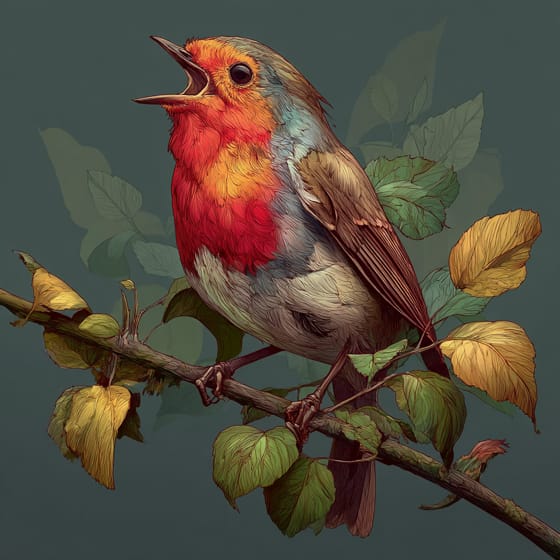
Turdus migratorius
Un depredador aviar común en muchos hábitats.
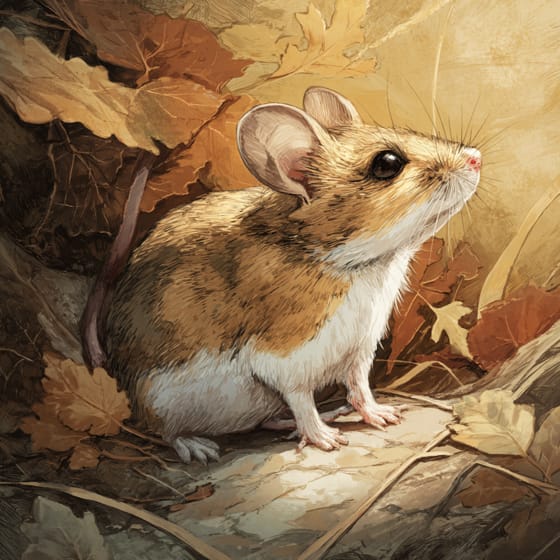
Peromyscus maniculatus
Pequeños mamíferos depredan escarabajos de tierra.
Este rasgo identifica a los organismos cuya dieta consiste principalmente en insectos y otros pequeños invertebrados.
Los hábitats de pastizales son biomas terrestres dominados por pastos y plantas herbáceas, que sustentan a una variedad de animales de pastoreo.
Describe a los organismos que descomponen la materia orgánica muerta, reciclando los nutrientes de vuelta al ecosistema.
Los animales diurnos están activos principalmente durante el día y suelen descansar o dormir por la noche.

Describe una especie cuya presencia y papel tienen un efecto desproporcionadamente grande en su entorno.

Relativo a especies que son significativamente más pequeñas que lo típico o promedio de su tipo.

Este rasgo identifica a los organismos que exhiben una rapidez excepcional en sus movimientos para cazar, escapar o desplazarse.

Relativo a los organismos que emiten luz a través de la bioluminiscencia o la fluorescencia.

Describe organismos que transfieren polen, permitiendo la fertilización y reproducción de las plantas.
Todavía no hay alias listados.
Peligro
1/5 · Muy bajo
Los escarabajos Harpalus son amigables y seguros de observar. Simplemente obsérvalos a distancia.
La forma más fácil de identificar a Harpalus es usar la aplicación de identificación de naturaleza Snappit.
10-35 mm
5-18 mm
60-365 días
5-12 km/h
Estos escarabajos son omnívoros, disfrutando tanto de semillas de plantas como de pequeños insectos.
Praderas
Forrajeo
Acércate para separar los grupos y explorar dónde se ha fotografiado este objeto.
Los snaps recientes aparecerán aquí a medida que se añadan nuevas observaciones.
Llévate el descubrimiento
Haz una foto con Snappit, identifica la especie y guarda el hallazgo en tu colección.







.jpg&width=800)



