





Heliomata glarearia
Heliomata glarearia
La Heliomata glarearia es una pequeña polilla a la que le encanta mimetizarse con su entorno. Tiene hermosos patrones en sus alas que la ayudan a esconderse de los depredadores durante el día.
Hábitat: Pastizales
La Heliomata glarearia es una polilla pequeña y llamativa con alas de color marrón oscuro o negro, marcadas de forma destacada por dos franjas blancas o crema en las alas anteriores y una sola franja en las alas posteriores. Su cabeza y tórax suelen tener un tono naranja amarillento, lo que la hace fácil de distinguir de otras polillas.
Categoría
InsectosRareza
Common
Peligro
1/5 · Muy bajo
Snaps
¡Sé la primera persona en hacer un snap!
¡Las crías de la polilla solar son orugas que mastican sabrosas hojas de sinforina!
¡Utilizan miles de diminutas escamas alares para crear sus llamativos patrones!
¡El nombre científico de esta polilla significa "mancha solar" debido a su vuelo diurno bajo el sol brillante!
¡Podrías confundir a esta pequeña polilla con una mariposa cuando vuela bajo el sol!
La Heliomata glarearia puede volar activamente y buscar alimento bajo la luz brillante del sol, a diferencia de la mayoría de las polillas, ya que se ha adaptado a la actividad diurna.
La Heliomata glarearia tiene patrones de alas en blanco y negro de alto contraste que la ayudan a señalar su presencia a posibles parejas o depredadores en áreas abiertas y soleadas.
La Heliomata glarearia puede alimentarse hábilmente del néctar de las flores, lo que la ayuda a obtener energía y, sin querer, contribuye a la polinización de las plantas.
Los adultos liban el néctar de las flores; las orugas mastican hojas.
Diferencias por edad: Las orugas comen hojas; los adultos beben néctar de flores.
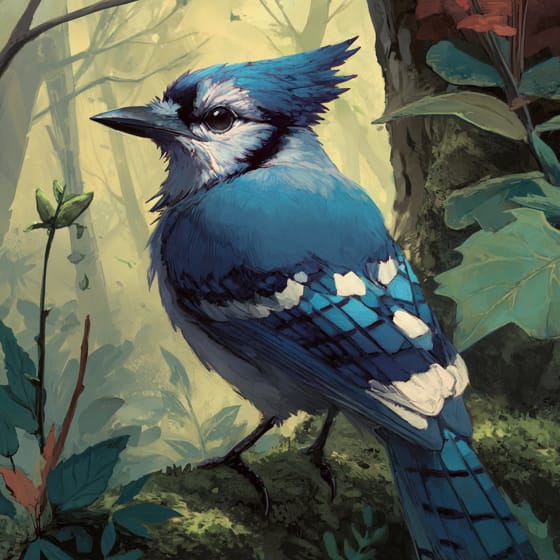
Cyanocitta cristata
Las polillas adultas son una fuente de alimento para muchas especies de aves.
Symphoricarpos albus
Sus orugas se alimentan exclusivamente de las hojas de este arbusto.
Lonicera dioica
Las larvas dependen de sus hojas para alimentarse.
Los animales solitarios viven solos durante la mayor parte de su vida y solo interactúan con otros para aparearse o cuidar de sus crías.
El camuflaje describe a los organismos que poseen colores o patrones que les permiten mezclarse con su entorno.
Colorido describe a organismos u objetos que exhiben una amplia variedad de colores brillantes y distintivos.
Este rasgo caracteriza a los organismos cuya dieta consiste total o principalmente en material vegetal.

Describe plantas que son particularmente atractivas y beneficiosas para una amplia variedad de organismos polinizadores.

Los hábitats de pastizales son biomas terrestres dominados por pastos y plantas herbáceas, que sustentan a una variedad de animales de pastoreo.

Los animales diurnos están activos principalmente durante el día y suelen descansar o dormir por la noche.

Describe organismos que transfieren polen, permitiendo la fertilización y reproducción de las plantas.
Peligro
1/5 · Muy bajo
Por lo general, es seguro observar a las polillas, pero no las toques, ya que pueden ser muy delicadas.
La forma más fácil de identificar a Heliomata glarearia es usar la aplicación de identificación de naturaleza Snappit.
20-25 mm
8-12 mm
7-14 días
8 km/h
Los adultos liban el néctar de las flores; las orugas mastican hojas.
Pastizales
Búsqueda De Alimento
Acércate para separar los grupos y explorar dónde se ha fotografiado este objeto.
Los snaps recientes aparecerán aquí a medida que se añadan nuevas observaciones.
Llévate el descubrimiento
Haz una foto con Snappit, identifica la especie y guarda el hallazgo en tu colección.






.jpg&width=800)



