






Helmeted Curassow
Pauxi pauxi
The Helmeted Curassow is a large, colorful bird with a unique helmet-like crest on its head. It loves to roam in the forests and is known for its loud calls that echo through the trees.
Hábitat: Forests
The Helmeted Curassow is a large, striking black bird with a distinctive blue-grey, bulbous casque on its head. It also features a white lower belly and a red-tipped bill, making it visually unique among forest birds.
Categoría
AvesRareza
Rare
Peligro
1/5 · Muy bajo
Snaps
¡Sé la primera persona en hacer un snap!
Helmeted Curassows are ground nesters, laying their two large eggs directly on the forest floor.
Its unique 'helmet' is actually hollow bone, not solid, making it surprisingly light!
These birds use their strong feet to scratch through leaf litter, finding hidden snacks.
They are monogamous birds, often staying with the same partner for many breeding seasons!
Helmeted Curassow has a hollow casque that helps them amplify their deep, booming calls across the dense forest.
Helmeted Curassow can fly short distances and use strong legs to navigate dense undergrowth, reaching food sources.
Helmeted Curassow helps spread seeds because of eating fruits, which aids forest regeneration.
An omnivore, this bird mainly eats fallen fruits, seeds, and the occasional insect found on the forest floor.
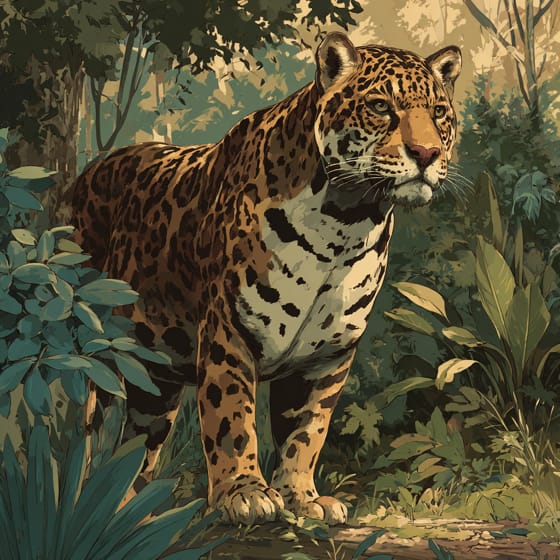
Panthera onca
Jaguars are predators of adult curassows.
Harpia harpyja
Chicks and juveniles may be hunted by eagles.
Attalea butyracea
Disperses palm seeds after consuming fruits.
Crestado describe a los animales que poseen un mechón prominente de plumas, pelo o piel en la cabeza.
Los animales solitarios viven solos durante la mayor parte de su vida y solo interactúan con otros para aparearse o cuidar de sus crías.
Los animales arborícolas viven principalmente en los árboles, utilizándolos como refugio, alimento y protección contra los depredadores.
Colorido describe a organismos u objetos que exhiben una amplia variedad de colores brillantes y distintivos.

Este rasgo caracteriza a los organismos cuya dieta consiste total o principalmente en material vegetal.

Los hábitats boscosos son entornos terrestres dominados por una densa cubierta arbórea, que sustentan una gran diversidad de vida animal y vegetal.

Los animales diurnos están activos principalmente durante el día y suelen descansar o dormir por la noche.

El estado de peligro de extinción indica que una especie corre un riesgo muy alto de extinguirse en estado silvestre en un futuro próximo.
Todavía no hay alias listados.
Peligro
1/5 · Muy bajo
Always watch birds from a distance and do not try to touch them.
85-95 cm
120-150 cm
2.3-4.5 kg
10-15 años
An omnivore, this bird mainly eats fallen fruits, seeds, and the occasional insect found on the forest floor.
Forests
Foraging
2
Acércate para separar los grupos y explorar dónde se ha fotografiado este objeto.
Los snaps recientes aparecerán aquí a medida que se añadan nuevas observaciones.












.jpg&width=800)
