henbit deadnettle
Lamium amplexicaule
Henbit deadnettle is a pretty little plant with purple flowers that bloom in spring. It grows close to the ground and can be found in gardens and fields, making it a cheerful sight for everyone!
Hábitat: Urban areas
The henbit deadnettle has distinct square stems and round to heart-shaped leaves that directly clasp the stem, particularly the upper ones. Its small, tubular, purplish-pink flowers are arranged in whorls around the stem in the leaf axils. It often forms low, sprawling mats of green foliage.
Categoría
PlantasRareza
Common
Peligro
1/5 · Muy bajo
Snaps
¡Sé la primera persona en hacer un snap!
Henbit flowers look like tiny snapdragon faces peeking out!
It's one of the first wild edibles to forage in early spring!
Its square stems are unique; try rolling one between your fingers!
The plant's name 'henbit' comes from chickens loving to eat its leaves!
Henbit deadnettle can bloom very early, providing vital nectar for hungry pollinators when few other flowers are available.
Henbit deadnettle has hidden flowers that self-pollinate, ensuring it can always produce seeds even without insect visitors.
Henbit deadnettle can sprout and grow in cool weather, thriving as a winter annual when many other plants are dormant.
Apis mellifera
collects nectar and pollen
Bombus impatiens
visits flowers for nectar
Homo sapiens
leaves and flowers are edible
Deroceras reticulatum
grazes on foliage
Las plantas con flores son cualquier planta que produce flores como parte de su ciclo reproductivo.
Las plantas de floración primaveral producen sus flores durante la temporada de primavera, lo que a menudo significa el final del invierno y el comienzo de un nuevo crecimiento.
Las flores fragantes emiten un aroma agradable, a menudo para atraer polinizadores o como defensa.
Colorido describe a organismos u objetos que exhiben una amplia variedad de colores brillantes y distintivos.

Las plantas comestibles son aquellas partes de una planta que se consideran seguras para el consumo humano.

Las plantas de crecimiento rápido exhiben tasas de crecimiento aceleradas, aumentando rápidamente de tamaño y biomasa en un corto período de tiempo.

Describe plantas que son particularmente atractivas y beneficiosas para una amplia variedad de organismos polinizadores.

Esta característica de hábitat indica especies que pueden coexistir con los humanos en entornos urbanos y suburbanos, utilizando estructuras artificiales y espacios verdes.
Todavía no hay alias listados.
Peligro
1/5 · Muy bajo
It's safe to look at and touch, but don't eat any plants without asking an adult.
10-30 cm
15-45 cm
0.5-1.5 cm
Late_winter_to_late_spring
Sí
Ninguna
Anual
Insectos
Acércate para separar los grupos y explorar dónde se ha fotografiado este objeto.
Los snaps recientes aparecerán aquí a medida que se añadan nuevas observaciones.
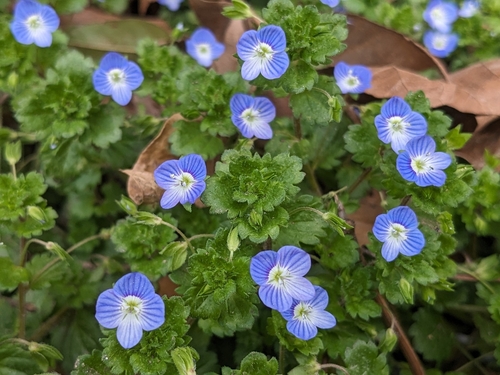
Virginia, US
Puedes ver Bird's-Eye Speedwell, Mulberries y Hairy-Headed Acrobat Ant.
Ver guía →

Massachusetts, US
Puedes ver White Mulberry, Paloma Huilota y Eastern Black Carpenter Ant.
Ver guía →

District of Columbia, US
Puedes ver Pato, Ardilla Gris Oriental y Barnacla Canadiense.
Ver guía →
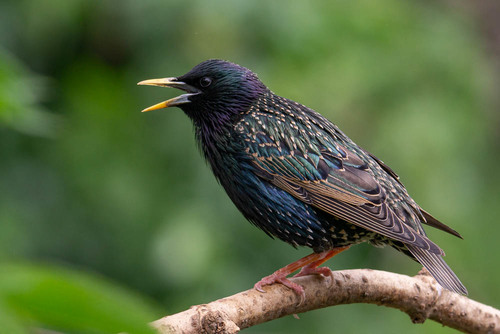
New York, US
Puedes ver Estornino Europeo, Henbit Deadnettle y Red Deadnettle.
Ver guía →
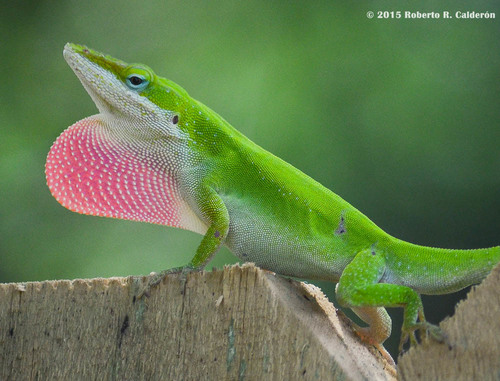
California, US
Puedes ver Anolis Verde, Chinese Privet y Pato Criollo.
Ver guía →

District of Columbia, US
Puedes ver Ardilla Gris Oriental, Gorrión Común y Petirrojo Americano.
Ver guía →















_Sesbania_punicea_-_Les_Martels%2C_Giroussens_Tarn.jpg&width=800)