





Herpetogramma aquilonalis
Herpetogramma aquilonalis
La Herpetogramma aquilonalis es una pequeña polilla colorida a la que le encanta revolotear alrededor de las flores. Sus patrones brillantes la ayudan a camuflarse con los hermosos colores de la naturaleza.
Hábitat: Pastizales
La Herpetogramma aquilonalis es una pequeña polilla, típicamente de color marrón amarillento a marrón claro con sutiles líneas más oscuras, a menudo onduladas, en sus alas delanteras. Sus alas traseras suelen ser más pálidas, proporcionando un delicado contraste. Esta coloración le permite mezclarse perfectamente con las hierbas secas.
Categoría
InsectosRareza
Common
Peligro
1/5 · Muy bajo
Snaps
¡Sé la primera persona en hacer un snap!
¡A pesar de ser pequeñas, estas polillas pueden migrar largas distancias en corrientes de aire cálidas!
¡Su etapa larval, llamada 'gusano cortador de césped', vive escondida cerca de las raíces de la hierba!
¡Tienen una parte bucal especial llamada probóscide, que se desenrolla como una pajita para beber néctar!
A diferencia de las mariposas, la mayoría de las polillas como esta descansan con sus alas plegadas planas sobre su espalda.
Herpetogramma aquilonalis puede volar y encontrar flores en la oscuridad porque tiene una excelente visión nocturna y sensores químicos.
Herpetogramma aquilonalis tiene patrones y colores en las alas que le ayudan a camuflarse perfectamente con las hierbas secas para evitar a los depredadores.
Herpetogramma aquilonalis puede liberar y detectar olores especiales para encontrar pareja a distancia en la noche.
Las polillas adultas beben néctar de flores; sus orugas se alimentan de varios tipos de hierba y plantas.
Diferencias por edad: Las larvas se alimentan de hojas y raíces de plantas, mientras que los adultos consumen principalmente néctar de flores.
Myotis lucifugus
Los murciélagos nocturnos cazan estas polillas por la noche.
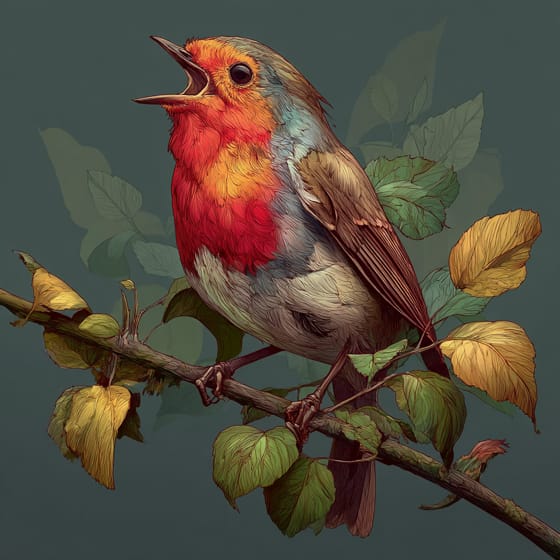
Turdus migratorius
Las aves comen las larvas y las polillas adultas.

Trifolium repens
Las polillas adultas visitan las flores para beber néctar.
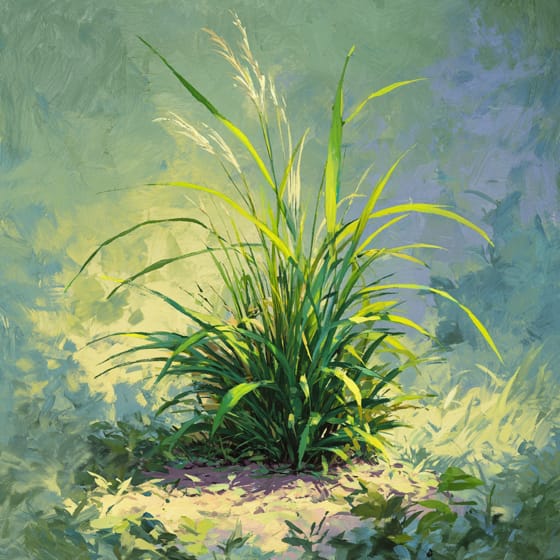
Poa pratensis
Las larvas se alimentan de las hojas y las raíces.
Los animales solitarios viven solos durante la mayor parte de su vida y solo interactúan con otros para aparearse o cuidar de sus crías.
El camuflaje describe a los organismos que poseen colores o patrones que les permiten mezclarse con su entorno.
Colorido describe a organismos u objetos que exhiben una amplia variedad de colores brillantes y distintivos.
Este rasgo caracteriza a los organismos cuya dieta consiste total o principalmente en material vegetal.

Describe plantas que son particularmente atractivas y beneficiosas para una amplia variedad de organismos polinizadores.

Los hábitats de pastizales son biomas terrestres dominados por pastos y plantas herbáceas, que sustentan a una variedad de animales de pastoreo.

Los animales nocturnos están principalmente activos durante la noche, y suelen descansar o dormir durante el día.

Describe organismos que transfieren polen, permitiendo la fertilización y reproducción de las plantas.
Todavía no hay alias listados.
Peligro
1/5 · Muy bajo
Las polillas son criaturas delicadas, pero es mejor observarlas desde la distancia.
La forma más fácil de identificar a Herpetogramma aquilonalis es usar la aplicación de identificación de naturaleza Snappit.
18-25 mm
9-12 mm
7-14 días
10 km/h
Las polillas adultas beben néctar de flores; sus orugas se alimentan de varios tipos de hierba y plantas.
Pastizales
Forrajeo
Acércate para separar los grupos y explorar dónde se ha fotografiado este objeto.
Los snaps recientes aparecerán aquí a medida que se añadan nuevas observaciones.
Llévate el descubrimiento
Haz una foto con Snappit, identifica la especie y guarda el hallazgo en tu colección.







.jpg&width=800)



