Hoary Comma
Polygonia gracilis
The Hoary Comma is a beautiful butterfly with orange and brown wings. It loves to flutter around in sunny spots and often rests on tree trunks, making it a fun find in nature!
Hábitat: Forests
The Hoary Comma is a medium-sized butterfly with ragged-edged wings. Its upperwings are bright orange-brown with dark spots, while the undersides are mottled gray-brown, resembling dead leaves. A distinctive white, comma-shaped mark adorns each hindwing's underside, giving it its name.
Categoría
InsectosRareza
Common
Peligro
1/5 · Muy bajo
Snaps
¡Sé la primera persona en hacer un snap!
Their caterpillars sport spines but are harmless to touch!
They often perch upside down, blending in perfectly with tree bark!
Unlike many butterflies, adult Hoary Commas prefer tree sap over flower nectar!
When startled, they might drop to the ground and play dead to fool predators!
Hoary Comma can survive freezing winters by entering a dormant state, allowing them to emerge and fly when spring arrives.
Hoary Comma has a long, coiled proboscis that helps them sip nutritious tree sap and nectar, fueling their flight.
Adults enjoy tree sap and rotting fruit, while caterpillars munch on leaves from various trees and shrubs.
Diferencias por edad: Larvae are herbivores, feeding on host plant leaves; adults are omnivores, primarily consuming tree sap and rotting fruit.
Salix bebbiana
Its caterpillars feed on the leaves.
Populus tremuloides
Larvae consume leaves for growth.
Turdus migratorius
Feeds on adult butterflies.
Los animales solitarios viven solos durante la mayor parte de su vida y solo interactúan con otros para aparearse o cuidar de sus crías.
Colorido describe a organismos u objetos que exhiben una amplia variedad de colores brillantes y distintivos.
Este rasgo caracteriza a los organismos cuya dieta consiste total o principalmente en material vegetal.
Describe plantas que son particularmente atractivas y beneficiosas para una amplia variedad de organismos polinizadores.

Los hábitats boscosos son entornos terrestres dominados por una densa cubierta arbórea, que sustentan una gran diversidad de vida animal y vegetal.

Los animales diurnos están activos principalmente durante el día y suelen descansar o dormir por la noche.

Describe organismos que transfieren polen, permitiendo la fertilización y reproducción de las plantas.
Todavía no hay alias listados.
Peligro
1/5 · Muy bajo
Butterflies are safe to observe, but be gentle and don't try to catch them.
40-60 mm
15-25 mm
60-250 días
15 km/h
Adults enjoy tree sap and rotting fruit, while caterpillars munch on leaves from various trees and shrubs.
Forests
Foraging
6
Acércate para separar los grupos y explorar dónde se ha fotografiado este objeto.
Los snaps recientes aparecerán aquí a medida que se añadan nuevas observaciones.
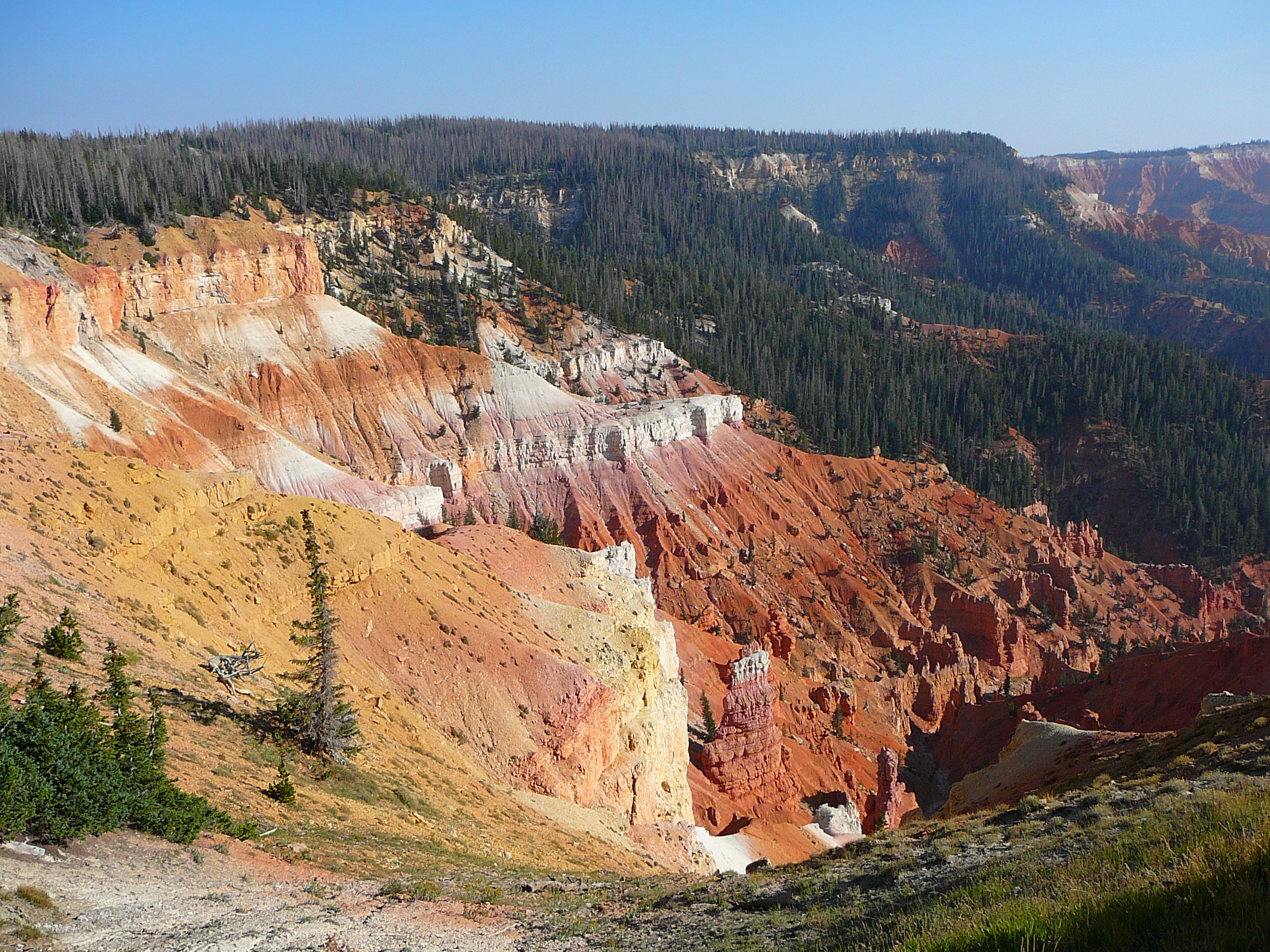
Utah, US
Puedes ver Great Basin Bristlecone Pine, Blue Columbine y Monument Plant.
Ver guía →
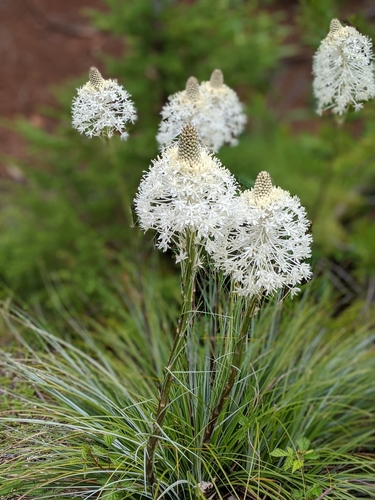
British Columbia, CA
Puedes ver Common Beargrass, White-Flowered Rhododendron y Glacier Lily.
Ver guía →

British Columbia, CA
Puedes ver Green Comma, Mariposa Capa De Luto y Hoary Comma.
Ver guía →