

Homidia socia
homidia socia
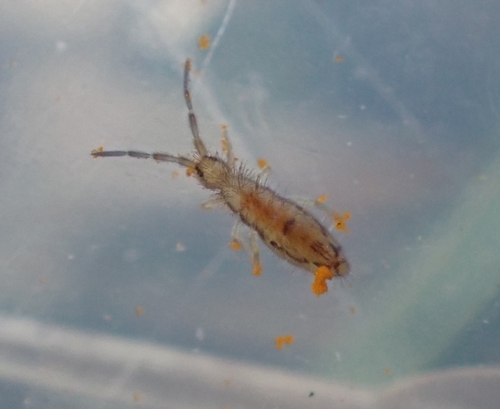
Homidia socia es una encantadora especie de colémbolo alargado perteneciente a la familia Entomobryidae. Ampliamente distribuidos en regiones templadas debido a la introducción humana accidental, estos diminutos hexápodos sin alas desempeñan un papel vital en los ecosistemas del suelo al acelerar la descomposición de la materia orgánica. Son criaturas muy activas, frecuentemente vistas correteando entre la hojarasca o realizando impresionantes saltos cuando se asustan. Como detritívoros, Homidia socia se alimenta principalmente de hifas fúngicas, esporas y material vegetal en descomposición. Al mantener a raya las poblaciones de hongos y descomponer los detritos orgánicos, ayudan a reciclar nutrientes esenciales de vuelta al suelo, lo que los convierte en el mejor amigo oculto de un jardinero. Su resistencia y adaptabilidad les ha permitido prosperar tanto en bosques silvestres como en jardines muy urbanizados.
Hábitat: Se encuentra comúnmente en ambientes húmedos y ricos en materia orgánica, como hojarasca húmeda, troncos en descomposición, pilas de compost y mantillo de jardín.
Este minúsculo colémbolo es extremadamente pequeño y alargado, caracterizado por un cuerpo cubierto de finos y densos pelos que le dan un aspecto ligeramente borroso bajo magnificación. Homidia socia se distingue por su coloración base que va del amarillento pálido al marrón claro, acentuada por bandas de color azul púrpura oscuro o negro que atraviesan transversalmente sus segmentos abdominales, particularmente prominentes en el cuarto segmento abdominal, que es notablemente alargado. Poseen un órgano saltador especializado en forma de horquilla llamado fúrcula, que se guarda bajo el abdomen y es invisible a menos que se despliegue para una rápida huida.
Categoría
AnimalRareza
Común
Peligro
1/5 · Muy bajo
Snaps
¡Sé la primera persona en hacer un snap!
Los colémbolos como Homidia socia no son verdaderos insectos; pertenecen a un antiguo linaje de hexápodos llamado Entognatha, que tienen piezas bucales internas.
El nombre del género Homidia se refiere a colémbolos alargados, muy valorados por los propietarios de terrarios como equipos de limpieza para controlar el moho y la descomposición.
Su mecanismo de salto, la fúrcula, se mantiene bajo tensión como una trampa para ratones y puede impulsarlos hasta 100 veces su longitud corporal en una fracción de segundo.
Se alimenta principalmente de hongos microscópicos, esporas, bacterias y materia vegetal en descomposición dentro del suelo húmedo y las capas de hojarasca.
Aún no hay insignias de rasgos asignadas a este objeto.
Todavía no hay alias listados.
Las colecciones para este objeto aparecerán aquí a medida que se añadan más temas.
Peligro
1/5 · Muy bajo
Todavía no hay notas especiales de seguridad.
Empieza por la forma del cuerpo, las patas o aletas, el pelo, las plumas o las escamas y las marcas más llamativas. Después valora el tamaño, el hábitat y el lugar donde lo viste. Las crías y los pelajes de temporada pueden verse muy distintos de los adultos que conoces. Identificador de animales: sube una foto y compara los detalles visibles.
hasta 1 años
Se alimenta principalmente de hongos microscópicos, esporas, bacterias y materia vegetal en descomposición dentro del suelo húmedo y las capas de hojarasca.
Se encuentra comúnmente en ambientes húmedos y ricos en materia orgánica, como hojarasca húmeda, troncos en descomposición, pilas de compost y mantillo de jardín.
Recolección
10-150
10-25 días
Acércate para separar los grupos y explorar dónde se ha fotografiado este objeto.
Los snaps recientes aparecerán aquí a medida que se añadan nuevas observaciones.
Llévate el descubrimiento
Haz una foto con Snappit, identifica la especie y guarda el hallazgo en tu colección.