






Honey Locust
Gleditsia triacanthos
The Honey Locust tree has thorns and sweet pods that animals love to eat. Its leaves turn a beautiful golden color in the fall, making it a lovely sight in parks and gardens.
Hábitat: Parks, Gardens
The Honey Locust has sharp, often branched thorns on its trunk and branches, making it visually distinct. Its delicate, fern-like leaves turn golden in autumn, and it produces long, flattened, purplish-brown seed pods.
Categoría
ÁrbolesRareza
Common
Peligro
2/5 · Bajo
Snaps
¡Sé la primera persona en hacer un snap!
Ancient animals like mammoths might have helped spread Honey Locust seeds!
Early settlers used Honey Locust thorns as needles and nails!
Its wood is very hard, once used for fence posts and furniture!
Some Honey Locust varieties are thornless, perfect for parks!
Honey Locust has fierce, sharp thorns that help it defend against hungry plant-eaters trying to munch on its tender branches.
Honey Locust produces sweet, edible pods that attract animals, helping spread its seeds far and wide to grow new trees.
Honey Locust has incredibly tough roots that help it survive in dry soil and even polluted city environments.
Dasineura gleditschiae
larvae cause galls on leaves
Procyon lotor
consumes sweet seed pods, aiding dispersal
Quercus alba
often grows alongside in native woodlands
Colaptes auratus
often nests in cavities or branches
Las plantas caducifolias pierden periódicamente todas sus hojas, por lo general durante el otoño o las estaciones secas.
Las plantas frutales producen frutos, que son los ovarios maduros de las plantas con flores que contienen semillas.
Se refiere a las plantas que tienen tallos cubiertos de proyecciones puntiagudas y afiladas para defenderse.
Los colores otoñales se refieren al cambio estacional en la pigmentación del follaje, principalmente en plantas de hoja caduca, mostrando tonos vibrantes.

Esta característica de hábitat indica especies que pueden coexistir con los humanos en entornos urbanos y suburbanos, utilizando estructuras artificiales y espacios verdes.
Peligro
2/5 · Bajo
Watch out for the thorns on the Honey Locust tree and avoid touching them.
15-30 m
10-15 m
Sí
60-90 cm
80-120 años
Parks, Gardens
Legume pod
Rápido
Acércate para separar los grupos y explorar dónde se ha fotografiado este objeto.
Los snaps recientes aparecerán aquí a medida que se añadan nuevas observaciones.
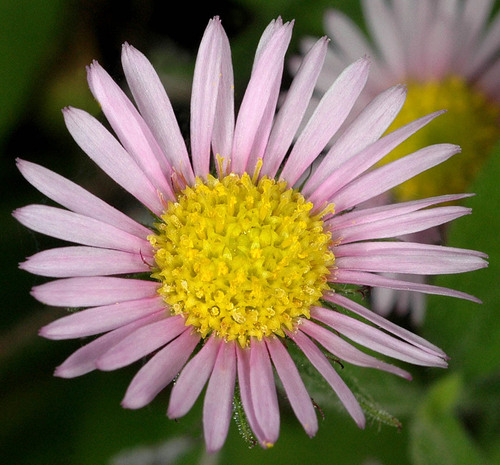
Pennsylvania, US
Puedes ver Fleabanes and Horseweeds, Honey Locust y Mariposa Almirante.
Ver guía →
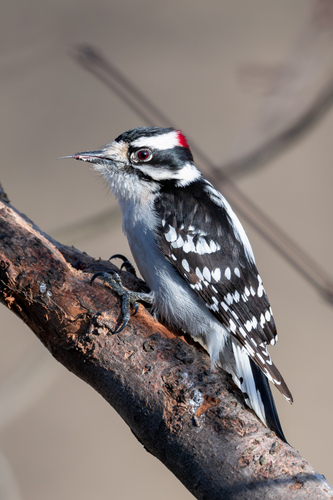
Illinois, US
Puedes ver Carpintero Peludo, Petirrojo Americano y Cuervo Americano.
Ver guía →
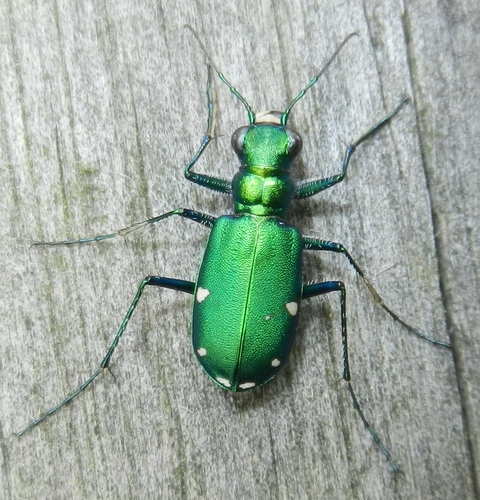
Indiana, US
Puedes ver Six-Spotted Tiger Beetle, Garlic Mustard y Buitre.
Ver guía →
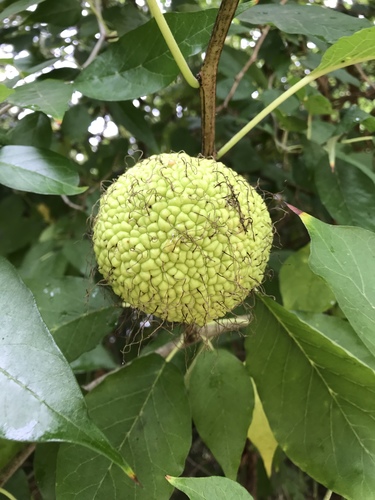
Virginia, US
Puedes ver Osage-Orange, Willow Oak y Cornejo De Kousa.
Ver guía →

Maryland, US
Puedes ver Bufflehead, Common Goldeneye y Pato.
Ver guía →
Colorado, US
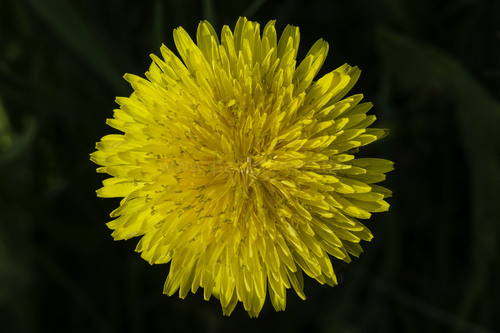
Puedes ver Common Dandelion, Manzano y Dwarf Mallow.
Ver guía →











