


honey mesquite
Neltuma glandulosa
The honey mesquite is a special tree that grows in warm, dry places. It has long, feathery leaves and produces sweet pods that many animals love to eat!
Hábitat: Desert
The honey mesquite is a thorny shrub or small tree with a often gnarled trunk and feathery, light green compound leaves. It produces distinctive yellowish-green flowers on slender spikes and long, sweet, yellowish-brown seed pods.
Categoría
PlantasRareza
Common
Peligro
2/5 · Bajo
Snaps
¡Sé la primera persona en hacer un snap!
Ancient people used mesquite for tools, shelter, medicine, and food for thousands of years!
It's a desert champion, capable of surviving extreme heat and long periods of drought!
Its sweet pods can be ground into flour to make delicious bread or desserts!
The dense, aromatic mesquite wood is a favorite for grilling and barbecuing!
Honey mesquite can grow incredibly deep taproots that help it find water far underground in dry desert lands.
Honey mesquite has sharp thorns on its branches that help it defend against hungry animals trying to eat its leaves.
Honey mesquite can fix nitrogen into the soil, helping enrich it and allowing other plants to grow nearby.
Honey mesquite can resprout quickly from its roots after fires, helping it survive and thrive in its habitat.
Apis mellifera
Bees collect nectar and pollen from its flowers.
Odocoileus virginianus
Deer browse on its leaves and eat its sweet pods.
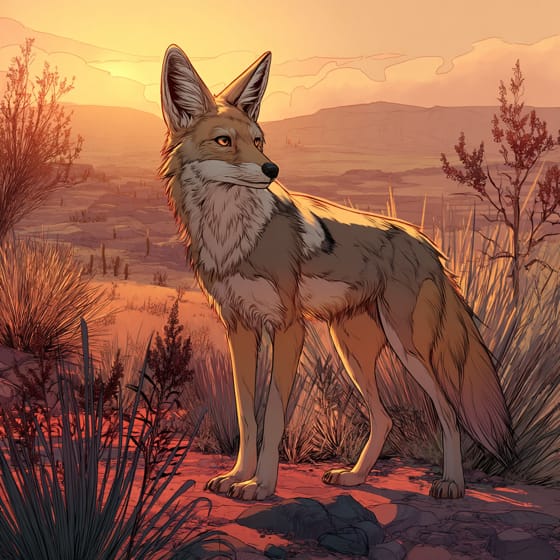
Canis latrans
Coyotes consume the nutritious pods, aiding seed dispersal.

Campylorhynchus brunneicapillus
Wrens build nests in its thorny branches for protection.
Las plantas caducifolias pierden periódicamente todas sus hojas, por lo general durante el otoño o las estaciones secas.
Describe a los organismos capaces de convertir el nitrógeno atmosférico en compuestos utilizables por las plantas.
Las plantas tolerantes a la sombra están adaptadas para crecer y prosperar en áreas con bajos niveles de luz, requiriendo menos luz solar directa.
Las plantas frutales producen frutos, que son los ovarios maduros de las plantas con flores que contienen semillas.

Los árboles de hoja ancha son angiospermas caracterizadas por hojas planas y anchas que típicamente se caen anualmente en climas templados.

Las plantas tolerantes a la sequía pueden sobrevivir y florecer en condiciones de escasa disponibilidad de agua.

Las plantas comestibles son aquellas partes de una planta que se consideran seguras para el consumo humano.

Los hábitats desérticos son regiones áridas caracterizadas por precipitaciones extremadamente bajas y, a menudo, temperaturas extremas, que albergan una flora y fauna especializadas.

Este rasgo caracteriza a los organismos con una esperanza de vida excepcionalmente larga en comparación con otros de su especie.

Describe una especie cuya presencia y papel tienen un efecto desproporcionadamente grande en su entorno.
Peligro
2/5 · Bajo
Be careful around trees and watch for sharp thorns on their branches.
500-900 cm
300-600 cm
0.2-0.5 cm
Spring to summer
Sí
Ninguna
Perenne
Insectos
Acércate para separar los grupos y explorar dónde se ha fotografiado este objeto.
Los snaps recientes aparecerán aquí a medida que se añadan nuevas observaciones.