Horse Chestnut
Aesculus chinensis Bunge
The Horse Chestnut is a tree with big, spiky seed pods and lovely white flowers. Its seeds are sometimes called conkers!
Hábitat: Parks and gardens
The Horse Chestnut is a stately tree with large, dark green leaves divided into 5-7 leaflets. Its striking white flowers bloom in upright 'candles' often featuring a yellow or red blotch. Distinctive spiny, green fruits ripen to reveal shiny, dark brown seeds called 'conkers'.
Categoría
ÁrbolesRareza
Common
Peligro
1/5 · Muy bajo
Snaps
¡Sé la primera persona en hacer un snap!
If you look closely at a twig, the leaf scars look exactly like tiny horseshoes!
Its seeds, called 'conkers', look like shiny chestnuts but are actually poisonous if eaten!
Some parts of this tree have been used in traditional medicine for hundreds of years.
This specific type of Horse Chestnut comes all the way from mountains in China!
Horse Chestnut has flower blotches that change color to tell bees when nectar is empty, saving pollinators energy.
Horse Chestnut has tough, spiky cases around its seeds that protect them from hungry animals until they're ready to drop.
Horse Chestnut has huge, palm-shaped leaves that act like giant solar panels, soaking up lots of sunlight for growth.
Bombus terrestris
Visits flowers for nectar and pollen, aiding reproduction.
Callosciurus erythraeus
Collects and buries seeds, sometimes helping new trees grow.
Aphis fabae
Feeds on young leaves and shoots, taking vital nutrients.
Las plantas caducifolias pierden periódicamente todas sus hojas, por lo general durante el otoño o las estaciones secas.
Las plantas de floración primaveral producen sus flores durante la temporada de primavera, lo que a menudo significa el final del invierno y el comienzo de un nuevo crecimiento.
Las plantas frutales producen frutos, que son los ovarios maduros de las plantas con flores que contienen semillas.
Los árboles de hoja ancha son angiospermas caracterizadas por hojas planas y anchas que típicamente se caen anualmente en climas templados.

Esta característica de hábitat indica especies que pueden coexistir con los humanos en entornos urbanos y suburbanos, utilizando estructuras artificiales y espacios verdes.
Todavía no hay alias listados.
Peligro
1/5 · Muy bajo
Do not pick or eat anything you find. Some plants and mushrooms can be harmful.
20-30 m
10-15 m
No
50-100 cm
100-200 años
Parks and gardens
Capsule
Medio
Acércate para separar los grupos y explorar dónde se ha fotografiado este objeto.
Los snaps recientes aparecerán aquí a medida que se añadan nuevas observaciones.

Washington, US
Puedes ver Búho Nival, Abeja y Cuervo Americano.
Ver guía →
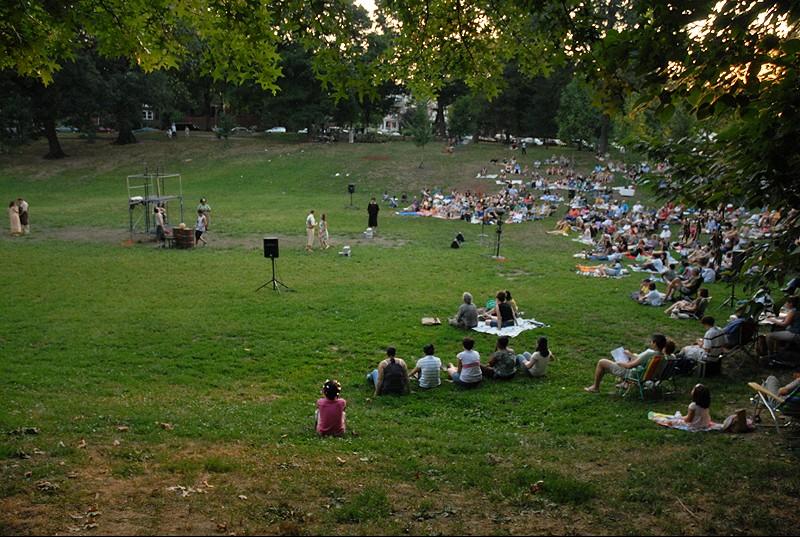
Pennsylvania, US
Puedes ver Petirrojo Americano, Kentucky Yellowwood y Cornejo De Kousa.
Ver guía →
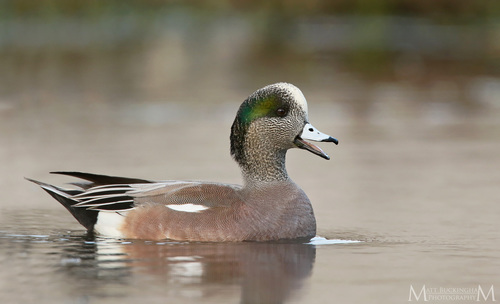
Washington, US
Puedes ver American Wigeon, Madrone Skin Miner y Ardilla Gris Oriental.
Ver guía →

Washington, US
Puedes ver Araña De Jardín, Western Redcedar y Fringed Willowherb.
Ver guía →
Washington, US
Puedes ver Arctic Butterbur, Red Valerian y American Brooklime.
Ver guía →