
.jpg&width=800)





Hudsonian Whimbrel
Numenius hudsonicus
The Hudsonian Whimbrel is a beautiful bird with long legs and a curved beak. It loves to wade in shallow waters and is known for its lovely, melodic calls.
Hábitat: Coastal areas
The Hudsonian Whimbrel is a medium-sized shorebird with mottled brown and white plumage. It has a distinctive long, downward-curved bill, a dark cap, and two pale stripes over its eyes, giving it a unique head pattern.
Categoría
AvesRareza
Common
Peligro
1/5 · Muy bajo
Snaps
¡Sé la primera persona en hacer un snap!
A Whimbrel once flew over 5,000 km across the ocean without stopping!
Sometimes, they follow tractors to find bugs stirred up from the soil!
Their name sounds like their whistle: 'Whim-brel'!
They lay their eggs in a simple nest on the open ground.
Hudsonian Whimbrel has a super sensitive bill tip that helps them find hidden food underground without seeing it.
Hudsonian Whimbrel can fly thousands of kilometers non-stop because of incredible endurance, helping them reach faraway homes.
Hudsonian Whimbrel has speckled brown plumage that helps them blend perfectly with rocks and grasses to hide from predators.
This shorebird loves to slurp up tasty crabs, insects, and berries from coastal mud and tundra.
Falco peregrinus
Predates on adult Whimbrels and chicks.
Vulpes lagopus
Preys on Whimbrel eggs and young chicks.
Uca pugnax
Hunted by Whimbrels in coastal mudflats.
Empetrum nigrum
Whimbrels eat the berries, especially on tundra.
Describe a los animales, principalmente aves, que poseen una cubierta de plumas.
Los animales sociales viven en grupos organizados, cooperando para obtener beneficios de supervivencia como la búsqueda de alimento, la defensa y la cría de descendencia.
Los animales cantores producen vocalizaciones complejas, a menudo con el propósito de atraer parejas, defender el territorio o comunicarse dentro de su especie.
El camuflaje describe a los organismos que poseen colores o patrones que les permiten mezclarse con su entorno.

Este rasgo identifica a los organismos cuya dieta consiste principalmente en insectos y otros pequeños invertebrados.

Los hábitats costeros son entornos dinámicos situados a lo largo de la interfaz entre la tierra y el mar, influenciados por las mareas, las olas y el agua salada.

Este rasgo identifica a los organismos cuya dieta consiste total o principalmente en tejido animal.

Los animales migratorios emprenden movimientos estacionales de una región a otra, típicamente en respuesta a cambios en el clima o la disponibilidad de alimentos.

El estado de amenazado indica que es probable que una especie pase a estar en peligro de extinción en el futuro cercano si no se toman medidas efectivas de conservación.
Todavía no hay alias listados.
Peligro
1/5 · Muy bajo
Always watch birds from a distance and be quiet so you don't scare them away.
37-47 cm
76-89 cm
0.27-0.493 kg
10-20 años
80 km/h
This shorebird loves to slurp up tasty crabs, insects, and berries from coastal mud and tundra.
Coastal areas
Foraging
Acércate para separar los grupos y explorar dónde se ha fotografiado este objeto.
Los snaps recientes aparecerán aquí a medida que se añadan nuevas observaciones.
.jpg)
California, US
Puedes ver Long-Billed Curlew, Snowy Plover y Sanderling.
Ver guía →
California, US
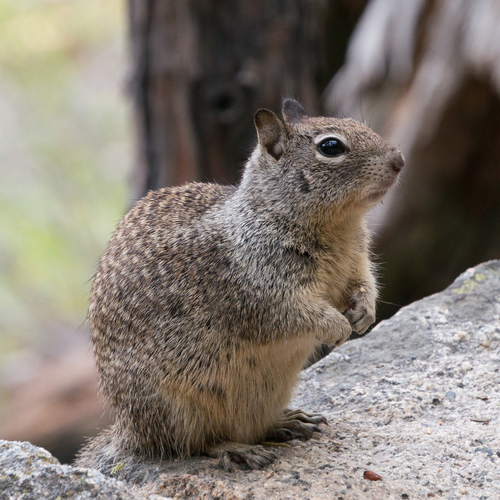
Puedes ver California Ground Squirrel y Coast Cholla.
Ver guía →

California, US
Puedes ver Fingertips, Lemonade Berry y California Boxthorn.
Ver guía →














