





Idaea eugeniata
Idaea eugeniata
La Idaea eugeniata es una pequeña y colorida polilla a la que le encanta revolotear por jardines y campos. Sus bonitos patrones le ayudan a camuflarse entre flores y hojas, ¡lo que la convierte en una vista encantadora para los amantes de la naturaleza!
Hábitat: Jardines
La Idaea eugeniata es una polilla pequeña y delicada con cuerpo y alas de un tono crema pálido o blanquecino. Sus alas presentan tenues líneas transversales onduladas de color gris o pardo, a menudo con una pequeña mancha oscura en cada ala anterior, creando un distintivo patrón de 'olas'.
Categoría
InsectosRareza
Common
Peligro
1/5 · Muy bajo
Snaps
¡Sé la primera persona en hacer un snap!
A veces puede tener dos generaciones de crías en un solo verano en lugares más cálidos.
¡Su nombre científico rinde homenaje al príncipe Eugenio de Saboya, un famoso general!
Esta diminuta polilla es parte de la familia de las "polillas de las olas", llamadas así por los patrones ondulados de sus alas.
A diferencia de muchas orugas, ¡sus crías a menudo mordisquean hojas secas, muertas y crujientes!
La Idaea eugeniata tiene patrones sutiles en sus alas que le ayudan a camuflarse perfectamente con hojas secas y cortezas, manteniéndola a salvo de depredadores hambrientos.
La Idaea eugeniata puede volar muy bien en la oscuridad porque sus grandes ojos compuestos son excelentes para detectar luz tenue, lo que le ayuda a encontrar flores durante la noche.
Las orugas de la Idaea eugeniata pueden comer hojas secas porque su sistema digestivo especializado les ayuda a descomponer la materia vegetal dura y seca.
Las polillas adultas beben néctar de flores para obtener energía, mientras que las orugas mordisquean hojas secas.
Diferencias por edad: Las larvas (orugas) comen hojas secas, musgos y líquenes, mientras que las polillas adultas beben néctar de las flores.
Pipistrellus pipistrellus
Los murciélagos cazan a estas polillas durante sus vuelos nocturnos.
%2C_Parc_de_Woluw%C3%A9%2C_Brussels_(13042792905).jpg&width=800)
Parus major
Las aves como los carboneros comunes se alimentan de las polillas en reposo.

Trifolium pratense
Las polillas adultas visitan las flores para beber néctar y esparcir polen.
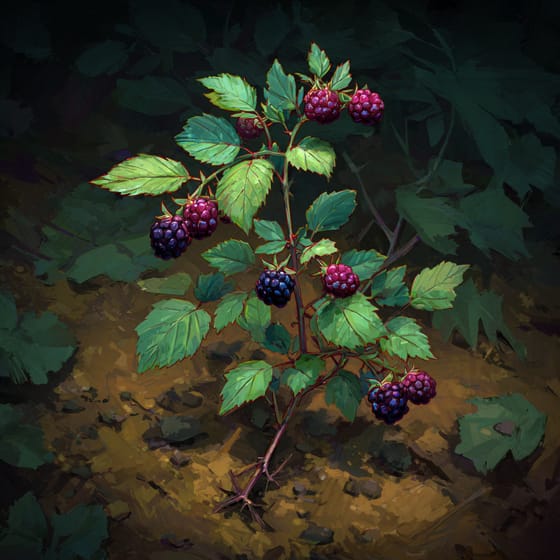
Rubus fruticosus
Las orugas pueden alimentarse de las hojas secas de esta planta.
El camuflaje describe a los organismos que poseen colores o patrones que les permiten mezclarse con su entorno.
Colorido describe a organismos u objetos que exhiben una amplia variedad de colores brillantes y distintivos.
Este rasgo caracteriza a los organismos cuya dieta consiste total o principalmente en material vegetal.
Describe plantas que son particularmente atractivas y beneficiosas para una amplia variedad de organismos polinizadores.

Los animales nocturnos están principalmente activos durante la noche, y suelen descansar o dormir durante el día.

Describe organismos que transfieren polen, permitiendo la fertilización y reproducción de las plantas.
Todavía no hay alias listados.
Peligro
1/5 · Muy bajo
Las polillas son criaturas gentiles, pero es mejor observarlas desde cierta distancia.
La forma más fácil de identificar a Idaea eugeniata es usar la aplicación de identificación de naturaleza Snappit.
14-17 mm
7-9 mm
10-20 días
Las polillas adultas beben néctar de flores para obtener energía, mientras que las orugas mordisquean hojas secas.
Jardines
Null
6
Acércate para separar los grupos y explorar dónde se ha fotografiado este objeto.
Los snaps recientes aparecerán aquí a medida que se añadan nuevas observaciones.
Llévate el descubrimiento
Haz una foto con Snappit, identifica la especie y guarda el hallazgo en tu colección.








.jpg&width=800)



