.jpg&width=800)





Idiobates Castaneus
idiobates castaneus
El Idiobates Castaneus es una pequeña criatura fascinante a la que le encanta esconderse bajo las hojas. Es conocido por sus colores y patrones únicos que le ayudan a mimetizarse con su entorno.
Hábitat: Bosques y zonas húmedas
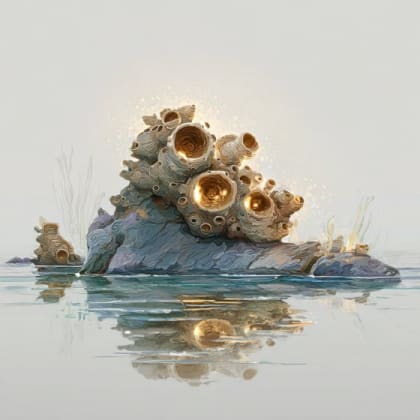
El Idiobates Castaneus es un ácaro diminuto de color marrón rojizo oscuro con un cuerpo duro y globular que se asemeja a una semilla pulida en miniatura. Tiene ocho patas cortas y un caparazón robusto y protector que le da una apariencia similar a la de un escarabajo, distinto de otros ácaros de cuerpo blando.
Categoría
InvertebrateRareza
Common
Peligro
1/5 · Muy bajo
Snaps
¡Sé la primera persona en hacer un snap!
El Idiobates Castaneus puede transportar pequeñas esporas de hongos, ayudando a dispersarlas por el bosque.
Su dura concha exterior les permite sobrevivir largos períodos secos enterrados en el suelo.
¡Estos ácaros a menudo viven varios años, lo cual es increíblemente antiguo para un ácaro diminuto!
Cuando se asustan, algunos de estos ácaros pueden hacerse los muertos, ¡pareciendo solo una mota de tierra!
Estos pequeños ácaros se alimentan principalmente de hojas y hongos en descomposición, ayudando a reciclar nutrientes.
Pterostichus melanarius
Las larvas de escarabajo depredan pequeños invertebrados del suelo.
Formica rufa
Las hormigas buscan alimento ampliamente y consumen pequeños invertebrados.
Quercus robur
Vive en la hojarasca proporcionada por las hojas de roble caídas.
Trametes versicolor
Consume materia fúngica en descomposición en su hábitat.
Los animales solitarios viven solos durante la mayor parte de su vida y solo interactúan con otros para aparearse o cuidar de sus crías.
El camuflaje describe a los organismos que poseen colores o patrones que les permiten mezclarse con su entorno.
Colorido describe a organismos u objetos que exhiben una amplia variedad de colores brillantes y distintivos.
Este rasgo caracteriza a los organismos cuya dieta consiste total o principalmente en material vegetal.

Los animales nocturnos están principalmente activos durante la noche, y suelen descansar o dormir durante el día.
Peligro
1/5 · Muy bajo
Observe siempre desde la distancia y no toque a los animales salvajes.
La forma más fácil de identificar a Idiobates Castaneus es usar la aplicación de identificación de naturaleza Snappit.
0.5 mm
0.002 mg
1.5 años
Estos pequeños ácaros se alimentan principalmente de hojas y hongos en descomposición, ayudando a reciclar nutrientes.
Bosques y zonas húmedas
Forrajeo
Acércate para separar los grupos y explorar dónde se ha fotografiado este objeto.
Los snaps recientes aparecerán aquí a medida que se añadan nuevas observaciones.
Llévate el descubrimiento
Haz una foto con Snappit, identifica la especie y guarda el hallazgo en tu colección.