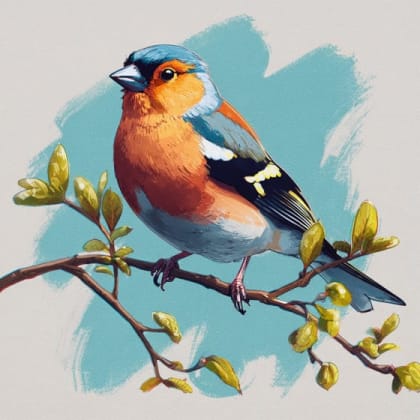
Inca Dove
Columbina inca
The Inca Dove is a small, gentle bird with a beautiful, soft gray-brown color. They love to hang out in gardens and parks, where they often walk around looking for seeds to eat.
Hábitat: Urban areas
The Inca Dove is a small, slender dove with a proportionally long tail. It has brownish-gray plumage with a distinct scaly appearance created by dark feather edges. The underside of its tail feathers flashes a rich rusty-red when in flight, a key identifying feature.
Categoría
AvesRareza
Common
Peligro
1/5 · Muy bajo
Snaps
¡Sé la primera persona en hacer un snap!
An Inca Dove can survive a chilly night by huddling together with other doves in a 'pyramid'!
Inca Doves make a soft 'coo-coo' sound, often mistaken for a distant owl!
These tiny birds often walk or run on the ground in groups, rather than flying everywhere!
They build such flimsy nests, sometimes you can see the eggs right through the bottom!
Inca Doves have specially adapted feathers that can be fluffed up to release body heat, helping them stay cool in scorching desert sun.
Inca Doves' unique scaly feather pattern provides excellent camouflage, helping them blend seamlessly with dry, sandy ground.
Inca Doves can drink brackish water, which allows them to survive in arid regions where fresh water sources are scarce.
Tiny seeds, grains, and some insects make up this dove's meal plan, especially on the ground.
Accipiter cooperii
A common predator of small birds in both urban and natural areas.
Crotalus atrox
Snakes are known to prey on ground-dwelling birds and their nests.
Prosopis glandulosa
Relies on its beans for food and uses the thorny trees for nesting sites.
Describe a los animales, principalmente aves, que poseen una cubierta de plumas.
Los animales sociales viven en grupos organizados, cooperando para obtener beneficios de supervivencia como la búsqueda de alimento, la defensa y la cría de descendencia.
Los animales cantores producen vocalizaciones complejas, a menudo con el propósito de atraer parejas, defender el territorio o comunicarse dentro de su especie.
Este rasgo caracteriza a los organismos cuya dieta consiste total o principalmente en material vegetal.

Los animales diurnos están activos principalmente durante el día y suelen descansar o dormir por la noche.

Esta característica de hábitat indica especies que pueden coexistir con los humanos en entornos urbanos y suburbanos, utilizando estructuras artificiales y espacios verdes.
Todavía no hay alias listados.
Peligro
1/5 · Muy bajo
Always watch birds from a distance and don't try to touch them.
16.5-18 cm
28-30 cm
0.03-0.058 kg
4-7 años
55 km/h
Tiny seeds, grains, and some insects make up this dove's meal plan, especially on the ground.
Urban areas
Foraging
Acércate para separar los grupos y explorar dónde se ha fotografiado este objeto.
Los snaps recientes aparecerán aquí a medida que se añadan nuevas observaciones.







.jpg&width=800)