





Ivy
Simpsonlemur Robinson &
Ivy is a climbing plant with green leaves that can grow on walls, trees, or the ground. It helps provide shelter for small animals and insects.
Hábitat: Forests, Gardens, Walls
The Ivy has distinctive dark green, glossy leaves, often with 3-5 pointed lobes when mature. Young leaves can be heart-shaped, growing densely as it climbs. Its rich, evergreen foliage provides year-round color, differing from many deciduous climbers.
Categoría
PlantasRareza
Common
Peligro
2/5 · Bajo
Snaps
¡Sé la primera persona en hacer un snap!
Did you know Ivy flowers smell like honey to attract buzzing insects?
Its dark berries are a vital, energy-rich food source for many birds in winter.
Ivy can completely cover huge areas, even entire old buildings, with its dense leaves!
Ivy plants can live for hundreds of years, becoming thick and woody like a tree!
Ivy can produce tiny 'holdfast' roots that help it cling securely to surfaces like walls and tree trunks to reach sunlight.
Ivy has evergreen leaves that stay green all year round, allowing it to photosynthesize even in winter when other plants sleep.
Ivy can grow well even in very low light, adapting its leaves to capture dim sunlight in shady forest floors or dense areas.
Turdus merula
eats its winter berries
Apis mellifera
attracted to its late-season flowers
Quercus robur
provides shelter for small animals

Pyrrhula pyrrhula
eats its juicy fruit
Las plantas trepadoras o enredaderas se caracterizan por un hábito de crecimiento que les permite ascender enrollándose o usando zarcillos o raíces adhesivas.
Las plantas tapizantes son vegetación de bajo crecimiento que se extiende horizontalmente para cubrir el suelo, a menudo suprimiendo las malas hierbas y previniendo la erosión del suelo.
Las plantas tolerantes a la sombra están adaptadas para crecer y prosperar en áreas con bajos niveles de luz, requiriendo menos luz solar directa.
Las plantas de hoja perenne conservan su follaje durante todo el año, sin perder nunca todas sus hojas a la vez.

Las plantas frutales producen frutos, que son los ovarios maduros de las plantas con flores que contienen semillas.

Los colores otoñales se refieren al cambio estacional en la pigmentación del follaje, principalmente en plantas de hoja caduca, mostrando tonos vibrantes.

Los hábitats boscosos son entornos terrestres dominados por una densa cubierta arbórea, que sustentan una gran diversidad de vida animal y vegetal.

Este rasgo indica que los organismos pertenecen a un grupo evolutivo muy antiguo con antepasados que se remontan a millones de años.
Peligro
2/5 · Bajo
Enjoy looking at ivy, but avoid touching or eating it as some types can be irritating to the skin or harmful if eaten.
10-3000 cm
10-1000 cm
0.3-0.5 cm
Late summer to late autumn
No
Leve
Perenne
Insectos
Acércate para separar los grupos y explorar dónde se ha fotografiado este objeto.
Los snaps recientes aparecerán aquí a medida que se añadan nuevas observaciones.

Virginia, US
Puedes ver Monarch, Tortuga De Caja Oriental y Mariquita Asiática.
Ver guía →
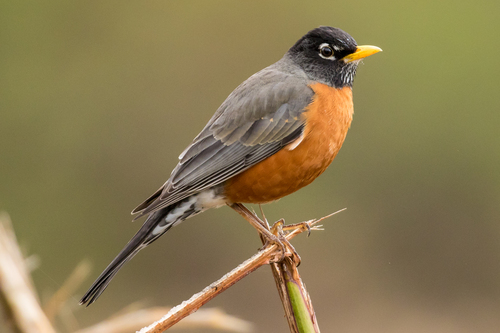
Virginia, US
Puedes ver Petirrojo Americano, Cardenal Norteño y Gorrión Común.
Ver guía →
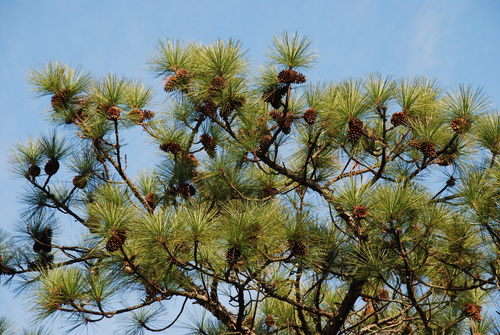
Virginia, US
Puedes ver Pines, Common Milkweed y Sweetbay Magnolia.
Ver guía →
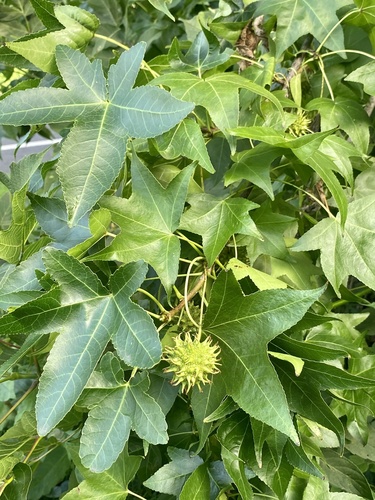
District of Columbia, US
Puedes ver Liquidámbar Americano, Amur Honeysuckle y Virginia Creeper.
Ver guía →

Washington, US
Puedes ver Búho Nival, Abeja y Cuervo Americano.
Ver guía →
Delaware, US
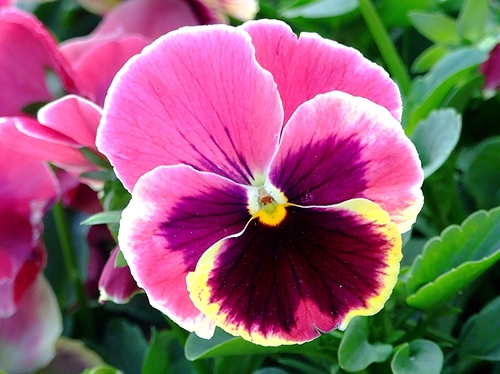
Puedes ver Garden Pansy, Magnolia Común y Low Pricklypear.
Ver guía →









.jpg&width=800)









