
Japanese black pine
Pinus thunbergii
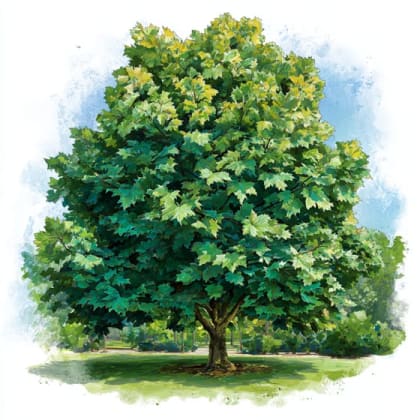
The Japanese black pine is a strong tree with long, slender needles. It grows tall and is often found near the coast, making it a beautiful sight against the blue sky and ocean.
Hábitat: Coastal areas
The Japanese black pine has long, stiff, dark green needles in pairs and striking rough, dark gray to black bark that is deeply furrowed, making it stand out from lighter-barked pines. Its branches often twist dramatically.
Categoría
ÁrbolesRareza
Common
Peligro
1/5 · Muy bajo
Snaps
¡Sé la primera persona en hacer un snap!
Bonsai artists love Japanese black pines because their strong branches can be shaped into amazing mini trees!
Its name, 'black pine,' comes from its dark bark, which looks almost burnt on older trees!
This pine's super-strong wood was once used to build ships and traditional Japanese houses!
You can tell its age by counting the rings on its trunk, just like a secret tree calendar!
Japanese black pine has thick, leathery needles and tough bark that allow it to grow right by the salty ocean, enduring sea spray.
Japanese black pine can develop a strong, twisting trunk and deep root system to anchor itself firmly against powerful coastal winds.
Japanese black pine can thrive in poor, sandy soils where many other trees struggle, making it an excellent colonizer of barren land.
Suillus granulatus
Its roots help this mushroom grow, and the mushroom aids the pine.
Hylobius perfidus
Larvae and adults feed on the bark, sometimes damaging young trees.

Passer montanus
Small birds often build nests and find refuge in its dense evergreen needles.
Las plantas ornamentales se cultivan principalmente por su atractivo estético, embelleciendo paisajes y jardines con su atractivo follaje, flores o forma.
Las plantas coníferas suelen ser de hoja perenne, con agujas o escamas y conos reproductivos.
Las plantas de hoja perenne conservan su follaje durante todo el año, sin perder nunca todas sus hojas a la vez.
Las plantas tolerantes a la sal pueden resistir y crecer en condiciones con niveles elevados de salinidad en el suelo o el agua.
Se refiere a la madera que ha sido preparada para su uso en la construcción y la carpintería.

Este rasgo caracteriza a los organismos con una esperanza de vida excepcionalmente larga en comparación con otros de su especie.

Los hábitats costeros son entornos dinámicos situados a lo largo de la interfaz entre la tierra y el mar, influenciados por las mareas, las olas y el agua salada.
Todavía no hay alias listados.
Peligro
1/5 · Muy bajo
Be careful not to climb too high in trees, and always ask an adult for help.
20-30 m
10-20 m
No
50-150 cm
150-300 años
Coastal areas
Cone
Medio
Acércate para separar los grupos y explorar dónde se ha fotografiado este objeto.
Los snaps recientes aparecerán aquí a medida que se añadan nuevas observaciones.