Japanese knotweed
Reynoutria japonica
Japanese knotweed is a tall plant with big green leaves and white flowers. It grows quickly and can be found in many places, often near water. It's important to know about it because it can take over other plants!
Hábitat: Urban areas
The Japanese knotweed has sturdy, hollow stems that are often reddish-purple, resembling bamboo. Its leaves are heart-shaped or spade-like, bright green, and grow alternately along the stem, making it distinct from many native plants. Small, creamy-white flowers appear in clusters.
Categoría
PlantasRareza
Common
Peligro
2/5 · Bajo
Snaps
¡Sé la primera persona en hacer un snap!
Its roots can break through concrete and asphalt!
Some call it the "Hulk Plant" because it's so tough to get rid of!
This plant can grow a whole foot taller in just one summer day!
Young knotweed shoots are eaten like rhubarb in Japan for tasty treats!
Japanese knotweed can grow incredibly deep and strong roots that help it break through concrete and even house foundations!
Japanese knotweed can regrow from tiny stem or root fragments, helping it quickly spread and survive almost any damage.
Japanese knotweed grows so fast and dense that it shades out other plants, helping it dominate new areas quickly.
Apis mellifera
Visits its white summer flowers.
Gallerucida bifasciata
Beetle larvae munch its leaves (native).
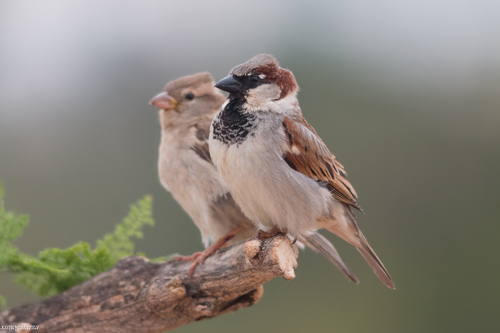
Passer domesticus
Small birds hide in dense thickets.
Las plantas caducifolias pierden periódicamente todas sus hojas, por lo general durante el otoño o las estaciones secas.
Las plantas con flores son cualquier planta que produce flores como parte de su ciclo reproductivo.
Las plantas medicinales poseen compuestos químicos que pueden utilizarse con fines terapéuticos para tratar enfermedades o mantener la salud.
Las plantas de crecimiento rápido exhiben tasas de crecimiento aceleradas, aumentando rápidamente de tamaño y biomasa en un corto período de tiempo.

Describe plantas que son particularmente atractivas y beneficiosas para una amplia variedad de organismos polinizadores.

Esta característica de hábitat indica especies que pueden coexistir con los humanos en entornos urbanos y suburbanos, utilizando estructuras artificiales y espacios verdes.

Las especies invasoras son organismos no nativos que causan daños al medio ambiente, la economía o la salud humana.
Todavía no hay alias listados.
Peligro
2/5 · Bajo
Do not touch or eat any part of the plant without asking an adult first.
200-400 cm
100-500 cm
0.1-0.3 cm
Late_summer_early_fall
Sí
Leve
Perenne
Insectos
Acércate para separar los grupos y explorar dónde se ha fotografiado este objeto.
Los snaps recientes aparecerán aquí a medida que se añadan nuevas observaciones.
.jpg)
Maryland, US
Puedes ver Ciervo De Cola Blanca, Japanese Knotweed y Mariquita Asiática.
Ver guía →

Massachusetts, US
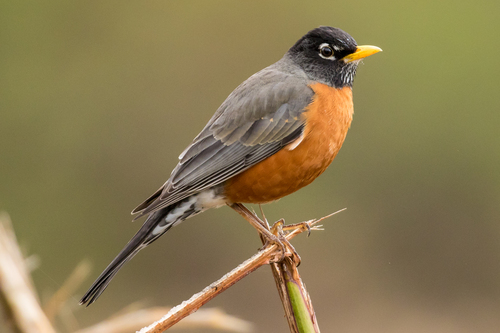
Puedes ver Pato, Petirrojo Americano y Cisne Vulgar.
Ver guía →
Massachusetts, US
Puedes ver Gorrión Común, Garlic Mustard y Pato.
Ver guía →
Virginia, US
Puedes ver Petirrojo Americano, Cardenal Norteño y Gorrión Común.
Ver guía →

Massachusetts, US
Puedes ver White Mulberry, Paloma Huilota y Eastern Black Carpenter Ant.
Ver guía →

Massachusetts, US
Puedes ver Japanese Knotweed y Common Eastern Bumble Bee.
Ver guía →