Jerusalem Artichoke
helianthus tuberosus
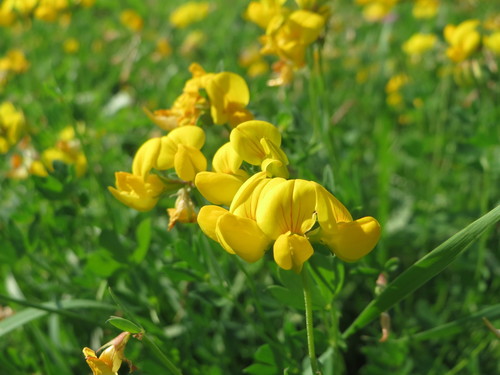
The Jerusalem artichoke is a tall plant with bright yellow flowers that look like little suns! Its underground tubers are tasty and can be eaten like potatoes.
Hábitat: They thrive in gardens, fields, and along roadsides in many parts of North America.
The Jerusalem Artichoke is a tall, sturdy plant with rough, hairy stems and leaves. It has bright yellow, daisy-like flowers that resemble small sunflowers, typically blooming atop its lofty stalks in late summer and fall. These cheerful blooms stand out against its green foliage.
Categoría
PlantasRareza
Common
Peligro
0/5 · Sin peligro conocido
Snaps
¡Sé la primera persona en hacer un snap!
Indigenous peoples of North America cultivated these plants for centuries as a vital food source.
Its crunchy tubers taste like water chestnuts with a nutty, sweet twist!
Sometimes called 'sunchokes,' these tubers can be stored for months in cool, dark places.
The special sugar in its tubers doesn't spike blood sugar like many other carbohydrates!
Jerusalem Artichoke stores energy in underground tubers, which helps it survive winter and regrow each spring.
Jerusalem Artichoke can quickly establish itself and spread aggressively via its underground rhizomes, outcompeting other plants.
Jerusalem Artichoke produces inulin, a unique sugar in its tubers that acts as a prebiotic, helping its own energy storage.
Apis mellifera
Gathers nectar and pollen

Bombus impatiens
Visits flowers for nectar
Odocoileus virginianus
Browses on foliage and tubers
Microtus pennsylvanicus
Feeds on underground tubers
Los animales sociales viven en grupos organizados, cooperando para obtener beneficios de supervivencia como la búsqueda de alimento, la defensa y la cría de descendencia.
Colorido describe a organismos u objetos que exhiben una amplia variedad de colores brillantes y distintivos.
Este rasgo caracteriza a los organismos cuya dieta consiste total o principalmente en material vegetal.
Los hábitats boscosos son entornos terrestres dominados por una densa cubierta arbórea, que sustentan una gran diversidad de vida animal y vegetal.

Describe organismos que transfieren polen, permitiendo la fertilización y reproducción de las plantas.
Peligro
0/5 · Sin peligro conocido
Todavía no hay notas especiales de seguridad.
150-300 cm
50-100 cm
5-10 cm
Late_summer, Otoño
Sí
Ninguna
Perenne
Insectos
Acércate para separar los grupos y explorar dónde se ha fotografiado este objeto.
Los snaps recientes aparecerán aquí a medida que se añadan nuevas observaciones.