
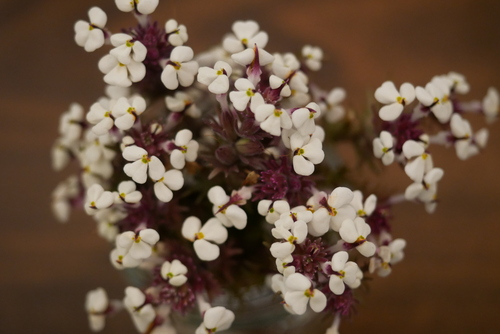


Johnnytuck
triphysaria eriantha
Johnnytuck (Triphysaria eriantha) es una encantadora flor silvestre anual nativa de los pastizales y campos abiertos de California y Oregón. Perteneciente a la familia de las orobancáceas (Orobanchaceae), esta delicada hierba es bien conocida por su fascinante estilo de vida como hemiparásita facultativa. Aunque Johnnytuck es totalmente capaz de generar su propia energía a través de la fotosíntesis, busca activamente las raíces de plantas vecinas, como pastos nativos y 'goldfields', para desviar agua adicional y nutrientes esenciales. Esta ingeniosa estrategia de supervivencia le permite prosperar en suelos pobres en nutrientes donde otras plantas podrían tener dificultades. Durante la primavera, Johnnytuck transforma los prados secos en vibrantes exhibiciones de color. Sus caprichosas flores amarillas y blancas se asemejan a pequeñas boca de dragón y son un imán para los polinizadores nativos, especialmente los abejorros. Como componente clave de los ecosistemas de pozas vernales occidentales y praderas costeras, Johnnytuck desempeña un papel ecológico vital, apoyando la biodiversidad local y contribuyendo a la compleja red de interacciones planta-planta que definen sus hábitats nativos.
Hábitat: Se encuentra en pastizales abiertos, pozas vernales, chaparral y matorral costero en California y el sur de Oregón.
Esta flor silvestre herbácea de crecimiento bajo típicamente alcanza alturas de 10 a 35 centímetros. Presenta tallos delgados de color verde púrpura oscuro cubiertos de finos pelos lanudos. Las hojas están profundamente divididas en lóbulos estrechos y filiformes. La característica más prominente es su llamativa inflorescencia: espigas terminales de flores en forma de bolsa con un prominente labio inferior trilobulado. Estas flores exhiben una hermosa combinación de amarillo mantequilla brillante y blanco cremoso, pareciendo pequeños bolsillos o vejigas infladas. Brácteas delgadas y purpúreas a menudo enmarcan las flores, añadiendo a su apariencia colorida y delicada.
Categoría
PlantasRareza
Común
Peligro
1/5 · Muy bajo
Snaps
¡Sé la primera persona en hacer un snap!
Debido a que son hemiparásitas, las Johnnytucks pueden suprimir las especies de pasto dominantes en los prados nativos, permitiendo que otras flores silvestres delicadas prosperen.
Debido a sus patrones amarillos y blancos, estas plantas también son conocidas por el nombre común de 'mantequilla y huevos'.
El nombre del género Triphysaria se traduce como 'tres vejigas', lo que describe perfectamente los labios inferiores inflados y en forma de bolsa de sus flores.
Genera energía química mediante la fotosíntesis mientras simultáneamente roba agua y minerales vitales de las raíces de plantas hospederas cercanas.
Lasthenia californica
Johnnytuck actúa como parásito radicular de las 'California Goldfields', absorbiendo agua y nutrientes directamente de su sistema radicular.
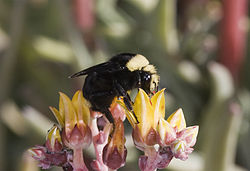
Bombus vosnesenskii
El Abejorro de Cara Amarilla visita las flores de Johnnytuck en busca de néctar y polen, actuando como su polinizador principal.
Aún no hay insignias de rasgos asignadas a este objeto.
Todavía no hay alias listados.
Las colecciones para este objeto aparecerán aquí a medida que se añadan más temas.
Peligro
1/5 · Muy bajo
Todavía no hay notas especiales de seguridad.
Empieza por la planta entera y luego compara la disposición de las hojas, sus bordes, los tallos y las flores o frutos, si los hay. Las hojas opuestas crecen en parejas; las alternas salen de una en una a lo largo del tallo. Juntos, estos detalles dicen mucho más que una sola hoja verde. Identificador de plantas: sube una foto y compara los detalles visibles.
10-35 cm
hasta 1 años
Genera energía química mediante la fotosíntesis mientras simultáneamente roba agua y minerales vitales de las raíces de plantas hospederas cercanas.
Se encuentra en pastizales abiertos, pozas vernales, chaparral y matorral costero en California y el sur de Oregón.
Parasitismo
Acércate para separar los grupos y explorar dónde se ha fotografiado este objeto.
Los snaps recientes aparecerán aquí a medida que se añadan nuevas observaciones.
Llévate el descubrimiento
Haz una foto con Snappit, identifica la especie y guarda el hallazgo en tu colección.


















