Juniper Hairstreak
Callophrys gryneus
The Juniper Hairstreak is a small, colorful butterfly with beautiful green and brown wings. They love to flutter around juniper trees and are often seen in sunny spots.
Hábitat: Forests
The Juniper Hairstreak has brilliant iridescent green undersides on its wings, often adorned with a white dash, contrasting with drabber brown or orange uppersides. It features delicate, hair-like tails on its hindwings, which are distinctive.
Categoría
InsectosRareza
Common
Peligro
1/5 · Muy bajo
Snaps
¡Sé la primera persona en hacer un snap!
Despite their small size, they can fly very fast in short, darting bursts!
Juniper Hairstreaks taste nectar with their feet before sipping with a long straw-like tongue!
Some populations in the south can have several generations in a single year!
The caterpillars munch only on juniper needles, making them super picky eaters!
Juniper Hairstreak has vibrant green wings that help them blend perfectly with juniper needles, making them nearly invisible to predators.
Juniper Hairstreak has twitching tails and eyespots on its hindwings, tricking predators into attacking the wrong end.
Adults sip flower nectar; caterpillars feast exclusively on juniper leaves.
Diferencias por edad: Larvae eat juniper needles, while adults drink nectar from various flowers.

Juniperus virginiana
Caterpillars exclusively feed on its needles.
Sialia sialis
Brightly colored birds may prey on adults.
Solidago canadensis
Adults visit its flowers for nectar.
Los animales solitarios viven solos durante la mayor parte de su vida y solo interactúan con otros para aparearse o cuidar de sus crías.
El camuflaje describe a los organismos que poseen colores o patrones que les permiten mezclarse con su entorno.
Colorido describe a organismos u objetos que exhiben una amplia variedad de colores brillantes y distintivos.
Este rasgo caracteriza a los organismos cuya dieta consiste total o principalmente en material vegetal.

Describe plantas que son particularmente atractivas y beneficiosas para una amplia variedad de organismos polinizadores.

Los hábitats boscosos son entornos terrestres dominados por una densa cubierta arbórea, que sustentan una gran diversidad de vida animal y vegetal.

Los animales diurnos están activos principalmente durante el día y suelen descansar o dormir por la noche.

Describe organismos que transfieren polen, permitiendo la fertilización y reproducción de las plantas.
Todavía no hay alias listados.
Peligro
1/5 · Muy bajo
Butterflies are friendly and safe to watch, but don't try to catch them.
20-30 mm
15-25 mm
14-28 días
8 km/h
Adults sip flower nectar; caterpillars feast exclusively on juniper leaves.
Forests
Foraging
6
Acércate para separar los grupos y explorar dónde se ha fotografiado este objeto.
Los snaps recientes aparecerán aquí a medida que se añadan nuevas observaciones.

British Columbia, CA
Puedes ver Common Bracken, Vanilla Leaf y Western Sword Fern.
Ver guía →
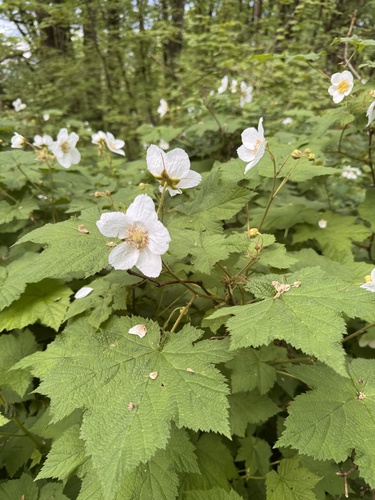
British Columbia, CA
Puedes ver Thimbleberry, Western Redcedar y Red Osier Dogwood.
Ver guía →

Montana, US
Puedes ver Borrego Cimarrón y Curlleaf Mountain Mahogany.
Ver guía →

British Columbia, CA
Puedes ver Green Comma, Mariposa Capa De Luto y Hoary Comma.
Ver guía →




_dragonfly%2C_female_(5070363690).jpg&width=800)


_-_(imago)%2C_Cape_Cod_(MA)%2C_United_States.jpg&width=800)