





Kittacincla malabarica
Kittacincla malabarica
El Mirlo Silbador de Malabar es un ave hermosa conocida por su dulce canto. Tiene plumas brillantes de color negro azulado y le encanta vivir en los bosques, donde puede entonar sus dulces canciones.
Hábitat: Bosques
La Kittacincla malabarica es un tordo de tamaño mediano con un plumaje brillante de color negro azulado, a menudo con un vibrante parche azul en sus hombros y frente. Su pico amarillo brillante y sus patas de color púrpura rosado proporcionan un contraste llamativo contra sus plumas oscuras, lo que la hace distinta entre las aves del bosque.
Categoría
AvesRareza
Common
Peligro
1/5 · Muy bajo
Snaps
¡Sé la primera persona en hacer un snap!
Su nombre científico, 'Kittacincla', significa 'pájaro silbador', ¡una descripción perfecta de su famosa canción!
¡A estas aves les encanta el agua fría y a menudo se les ve bañándose y salpicando en arroyos de montaña!
¡Las impresionantes plumas negro azuladas de esta ave casi desaparecen en las profundas sombras de su hogar en el bosque!
¡Es mucho más probable que *oigas* la hermosa música de esta ave tímida que que realmente la *veas*!
Esta ave disfruta de una dieta variada de insectos, gusanos y bayas jugosas que encuentra cerca del agua.
Pheretima posthuma
Una fuente de alimento principal para aves que forrajean.
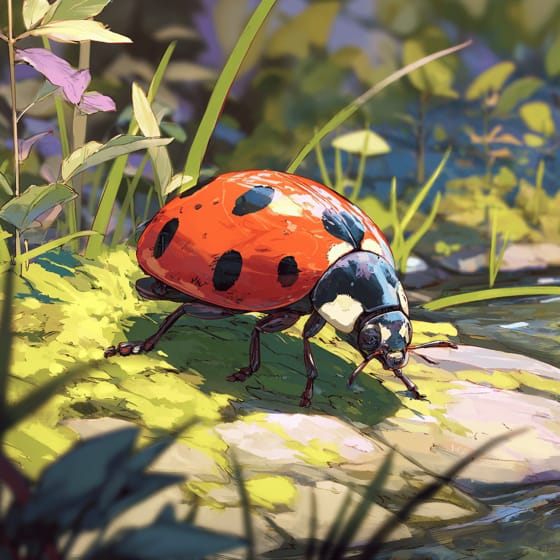
Coccinella septempunctata
Se cazan varios insectos.
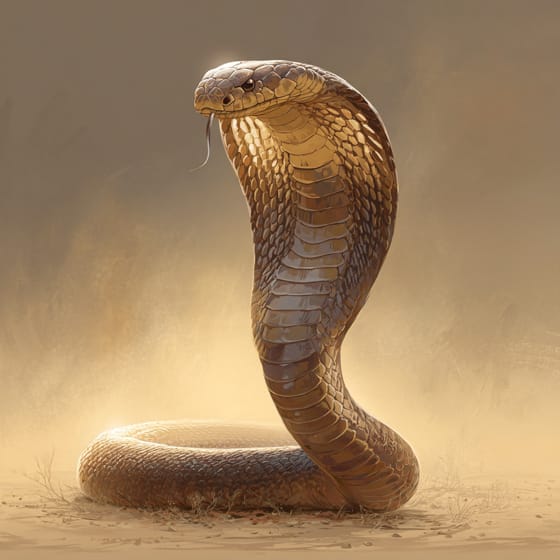
Naja naja
Depreda huevos y polluelos en nidos en el suelo.
Accipiter trivirgatus
Depreda aves adultas.
Describe a los animales, principalmente aves, que poseen una cubierta de plumas.
Los animales sociales viven en grupos organizados, cooperando para obtener beneficios de supervivencia como la búsqueda de alimento, la defensa y la cría de descendencia.
Los animales cantores producen vocalizaciones complejas, a menudo con el propósito de atraer parejas, defender el territorio o comunicarse dentro de su especie.
Este rasgo identifica a los organismos cuya dieta consiste principalmente en insectos y otros pequeños invertebrados.

Los hábitats boscosos son entornos terrestres dominados por una densa cubierta arbórea, que sustentan una gran diversidad de vida animal y vegetal.

Los animales migratorios emprenden movimientos estacionales de una región a otra, típicamente en respuesta a cambios en el clima o la disponibilidad de alimentos.
Peligro
1/5 · Muy bajo
Disfruta observando a las aves desde la distancia y mantente en silencio para no asustarlas.
La forma más fácil de identificar a Kittacincla malabarica es usar la aplicación de identificación de naturaleza Snappit.
23-28 cm
38-45 cm
0.08-0.12 kg
5-10 años
Esta ave disfruta de una dieta variada de insectos, gusanos y bayas jugosas que encuentra cerca del agua.
Bosques
Forrajeo
Acércate para separar los grupos y explorar dónde se ha fotografiado este objeto.
Los snaps recientes aparecerán aquí a medida que se añadan nuevas observaciones.
Llévate el descubrimiento
Haz una foto con Snappit, identifica la especie y guarda el hallazgo en tu colección.




.jpg&width=800)








