knotweeds, smartweeds, and waterpeppers
Persicaria
Knotweeds, smartweeds, and waterpeppers are fun plants that often grow near water. They have pretty green leaves and can sometimes have small flowers. These plants are great for exploring nature!
Hábitat: Wetlands
The knotweeds, smartweeds, and waterpeppers has slender stems with alternating lance-shaped leaves, often featuring a distinct dark blotch. Their tiny pink, white, or greenish flowers cluster tightly in upright or drooping spikes, sometimes resembling a bottle brush.
Categoría
PlantasRareza
Common
Peligro
1/5 · Muy bajo
Snaps
¡Sé la primera persona en hacer un snap!
Many species have a cool dark V-shaped spot, like a thumbprint, on their leaves!
Some waterpeppers taste so fiery that they're used as a seasoning in food!
Their tiny seeds can lie dormant underground for more than 50 years before sprouting!
They're a favorite snack for ducks and other water birds, who gobble up their seeds!
Knotweeds, smartweeds, and waterpeppers can regrow vigorously from root fragments, helping it survive harsh conditions and spread quickly.
Knotweeds, smartweeds, and waterpeppers has leaves that produce a spicy, peppery taste, which helps deter hungry herbivores from eating them.
Knotweeds, smartweeds, and waterpeppers can produce seeds that remain viable in soil for many years, helping them sprout after disturbances.

Bombus impatiens
pollinates many Persicaria species flowers, helping with reproduction.
Anas platyrhynchos
eaten by mallard ducks who consume their abundant seeds.
Rhopalosiphum nymphaeae
eats sap from their stems and leaves, sometimes forming colonies.
Homo sapiens
eats the spicy leaves of some species as a garnish or vegetable.
Las plantas con flores son cualquier planta que produce flores como parte de su ciclo reproductivo.
Las plantas comestibles son aquellas partes de una planta que se consideran seguras para el consumo humano.
Las plantas de crecimiento rápido exhiben tasas de crecimiento aceleradas, aumentando rápidamente de tamaño y biomasa en un corto período de tiempo.
Describe plantas que son particularmente atractivas y beneficiosas para una amplia variedad de organismos polinizadores.

Este rasgo de uso humano indica especies de las cuales se derivan especias, utilizadas para dar sabor, conservar alimentos o como agentes aromáticos.

Este rasgo de hábitat identifica especies que se encuentran en humedales, que son áreas de tierra saturadas de agua, ya sea permanente o estacionalmente, e incluyen marismas, pantanos y ciénagas.

Los hábitats de agua dulce incluyen entornos acuáticos no salinos como ríos, lagos, estanques y humedales, vitales para numerosas especies.

Describe organismos que transfieren polen, permitiendo la fertilización y reproducción de las plantas.
Peligro
1/5 · Muy bajo
Always look but don't touch without asking an adult, as some plants can be tricky.
10-200 cm
15-100 cm
0.2-0.5 cm
Verano a otoño
Sí
Leve
Anual
Insectos
Acércate para separar los grupos y explorar dónde se ha fotografiado este objeto.
Los snaps recientes aparecerán aquí a medida que se añadan nuevas observaciones.
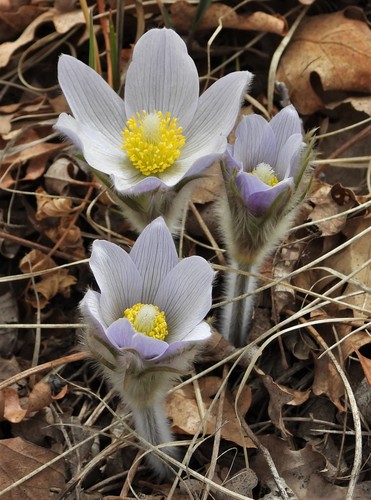
South Dakota, US
Puedes ver Prairie Pasqueflower, Common Buckthorn y Tatarian Honeysuckle.
Ver guía →
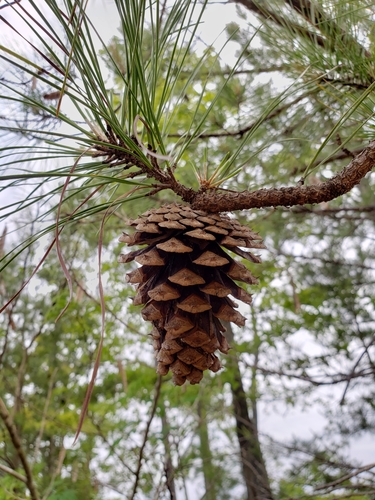
Virginia, US
Puedes ver Loblolly Pine, Fox Grape y Sensitive Fern.
Ver guía →
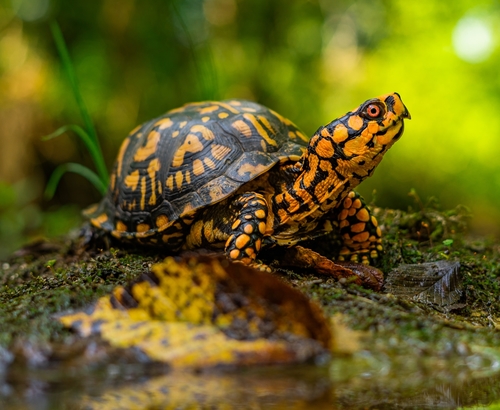
Virginia, US
Puedes ver Tortuga De Caja Oriental, True Sedges y True Lilies.
Ver guía →




_Sonchus_asper_-_Plant_habit.jpg&width=800)