


Koa
acacia koa
La Koa (Acacia koa) es un magnífico árbol de dosel de rápido crecimiento endémico de las Islas Hawaianas, representando una de las plantas más significativas cultural y ecológicamente del archipiélago. Reconocida por su hermosa madera, muy veteada, que va desde un oro intenso hasta un marrón chocolate oscuro, la Koa fue utilizada históricamente por los nativos hawaianos para construir canoas de viaje oceánicas, tablas de surf y armas. Hoy en día, sigue siendo muy apreciada por los ebanistas de todo el mundo. Como especie clave de los bosques húmedos y mesófilos de Hawái, el árbol Koa proporciona un hábitat crucial para una vasta variedad de aves, insectos y plantas del sotobosque endémicos. Desempeña un papel esencial en la hidrología forestal y la fijación de nitrógeno, nutriendo los delicados suelos volcánicos de su hogar insular.
Hábitat: Se encuentra en bosques montanos húmedos a mesófilos a lo largo de las principales islas hawaianas, típicamente en elevaciones entre 300 y 2,000 metros.
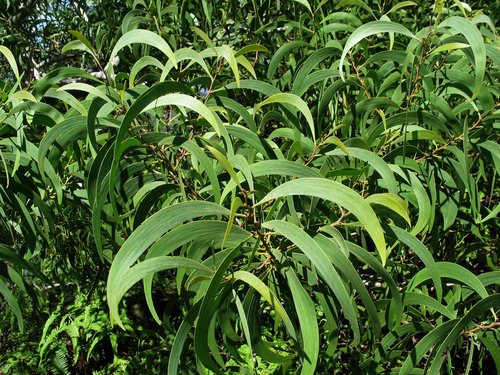
Los árboles Koa son grandes árboles de dosel ancho que pueden alcanzar alturas de hasta 30 metros. Se reconocen fácilmente por sus distintivas "hojas" en forma de media luna, que en realidad son tallos foliares modificados llamados filodios. Las verdaderas hojas bipinnadas compuestas solo están presentes en plántulas jóvenes o en ramas inferiores sombreadas. La corteza es de color gris claro, áspera y profundamente fisurada en ejemplares más viejos. Durante la temporada de floración, el árbol produce cabezas de flores esféricas de color amarillo pálido que se asemejan a pequeños pompones, seguidas de cápsulas de semillas planas y marrones que miden de 7 a 15 centímetros de largo.
Categoría
PlantasRareza
Común
Peligro
1/5 · Muy bajo
Snaps
¡Sé la primera persona en hacer un snap!
Los árboles Koa adultos no tienen hojas verdaderas; en su lugar, realizan la fotosíntesis utilizando tallos foliares aplanados en forma de media luna llamados filodios.
La Koa es el segundo árbol más común en los bosques de Hawái, solo superado por el Ohia Lehua.
La palabra 'Koa' significa 'valiente, audaz, intrépido o guerrero' en el idioma hawaiano, lo que refleja la fuerza y resiliencia de su madera.
Como planta fotoautótrofa, la Koa genera su propia energía a través de la fotosíntesis, utilizando luz solar, dióxido de carbono, agua y nutrientes del suelo.
Aún no hay insignias de rasgos asignadas a este objeto.
Todavía no hay alias listados.
Las colecciones para este objeto aparecerán aquí a medida que se añadan más temas.
Peligro
1/5 · Muy bajo
Todavía no hay notas especiales de seguridad.
Empieza por la planta entera y luego compara la disposición de las hojas, sus bordes, los tallos y las flores o frutos, si los hay. Las hojas opuestas crecen en parejas; las alternas salen de una en una a lo largo del tallo. Juntos, estos detalles dicen mucho más que una sola hoja verde. Identificador de plantas: sube una foto y compara los detalles visibles.
1500-3000 cm
50-150 años
Como planta fotoautótrofa, la Koa genera su propia energía a través de la fotosíntesis, utilizando luz solar, dióxido de carbono, agua y nutrientes del suelo.
Se encuentra en bosques montanos húmedos a mesófilos a lo largo de las principales islas hawaianas, típicamente en elevaciones entre 300 y 2,000 metros.
Acércate para separar los grupos y explorar dónde se ha fotografiado este objeto.
Los snaps recientes aparecerán aquí a medida que se añadan nuevas observaciones.
Llévate el descubrimiento
Haz una foto con Snappit, identifica la especie y guarda el hallazgo en tu colección.

















