





Kusimanses
Crossarchus
Los kusimanses son mamíferos pequeños y juguetones a los que les encanta cavar y explorar. Tienen cuerpos largos y patas cortas, lo que los hace excelentes para excavar en el suelo.
Hábitat: Pastizales
El kusimanse es un mamífero pequeño y robusto con un hocico largo y puntiagudo y patas cortas. Su pelaje hirsuto suele ser de color marrón rojizo oscuro a negro, a menudo dándole un aspecto entrecano. Tienen orejas pequeñas y redondeadas y garras afiladas.
Categoría
MamíferosRareza
Common
Peligro
2/5 · Bajo
Snaps
¡Sé la primera persona en hacer un snap!
Las crías de kusimanse nacen indefensas con los ojos cerrados, dependiendo de todo el grupo.
Los kusimanses se comunican con una amplia gama de sonidos, ¡incluyendo ronroneos, gruñidos y gorjeos!
¡Estos astutos animales a veces usan piedras para abrir huevos de cáscara dura!
Son parte de la familia de las mangostas y viven en grupos familiares grandes y juguetones.
Los kusimanses pueden olfatear pequeños insectos y larvas escondidos bajo tierra, ayudándolos a encontrar comida incluso en el follaje denso.
Los kusimanses cazan juntos en grupos, lo que les permite dominar presas más grandes que uno solo no podría atrapar.
Los kusimanses tienen garras fuertes y no retráctiles que les ayudan a cavar rápidamente para desenterrar alimentos enterrados y crear refugios.
¡A estos ocupados omnívoros les encanta comer insectos, animales pequeños, frutas e incluso hongos que desentierran!
Naja melanoleuca
Un depredador conocido de los kusimanses en su hábitat.
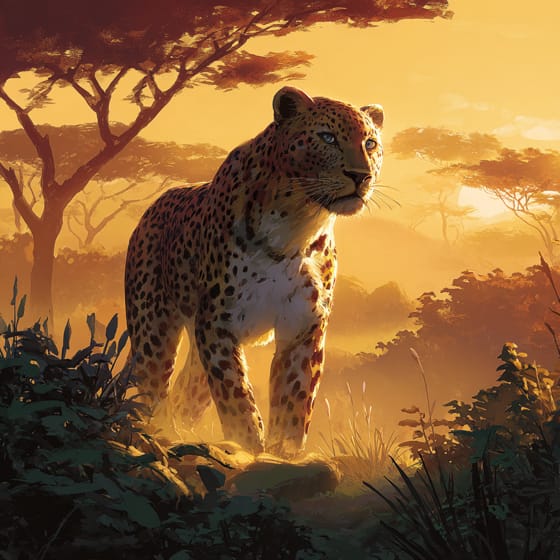
Panthera pardus
Los grandes carnívoros a veces depredan a kusimanses más pequeños.
%2C_at_Ndumo_Nature_Reserve%2C_KwaZulu-Natal%2C_South_Africa_(28947411865).jpg&width=800)
Stephanoaetus coronatus
Las aves rapaces son depredadores importantes.
Mastomys natalensis
Los kusimanses cazan activamente roedores pequeños para alimentarse.
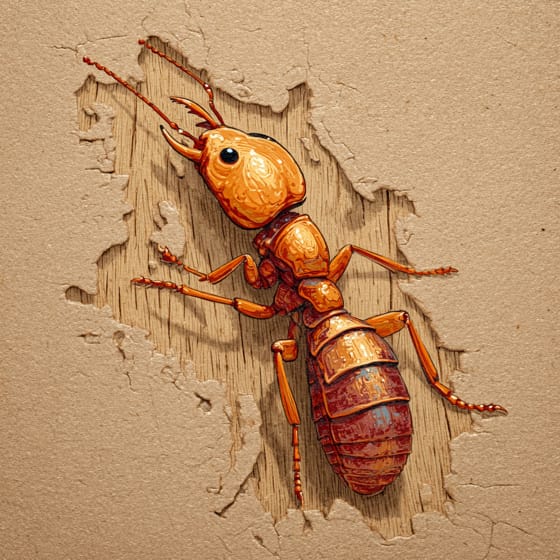
Macrotermes bellicosus
Una fuente de alimento principal, desenterrada de los nidos.
Peludo describe a los animales que poseen una cubierta densa de pelo o pelaje suave.
Los animales sociales viven en grupos organizados, cooperando para obtener beneficios de supervivencia como la búsqueda de alimento, la defensa y la cría de descendencia.
Los animales excavadores cavan túneles y cámaras en el suelo y utilizan estas estructuras subterráneas para refugiarse, cazar o reproducirse.
Este rasgo identifica a los organismos cuya dieta consiste principalmente en insectos y otros pequeños invertebrados.

Los hábitats de pastizales son biomas terrestres dominados por pastos y plantas herbáceas, que sustentan a una variedad de animales de pastoreo.

Este rasgo identifica a los organismos que exhiben una rapidez excepcional en sus movimientos para cazar, escapar o desplazarse.
Todavía no hay alias listados.
Peligro
2/5 · Bajo
Los kusimanses son animales salvajes, así que es mejor observarlos a distancia.
La forma más fácil de identificar a Kusimanses es usar la aplicación de identificación de naturaleza Snappit.
30-47 cm
0.8-1.4 kg
6-12 años
25 km/h
¡A estos ocupados omnívoros les encanta comer insectos, animales pequeños, frutas e incluso hongos que desentierran!
Pastizales
Forrajeo
Acércate para separar los grupos y explorar dónde se ha fotografiado este objeto.
Los snaps recientes aparecerán aquí a medida que se añadan nuevas observaciones.
Llévate el descubrimiento
Haz una foto con Snappit, identifica la especie y guarda el hallazgo en tu colección.




.jpg&width=800)



.JPG&width=800)

.jpg&width=800)
