_-_Flickr_-_2ndPeter_(2).jpg&width=800)





Lampropeltis Triangulum Amaura
lampropeltis triangulum amaura
La Lampropeltis Triangulum Amaura, también conocida como culebra de leche, es una serpiente colorida y dócil. ¡Le encanta deslizarse por su hábitat y a menudo se la puede encontrar tomando el sol!
Hábitat: Viven en una variedad de entornos que incluyen bosques, pastizales y áreas rocosas.
La Lampropeltis Triangulum Amaura tiene un patrón llamativo de anchas bandas rojas bordeadas de negro, alternando con bandas amarillas o crema más delgadas. Esta colorida serpiente no venenosa imita visualmente a la peligrosa serpiente coral, sirviendo como un astuto mecanismo de defensa.
Categoría
ReptilesRareza
Common
Peligro
1/5 · Muy bajo
Snaps
¡Sé la primera persona en hacer un snap!
Las culebras de leche bebés nacen listas para cazar por sí mismas desde el primer día.
¡A pesar de su nombre, la culebra de leche no bebe leche de vaca!
¡Algunas culebras de leche incluso comen otras serpientes, incluidas las venenosas!
Ponen sus huevos en lugares escondidos, como debajo de troncos o en madera podrida.
La Lampropeltis Triangulum Amaura puede apretar fuertemente a su presa porque su cuerpo fuerte le ayuda a dominar a pequeños animales.
La Lampropeltis Triangulum Amaura tiene una naturaleza sigilosa que les ayuda a esconderse de los depredadores y emboscar a presas desprevenidas.
Este carnívoro caza animales pequeños como roedores, aves, lagartos e incluso otras serpientes.
Diferencias por edad: Las serpientes jóvenes a menudo comienzan con insectos y lagartos pequeños, pasando gradualmente a presas más grandes a medida que crecen.

Peromyscus leucopus
Una presa común en su hábitat forestal.
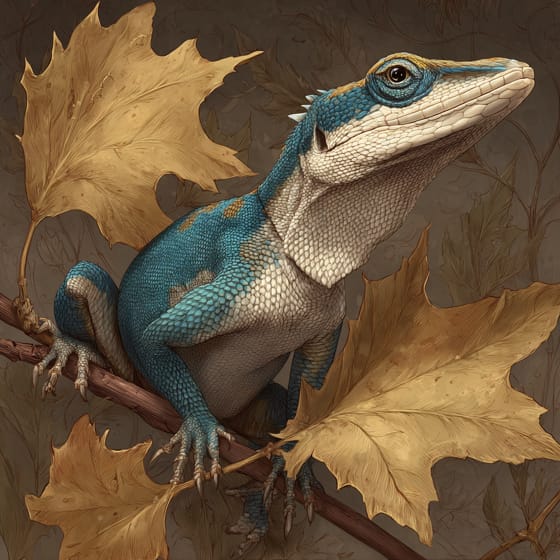
Anolis carolinensis
Depreda con frecuencia a estos lagartos comunes.
Buteo jamaicensis
Un depredador aviar principal de estas serpientes.

Procyon lotor
Depreda oportunamente serpientes y sus huevos.
Los animales solitarios viven solos durante la mayor parte de su vida y solo interactúan con otros para aparearse o cuidar de sus crías.
Colorido describe a organismos u objetos que exhiben una amplia variedad de colores brillantes y distintivos.
Este rasgo identifica a los organismos cuya dieta consiste total o principalmente en tejido animal.
Los animales nocturnos están principalmente activos durante la noche, y suelen descansar o dormir durante el día.
Todavía no hay alias listados.
Peligro
1/5 · Muy bajo
Observe siempre las serpientes desde una distancia segura.
La forma más fácil de identificar a Lampropeltis Triangulum Amaura es usar la aplicación de identificación de naturaleza Snappit.
60-150 cm
0.1-0.5 kg
10-15 años
4 km/h
Este carnívoro caza animales pequeños como roedores, aves, lagartos e incluso otras serpientes.
Viven en una variedad de entornos que incluyen bosques, pastizales y áreas rocosas.
Emboscada
Acércate para separar los grupos y explorar dónde se ha fotografiado este objeto.
Los snaps recientes aparecerán aquí a medida que se añadan nuevas observaciones.
Llévate el descubrimiento
Haz una foto con Snappit, identifica la especie y guarda el hallazgo en tu colección.















