.jpg&width=800)





Lantana
Lantana
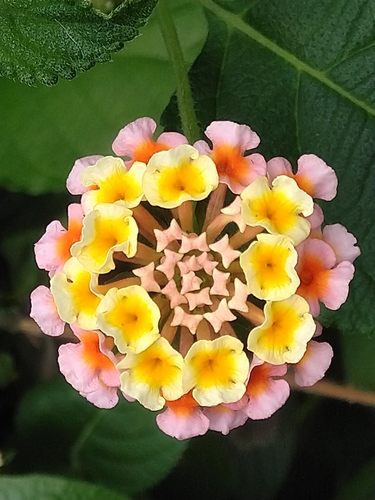
Las lantanas son flores coloridas que atraen a mariposas y abejas con su dulce néctar. Florecen en vibrantes tonos de rosa, naranja, amarillo y morado, alegrando jardines y prados.
Hábitat: Jardines, Prados
La lantana tiene hojas ásperas de color verde oscuro y pequeñas flores vibrantes que crecen en densos racimos redondos. Estos racimos a menudo muestran múltiples colores, como amarillo, naranja, rojo y rosa, creando un efecto deslumbrante y multicolor a medida que maduran.
Categoría
PlantasRareza
Common
Peligro
1/5 · Muy bajo
Snaps
5
¿Sabías que las bayas parecen deliciosos dulces, pero en realidad son venenosas?
¡En algunos países cálidos, la lantana crece tan rápido que puede cubrir enormes áreas!
¡Frotar las hojas de lantana puede liberar un aroma fuerte, único y a veces picante!
Algunas especies de lantana fueron utilizadas tradicionalmente por la gente como remedios herbales hace mucho tiempo.
Las flores fragantes emiten un aroma agradable, a menudo para atraer polinizadores o como defensa.
Las plantas siempre en flor producen flores de forma continua o en repetidas floraciones durante un largo período.
Las plantas tolerantes a la sequía pueden sobrevivir y florecer en condiciones de escasa disponibilidad de agua.
Describe organismos que transfieren polen, permitiendo la fertilización y reproducción de las plantas.
Peligro
1/5 · Muy bajo
Disfruta de la belleza de las lantanas desde una distancia segura y evita tocarlas sin la supervisión de un adulto.
La forma más fácil de identificar a Lantana es usar la aplicación de identificación de naturaleza Snappit.
30-180 cm
30-200 cm
0.5-1 cm
Year-round in tropical climates; spring to fall in temperate zones
No
Moderada
Perenne
Acércate para separar los grupos y explorar dónde se ha fotografiado este objeto.

Florida, US
Puedes ver Agama De Roca De Peters, Anolis Castaño y Caimán Americano.
Ver guía →

Texas, US
Puedes ver Delfín Nariz De Botella, Tortuga Marina y Tortuga Lora.
Ver guía →

Alabama, US
Puedes ver Polilla De Tussock Bandeada y Ojo Perla Del Sur.
Ver guía →

Florida, US
Puedes ver Manatí Antillano, Tortuga De Río y Araña De Seda Dorada.
Ver guía →

Texas, US
Puedes ver Gecko Casero Del Mediterráneo y Sapo De La Costa Del Golfo.
Ver guía →
Florida, US
Puedes ver Lantanas, Ombligos De Venus Acuáticos y Verdolaga Común.
Ver guía →
Llévate el descubrimiento
Haz una foto con Snappit, identifica la especie y guarda el hallazgo en tu colección.









.jpg&width=800)


_001.jpg&width=800)




